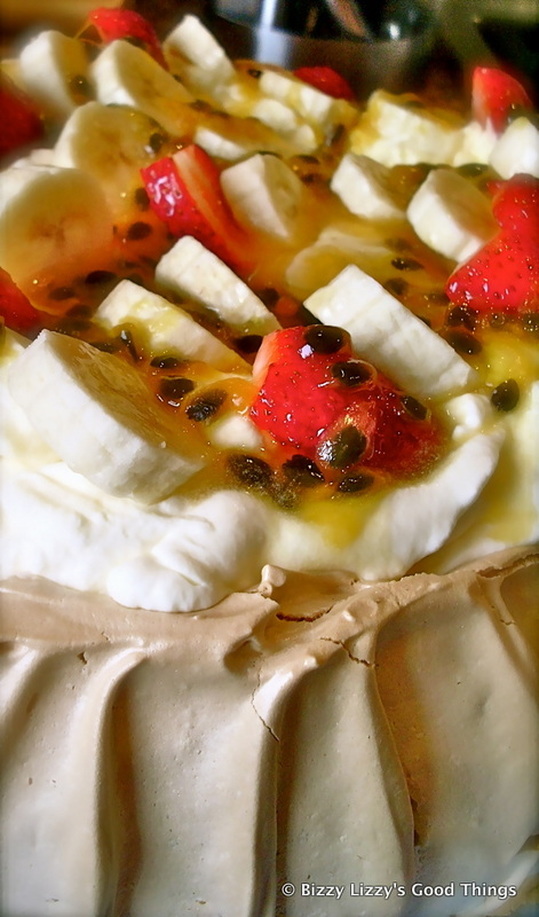
 According to the Aussie Slang Translator from A to Zed, Pavlova (or 'Pav' as it's sometimes less graciously known), is 'a traditional Australian dessert with cream and a fruit-filled meringue case ... named after the Russian ballerina, Anna Pavlova'. To my mind, Pavlova is so much more, in that it is a versatile dessert that fits perfectly with every event from the backyard barbie (a.k.a. BBQ, as in "I'll have a piece of the pav, ta!') to the decadent and elegant afternoon tea buffet at the Hyatt Hotel in Canberra. La de dah! Indeed, pavlova is a special occasion food and has been since its origins at the flash Hotel Esplanade in Perth, where in 1934, under the guidance of hotel licensee, Mrs Elizabeth Paxton, chef, Bert Sachse, created the special meringue cake for the afternoon teas attended by the wives of Perth's wealthy gentlemen. According to Michael Symons in his briliant history of eating in Australia, One Continuous Picnic, 'Sachse set about to create something that would have a crunchy top and would cut like marshmallow. He lit on the secret of adding cornflour and vinegar to the [six] whipped egg whites... and the pavlova was [later] named when someone remarked that is was 'As light as Pavlova'. But wait, there's another part to the story of the Pavlova's origin, according to Symons. The culinary sleuth did some serious investigating with the assistance of librarians of the National Library of New Zealand, who 'kindly consulted their collection of cookery books'. Symons says the librarians discovered a recipe for 'Pavlova Cakes' in Mrs McKay's Practical Home Cookery, Chats and Recipes, published in 1929! Symons goes onto explain that 'the ingredients [including three whipped egg whites] were roughly those of a pavlova, but it was not the pavlova as we know it, because the mixture was baked into three dozen little meringues. It seems a coincidence that the New Zealand cook was impressed by the ballerina's lightness and whiteness. Delving further into food history, Symons found that in a collection of recipes by the ladies of the Terrace Congregational Chuch Terrace Tested Recipes (1927 edition), 'there was a recipe submitted by a Mrs McRae for Meringue Cake'. It was baked in two halves and filled with whipped cream and cherries or strawberries. Symons concludes that he 'thinks it is fair to say that the Meringue Cake was common in New Zealand in the early 1930s, its form varied, but it was to all intents and purposes what we [Aussies] know as a Pavlova, sometimes even complete with passionfruit on top'. And he closes his argument with 'We can concede that New Zealanders discovered the secret delights of the large meringue with the marshmallow centre ... but it seems reasonable to assume that someone in Perth attached the name of the ballerina'. There you have it. This recipe for Pavlova with Brown Sugar and Strawberries is from Bill's Basics by the very talented, Bill Granger, and is one of my favourites. The recipe appears below and the comments in parentheses are mine. Note, I have successfully made this pavlova using eight eggs instead of six on several occasions. This results in a whopper, party stopper pav! Enjoy. PAVLOVA WITH BROWN SUGAR AND STRAWBERRIES 6 egg whites 1/4 teaspoon cream of tartar 1 teaspoon vanilla extract 225g (1 cup) caster sugar 80g (1/3 cup) soft brown sugar 1 tablespoon cornflour (use maize cornflour) 2 tablespoons arrowroot 2 teaspoons white vinegar To serve (note this is optional) 300ml (1 1/4 cups) cream 150g Greek yoghurt 500g strawberries, hulled and halved 1-2 tablespoons honey Preheat the oven to 200 degrees C. Draw a 20cm circle on a sheet of baking paper and place the paper on a large baking tray (or sheet). Beat the egg whites with the cream of tartar and vanilla until stiff peaks form. Add the caster sugar and brown sugar, one tablespoon at a time, beating until all the sugar is incorporated and dissolved, and the mixture is thick and glossy. Stir in the cornflour, arrowroot and vinegar. Pile the mixture into the circle on the baking paper and spread gently into shape with a spatula (I use my treasured vintage spatula, which belonged to my brother, see pic). (Note: a hint from the Australian Women's Weekly is to use a butter knife or thin bladed spatula and make furrows in the edge of the pavlova. Apparently this strengthens the walls of the pavlova, see pic). Put into the oven and reduce the heat immediately to 130 degrees C. Bake for 80 minutes (I check periodically and lower the temp if needed), then turn off the oven, prop the door ajar and leave the pavlova inside until completely cooled. (Bill's recommendation to serve, lightly whip the cream and yoghurt together and spread over the pavlova. Toss the strawberries in the honey and arrange over the top. Serve immediately). Serves 8-10. Recipe from Bills Basics by Bill Granger (HarperCollins). The verdict: I've been making pavlova for more than 30 years and have tried a few variations on the recipe. I think Bill's is one of my favourites. The brown sugar and also 200 degree C oven temperature ever-so-briefly at the start of the cooking process results in a beautiful caramel crust, with a deep marshmallow heart that is just divine! My recommendation to serve: with its gooey centre, you can go without the cream topping on this pavlova if you desire and simply serve it topped with loads of your favourite fruit. Mango slices; berries (gorgeous for a festive Pavlova); or the classic banana and passionfruit, a great way to celebrate the return of the Aussie banana! 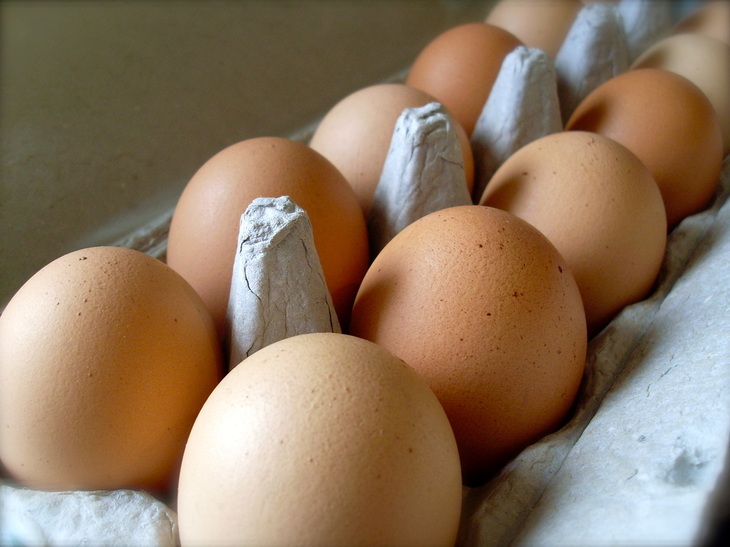 To begin, eggs should be at room temperature, the colder the egg whites, the longer it will take to whip them to a stable foam. 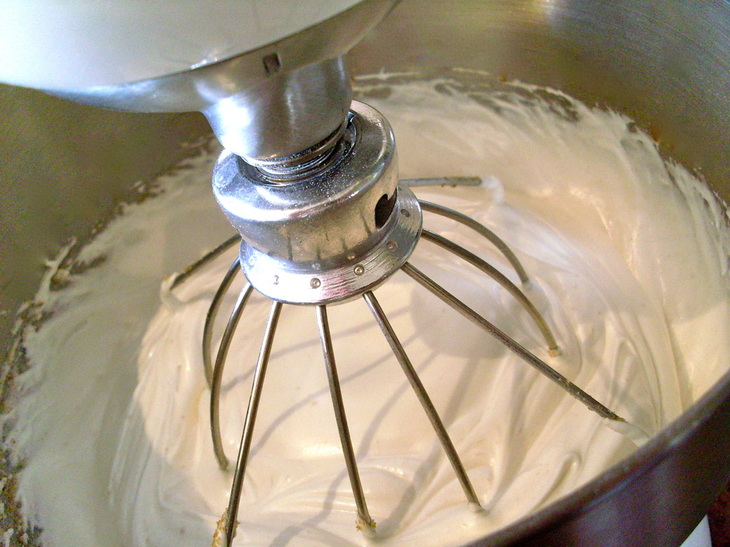 Whisk the egg whites until stiff peaks form. 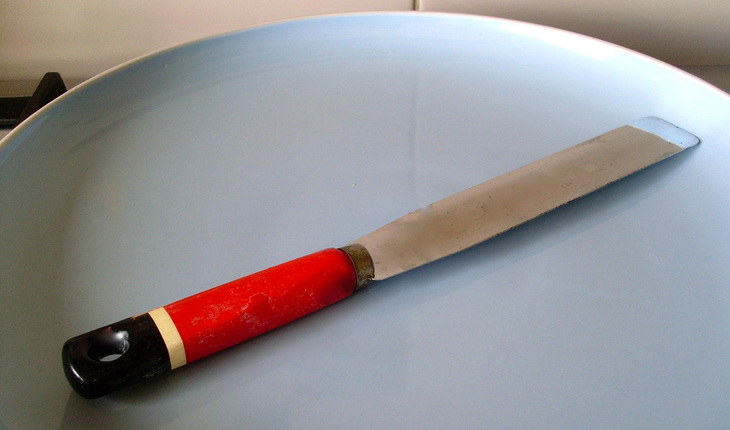 Use a metal spatula to spread the pavlova into shape. This one is treasured, it belonged to my brother. 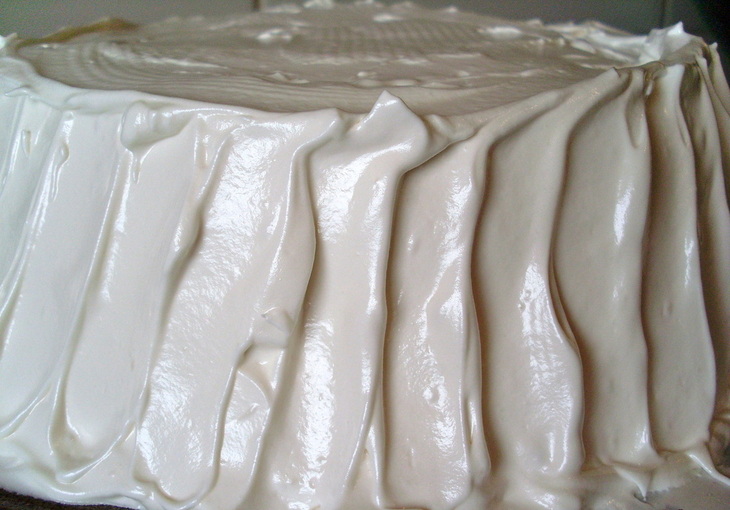 Use a flat butter knife or thin spatula to create furrows in the sides of the pavlova to strengthen its walls. 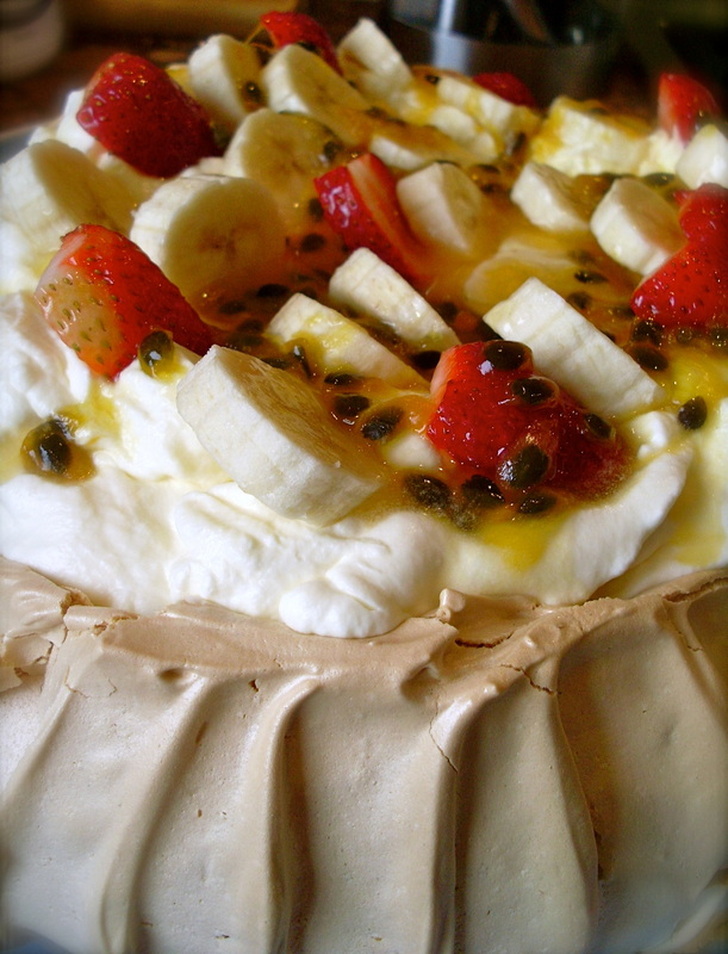 On this occasion, I chose to celebrate with Aussie bananas, strawberry and passionfruit. Yum! 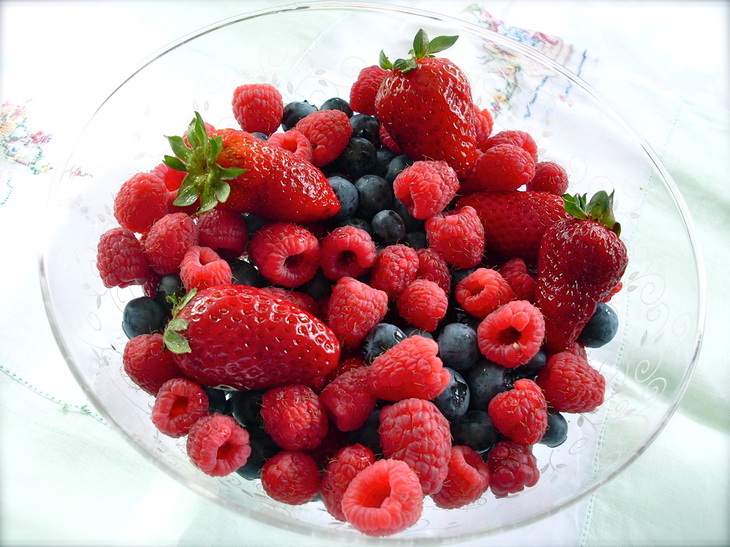 For the topping, I recommend a selection of beautiful berries... Lovely post Lizzy and beautiful photos. I didn't grow up with pavlova. Probably because one of my Grandmother's was English and the other Irish. My mother has never made it.And I grew up in Perth! I must ask my mother why she never made it. We had plenty of eggs growing up on the farm with our own chooks so it wasn't a case of not being able to afford eggs. I had my first pavlova when I arrived in New Zealand. 26/11/2011 07:58:48 am
I love how you've shaped the sides of your spectactular pavlova, Lizzy. It looks so elegant.
Lizzy (Good Things)
26/11/2011 10:19:04 am
Hi Barb, thanks so much for popping in. I loved hearing about your background. It isn't a thing for the English, I don't think Peter's mum ever made it. And nor did my darling mum. She was Hungarian, as was dad, and I think the only time she had pavlova was when I made it at Christmas. She loved it.
Lizzy (Good Things)
26/11/2011 10:21:15 am
Christina, thank you. It takes a little fiddling to get those sides right, but with a good spatula and butter knife you can get a lovely shape happening. Wow, even in Shanghai, the pavlova word is spread far and wide.
Lizzy (Good Things)
26/11/2011 10:22:41 am
LOL, Nic, the shaping isn't really perfect, but thank you. It did come up looking ok, but the taste! I must tell you, Peter told me when I made this one that if I make it for Christmas Day, he may 'possibly overdose on it'. LOL.
Lizzy (Good Things)
26/11/2011 10:23:32 am
Jennifer, how lovely! Yes, it is like a ballerina's skirt, isn't it. Thank you.
Lizzy (Good Things)
26/11/2011 10:24:42 am
Hi Amanda, I hadn't tried one with brown sugar either until I saw Bill's recipe. It just looked so yummy, and it is. Different flavour altogether. And cranking the oven up to 200 deg at the immediate start, kind of caramelises it.
Lizzy (Good Things)
26/11/2011 11:03:30 am
Hi Michelle, I read about it about 15 years ago in One Continuous Picnic, which is a brilliant book. Isn't this blog hop the best fun! 26/11/2011 11:18:11 am
'One Continuous Picnic' sat on my mum's shelf my whole life, I remember pouring over it as a teenager, our short history of food is so interesting, isn't it?
Lizzy (Good Things)
26/11/2011 11:40:05 am
Hi Lau, that is one of my favourite titles! I also love Cherry's Ripe Goodbye Culinary Cringe. Yes, our short food history is fascinating. Thanks for popping in. 26/11/2011 03:01:20 pm
We used the same pav recipe... such a good one to keep! And waves! Nice to meet you.
Lizzy (Good Things)
26/11/2011 03:11:05 pm
Hi Penny, lovely to meet you too. Thanks for popping in. Love your blog, your Tweets and your pandan pav! 26/11/2011 08:04:04 pm
Just discovered your blog and it is wonderful! I love this blog hop, I am discovering so many lovely blogs out there! Wow, brown sugar, I would never have thought about that but it makes such perfect sense, this looks divine :) 26/11/2011 09:40:21 pm
Wow the base on your pavlova is so perfect! I made the same one. The brown sugar is such a wonderful change from the original. Yum!
Lizzy (Good Things)
26/11/2011 09:44:34 pm
Hi Anna, thank you. I love this blog hop too, so good to meet new people and see their lovely blogs. Yours is really good too! It is a great pav. Thanks for popping in.
Lizzy (Good Things)
26/11/2011 09:46:09 pm
Claire, hello there. Great minds, eh! ( :
Lizzy (Good Things)
29/11/2011 06:18:48 am
Hello Liz! A few of the entries in the blog hop used Bill's recipe for Brown Sugar Pav. It's a good one!
Lizzy (Good Things)
30/11/2011 06:17:16 am
Hello Ashley, thanks so much! Thanks for popping in too! Comments are closed.
|
Welcome...Üdvözölöm
Cooking and writing have been a lifelong passion. Join me as I share with you my favourite recipes; postcards and morsels from my travels; conversations with cookery writers and chefs; and news on food, cookbooks and cooking. - Liz Posmyk
All
NB: I use Australian standard measuring cups and spoons in my recipes.
Winner ABC's 2015 Australia Cooks competition,
ACT (mains category)



Meet the Chefs - recipes featured on Australian Asparagus Council website
|