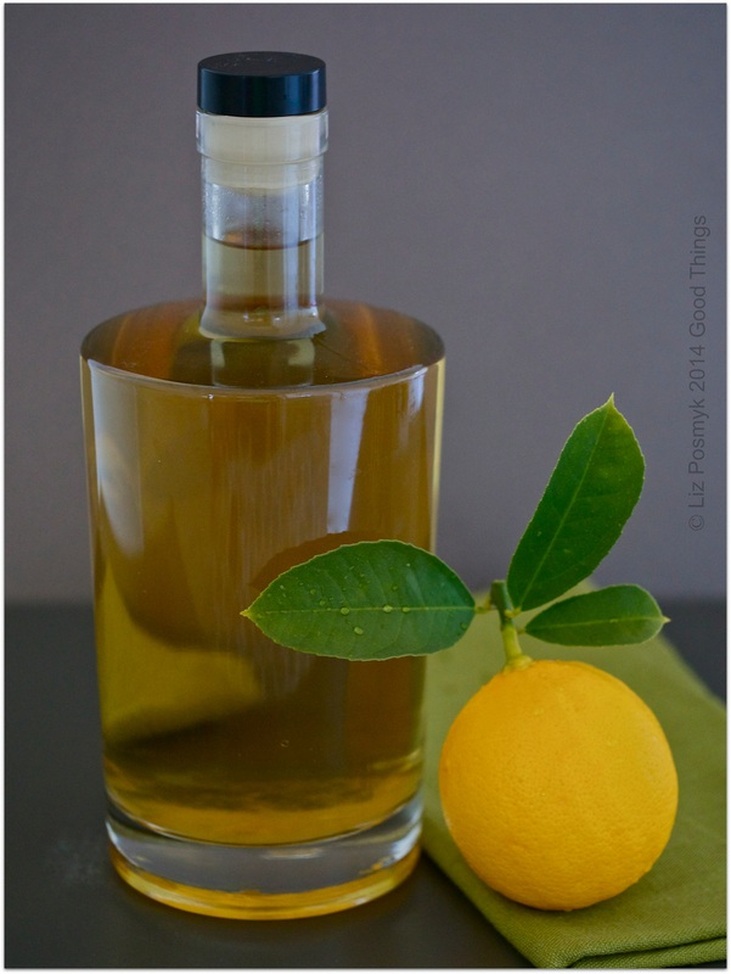
'In Sicily I came to relish the digestive Limoncello, taken at the end of a meal. It is made by steeping lemon peel in alcohol spirit for fifteen days and then blending with sugar syrup. My head rested peacefully on the pillow with the scent of lemons in my nostrils and a vision in my mind of citrus orchards glistening in the sun'.
— Kevin Donovan, Salute! Food, Wine and Travel in Southern Italy
Peter and I have both travelled overseas to different countries at different times, but neither of us has yet had the opportunity to visit Italy. When we first met, among the things we had in common was that we'd both planned to learn to speak Italian, as well as to travel to Italy some day. This adventure is on the bucket list now we've retired.
Italian food features regularly on our table and we team it with the occasional glass of icy Limoncello as an apéritif. The first time I tasted limoncello was many years ago during a visit to Tasting Australia in Adelaide, when I was fortunate enough to meet Libero de Luco, the maker of Ambra limoncello. Libero's hand-zested Ambra range includes lemon, strawberry, orange and chocolate. So exquisite. Food history tells us that fruit farmers in villages in the Amalfi region were establishing large scale lemon groves as early as the 7th century. Through experimentation with different species, they succeeded in growing a special variety of lemon, Sfusato Amalfitano, or Amalfi Coast Lemons, recognised as Italy's best variety. I wish they were available here! I'd had a yearning to make limoncello for years, even since before hearing chef Joanne Weir talk about 'gathering a bunch of lemons and making it' when she visited my cooking school in Australia in the late 1990s. It was ones of those things that I had put off endlessly. The first time I made it, I used store-bought lemons. Since then, I have been using home grown lemons, which are flourishing in pots on my verandah. My receipt is adapted from one by Ursula Ferrigno in Bringing Italy Home (Octopus 2001). On our first tasting, Peter and I agreed that the resulting liquor was quite squisito! LIMONCELLO 8 unwaxed lemons, thick skinned, if available 1 x 700ml bottle of vodka 225g caster sugar 450mls pure bottled water* Sterilise a wide necked preserving jar or bottle. Now soak the lemons for 30 minutes in a bowl of water, then give them a good scrub with a vegetable brush. Pat them dry with paper towelling. Then, using a good vegetable peeler, peel thin strips of rind away from the lemons, taking care to leave behind the bitter white pith. Place the lemon rind and the vodka into the sterilised jar or bottle. Seal it and store in a cool, dark place for about a four weeks, or longer if possible. Give the bottle a gentle shake on a daily basis. You will notice the colour of the liquid and the lemon rind changing with time. The rind seems to lighten in colour, while the liquid becomes a deep golden yellow. But please wait, your limoncello is not ready yet. In the final stages, combine the caster sugar and pure bottled water* in a saucepan and stir until the sugar dissolves. Pop a lid onto the saucepan and allow the sugar syrup to cool. Once cold, add the syrup to the jar of lemon rind and vodka, stir well to incorporate the syrup. Strain the liquor into a large jug, pressing out as much liquid from the rind as possible, and carefully pour it into sterilised bottles. Seal and store in a cool, dark place for a week. Ensure the limoncello is icy cold before serving (in fact, pop it into the freezer). Cin cin! *Pure bottled water is available in supermarkets and specialty stores. I used Nobles pureau pure water, which is said to have 'a chemical-free multi-stage process that ensures that it is free from contaminants such as chlorine, salt, fluoride and heavy metals'. 
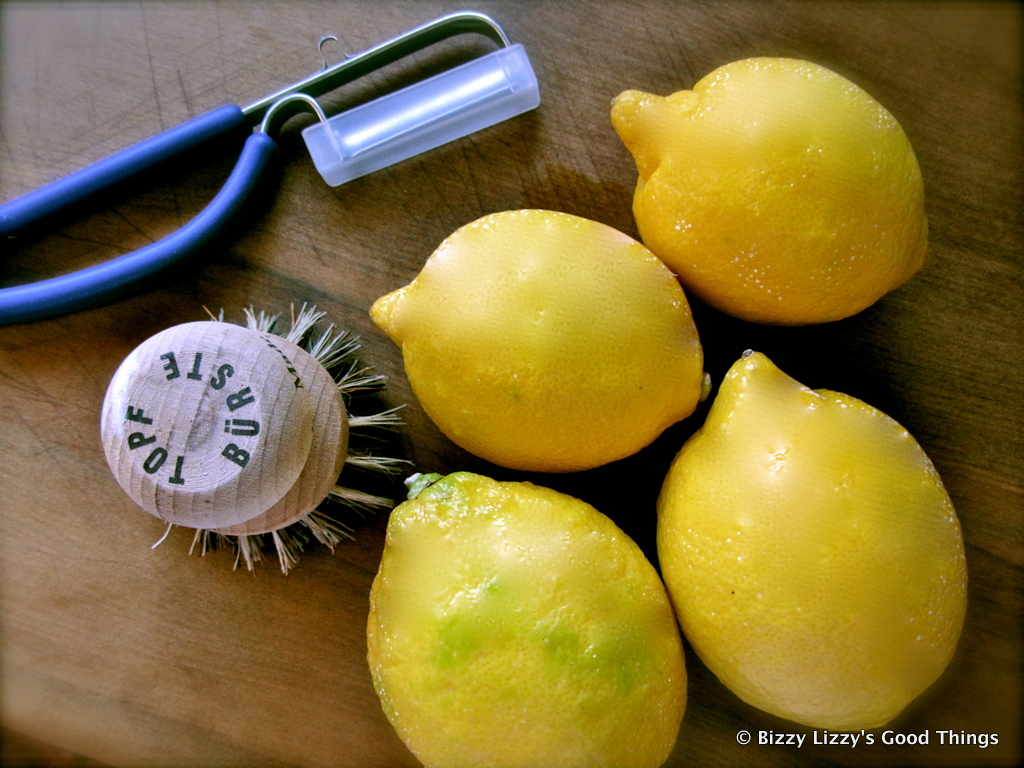
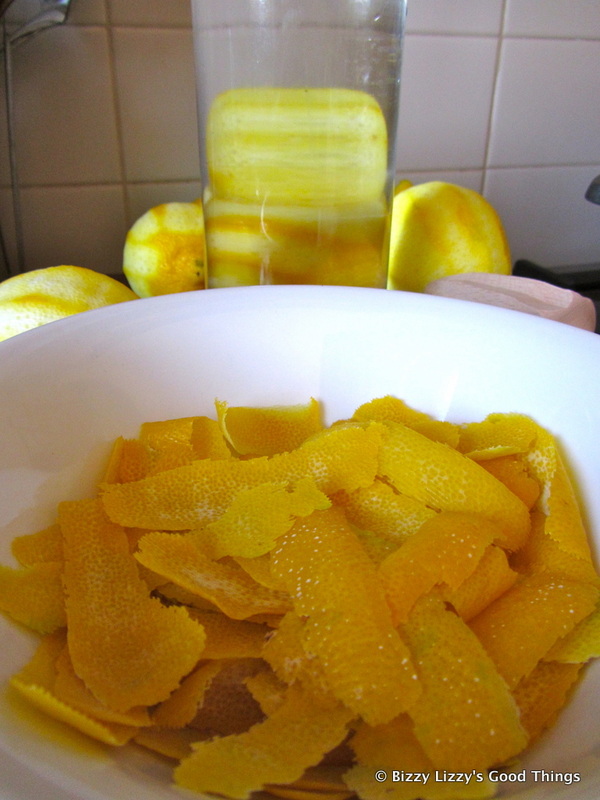
You need a scrubbing brush and good peeler. You can see the brush marks, which removes any residue.
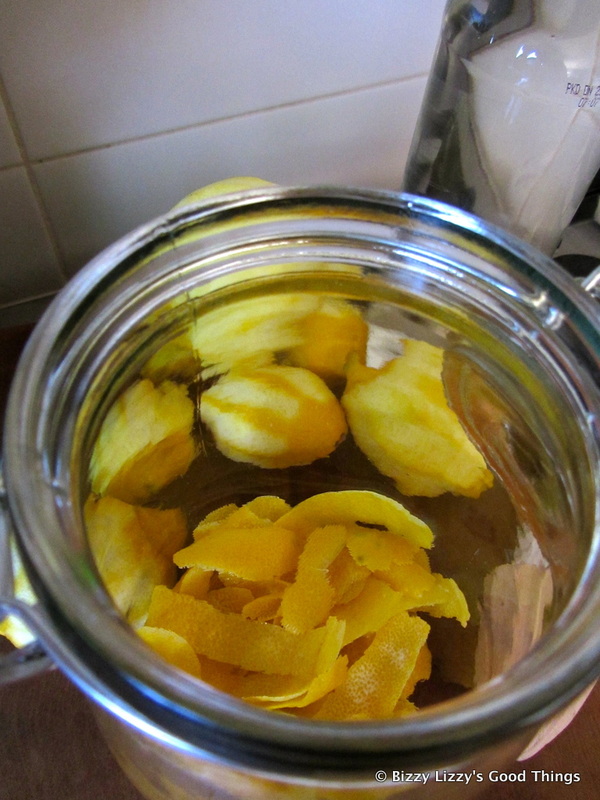
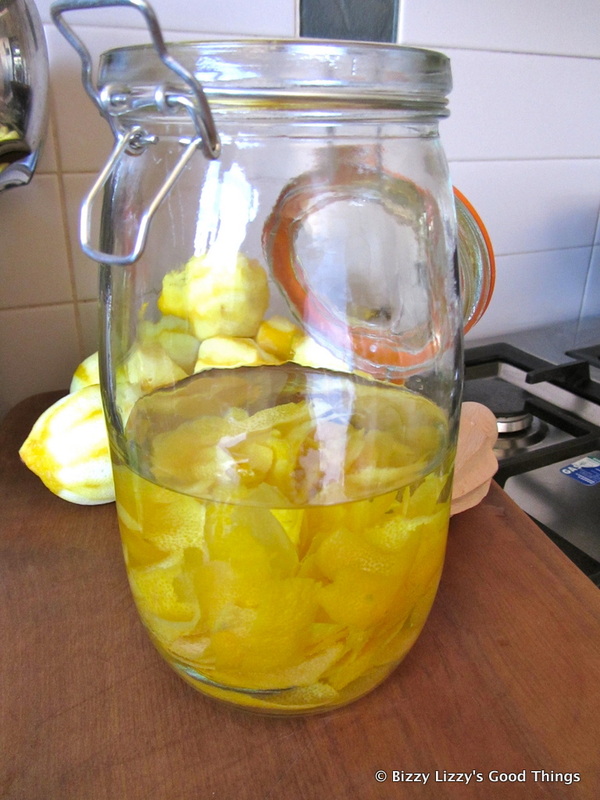
Place the lemon rind and the vodka into a wide-necked preserving jar that has been sterilised. Seal and store in a cool, dark place for about a month. Give the bottle a gentle shake on a daily basis.
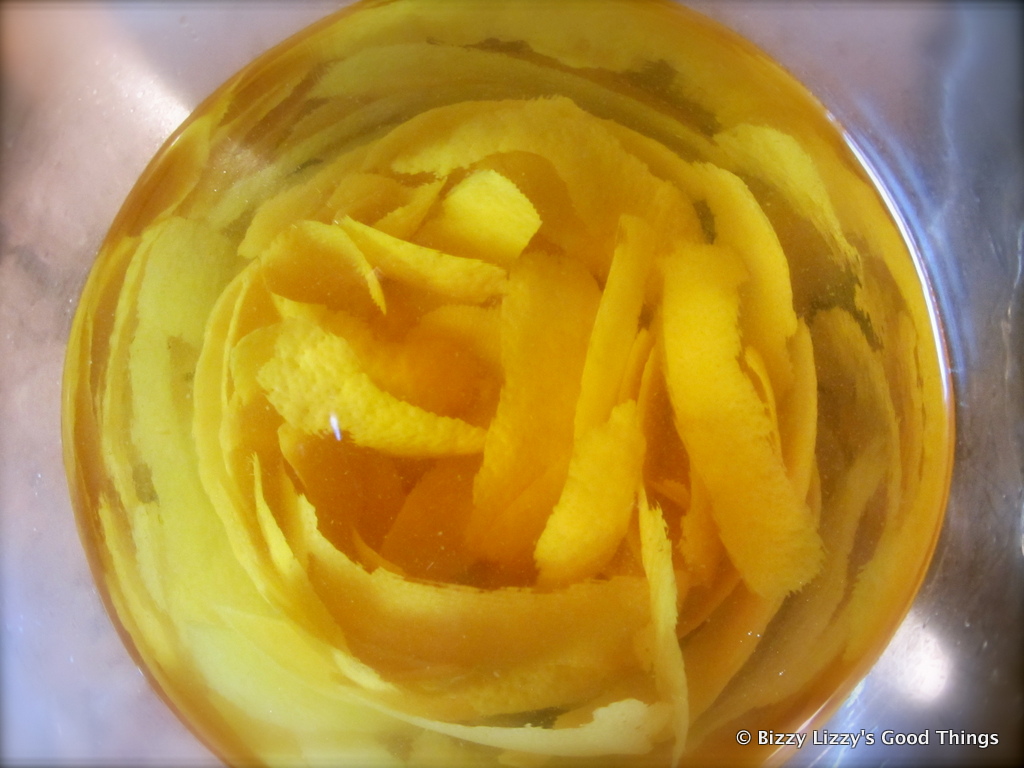
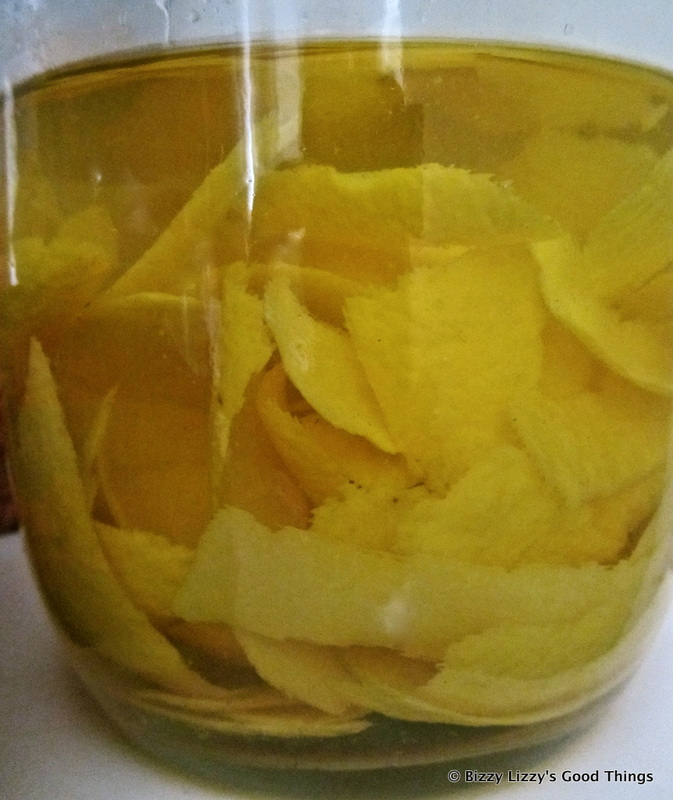
And this is the deep colour after a month or so. The aroma is intoxicating.
After a month or so...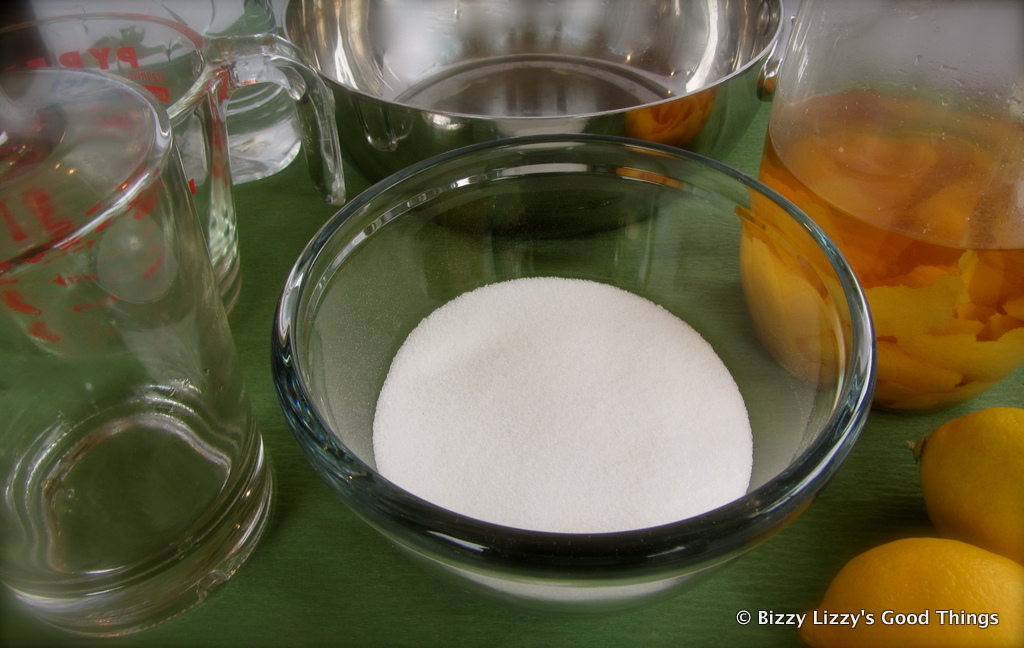
In the final stages, you need 225g caster sugar and 450mls pure bottled water, which once dissolved and cooled, is added to the strained lemon zest and vodka mixture. Note the deep colour of the lemon zest mix.
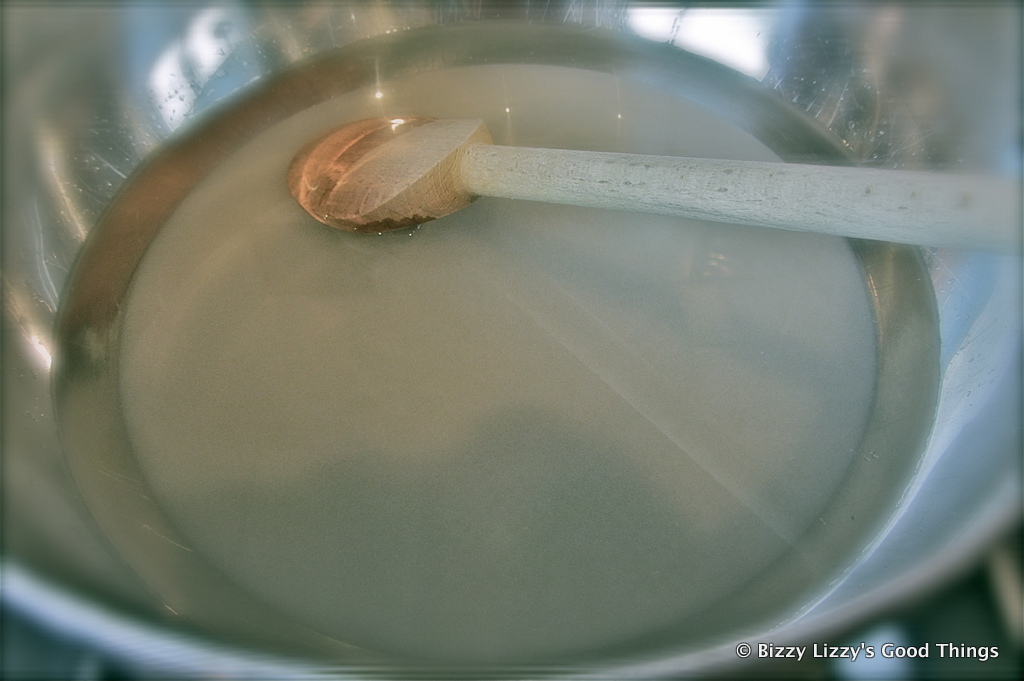
Add the caster sugar to the water and stir over a low heat until the sugar dissolves. Allow to cool.
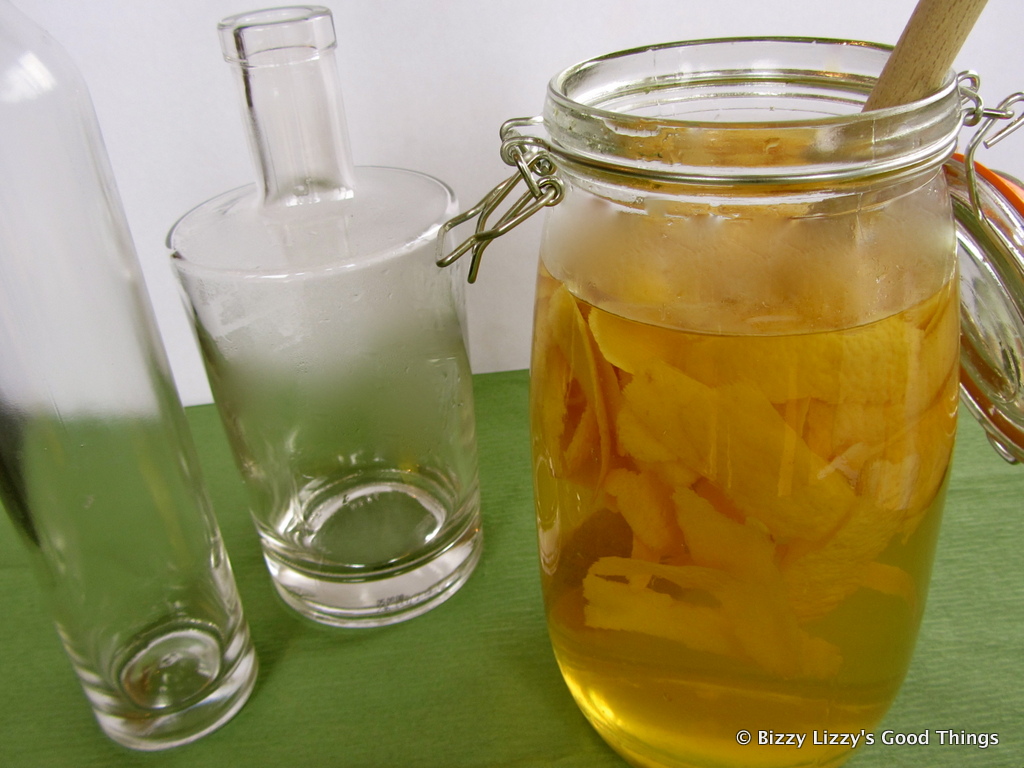
Add the cold sugar and water mixture to the lemon vodka mixture and stir to combine. Strain and bottle in sterilised bottles. Seal and store in a cold dark place for a week or more.
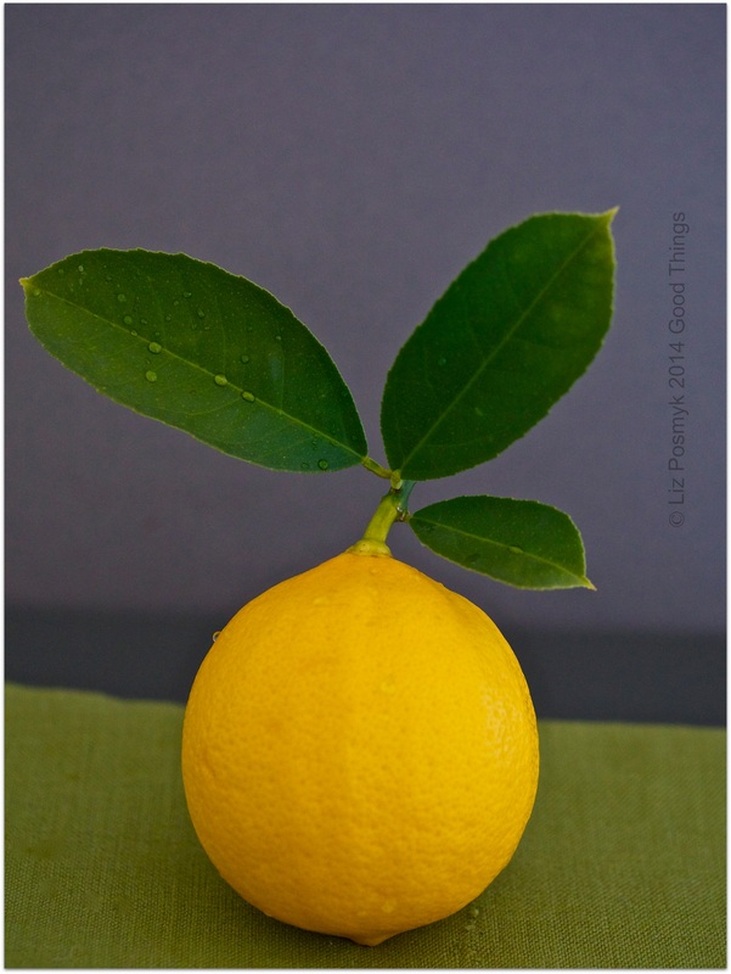

My latest batch of Limoncello has been made with home-grown lemons. I can barely wait to taste the difference.
Please tell me about your experiences with limoncello. Have you been to the Amalfi Coast? Oh please do tell, dear readers, I cannot wait to hear about your adventures.
53 Comments
Carmen
3/3/2012 03:01:35 pm
wow - you've set a new standard Bizzy Lizzy. Can I come visit..and try some?? he he he
Lizzy
3/3/2012 03:16:29 pm
Carmen, thanks, sure thing! Bring some honey ; )
Lizzy
3/3/2012 07:31:35 pm
Hello Kylie... the peeler I use has teeth and grips the zest as it peels it, so possibly releases the flavours. But all the videos I have seen for making limoncello, the strips are taken off with a peeler or paring knife. It would be hard to strain the thin pieces of zest.
Lizzy
3/3/2012 09:41:02 pm
Ha ha!! You are too funny. Brings the bikkies and come over! 3/3/2012 11:56:09 pm
I have two bottles of grappa sitting in my cupboard and a recipe from an Italian friend, which is their family's. I need to get around to making my lemoncello. How does it taste when using vodka?
Lizzy
4/3/2012 06:08:55 am
Hi Sara.... awesome! That sounds really good and I look forward to hearing your results. The vodka results in a lovely liquor. 4/3/2012 08:20:44 am
Oh so lovely indeed! The only problem I see with this is takes 5 weeks to be ready, torture!
Lizzy
4/3/2012 01:19:59 pm
Hi! Thank you... actually you can do it in three weeks or less, but I think allowing the liquor to steep with the lemon zest for longer gives a better depth of flavour. Especially as I was not able to get the thick skinned lemons when I wanted to make this. Thanks for stopping in! I see you are a fellow Canberran! ; )
Lizzy
4/3/2012 01:20:46 pm
Manon, hello there! Thank you for popping in. Limoncello.... mmmmm!
Lizzy
4/3/2012 09:28:57 pm
Oh Amanda, I am soooooo envious... five weeks is nothing... just think of that sweet, chilled, citrus liquor. Cannot wait to hear about and read your posts after your trip!!! Hurry back my friend! 4/3/2012 11:04:39 pm
Oh gosh Lizzy! Limocello is one of my favourite drinks! I have a Meyer lemon tree (with 1 fruit coming along) growing, when I get enough, I am making this using your recipe :)
Lizzy
5/3/2012 06:02:24 am
Anna, hi! Oh, your own lemon tree, delicious....
Lizzy
5/3/2012 06:04:42 am
Hiya... you know, peeling the lemons with that fantastic peeler I have is a breeze. It has little teeth in the stainless steel blade, I love using it and can't praise it highly enough, Thank you for your kind words. I was delighted with the photos. I think the quality of the finished product and and also the stunning bottle has helped ; )
Lizzy
5/3/2012 08:41:14 pm
Hi Muppy dear... have you not tried to drink limoncello or make it?
Lizzy
6/3/2012 12:51:15 pm
Hi Celia, yay, slushy limoncello. I always pop limoncello into the freezer before serving it. I think filtered water would be quite ok, Celia. I have seen a number of recipes that use just water. Filtered water is a good idea in terms of purity. 6/3/2012 09:06:35 am
I've never been to Italy either but I love the food and the people that I've met from there so I have no doubt that I'd love Italy itself! :) Limoncello, a really lovely, mellow one is a favourite drink of mine! :)
Lizzy Good Things
6/3/2012 12:52:41 pm
Hi Lorraine! Something tells me you might make the journey before Peter and I manage to do so. But what an exciting and delicious adventure we have ahead of us! Ciao xox 6/3/2012 09:13:25 pm
Lovely post - brings back fond memories of our trip to the Amalfi Coast and seeing limoncello for sale in every second shop (not to mention all the souvenirs and homewares with lemons stamped all over them). Such a beautiful and versatile fruit.
Lizzy
7/3/2012 07:18:01 am
Christine, thank you. What wonderful memories you have of your travels to the region. When we are ready to travel, Peter and I will look to you for guidance ; ) 7/3/2012 10:29:37 am
Dear Lizzy,
Lizzy
7/3/2012 05:57:36 pm
Hi Chopinand, where have you been lately, my friend? I can imagine you might prefer something less sweet? Thanks for popping in! 7/3/2012 07:36:34 pm
A little busy but all's good and I'm back in the fray. Definitely prefer something not too "stickly" sweet if there is such a word in the first place. 7/3/2012 01:13:45 pm
I love limoncello, and made some of it for the first time last year. Wonderful stuff.
Lizzy
7/3/2012 05:58:21 pm
Oh cool! Is it in your blog? I'm going to pop in and check!
Lizzy
7/3/2012 08:14:45 pm
Chopinand, let it be said that we miss you when you are not around! 10/3/2012 06:13:58 am
Making limoncello has been on my list for quite a while! Need to get on it. Yours looks amazing. I've been to Italy but never the Amalfi Coast - I'm dying to go!
Lizzy
10/3/2012 10:57:03 am
Hi Katherine... oh, do try making this limoncello. We had a tiny shot glass after dinner last evening... it was so chilled it was almost a slushy... dear me it was soooooooooooo good! 10/3/2012 08:49:31 am
Such a beautiful colour Lizzy!! One of the things I loved most about the Almalfi coast was the huge lemons! They had a really thick pith but were so sweet you could pretty much just take a bite like an apple. Thanks for sharing this Italian gem!!
Lizzy
10/3/2012 10:58:15 am
Hi there Mrs M.... I am envious that you have been and now I really look forward to going one day (some day), thanks so much for sharing this... I can't imagine biting into a lemon like an apple! Thanks for dropping in. 14/3/2012 09:33:19 am
I meant to make some of this for Christmas presents last year. So easy and so delicious! I might have to put it on this year's list.
Lizzy
15/3/2012 07:05:13 am
Hi Claire! Ooohh... such a delicious gift, especially made by you. Do it. It's yummy.
Len
22/6/2013 12:18:13 pm
Hi Liz
Lizzy
22/6/2013 12:22:56 pm
Thanks Len! How wonderful that you have those memories of your grandmother making limoncello!
Lizzy
23/6/2013 04:28:14 am
Most welcome to, my friend, and when you do, we'll crack open the bottle! 19/8/2013 09:33:49 pm
Would it be ok if it is left longer than 5 weeks. We are going to Europe in 4 weeks and will be gone for 5 weeks. I would like to make it before I go but that would mean sitting for 9 weeks. I read somewhere else that the longer it site the better. Woukd this be too long. I have the lemons now so would like to put them to good use :)
Lizzy
19/8/2013 09:38:54 pm
Jan, I made a double batch last year and we drank one over the summer. The second one is still fine : )
Jan Jessup
19/8/2013 10:04:14 pm
would it be alrightto leave the skins soaking in the vodka for 9 weeks rather than 5 as we are going in 4 weeks and will be away for 5 weeks. I can get my sister to shake the jar every day as she will be here. Once it is made wont last long as we go through half a bottle every fortnight at our family dinners :)
Lizzy
19/8/2013 10:08:55 pm
Jan, that I am not sure of.... but I don't see why not. Please check something like this site http://www.youtube.com/watch?v=zI67fFGetc8 for more expert guidance.
Lizzy
22/7/2014 10:21:37 pm
Oh Laura, it is exquisite!
Lizzy
22/7/2014 10:21:58 pm
Oh my goodness Francesca, how positively divine!
Lizzy
22/7/2014 10:22:18 pm
Maureen, when you do eventually make it, you will wonder what took you so long xo
Andrea
1/7/2016 08:19:25 pm
How awesome Lizzy, I made limoncello a few years ago after I was inspired when we did a Gourmet safari walking tour around Haberfield in Sydney- a big Italian influence and culture and we sampled ( and bought ) Limoncello! I love the bottles too! You've inspired me again! 😄 X Your comment will be posted after it is approved.
Leave a Reply. |
Welcome...Üdvözölöm

Cooking and writing have been a lifelong passion. Join me as I share with you my favourite recipes; postcards and morsels from my travels; conversations with cookery writers and chefs; and news on food, cookbooks and cooking. - Liz Posmyk
All
NB: I use Australian standard measuring cups and spoons in my recipes.

Winner ABC's 2015 Australia Cooks competition,
ACT (mains category)



Meet the Chefs - recipes featured on Australian Asparagus Council website
|