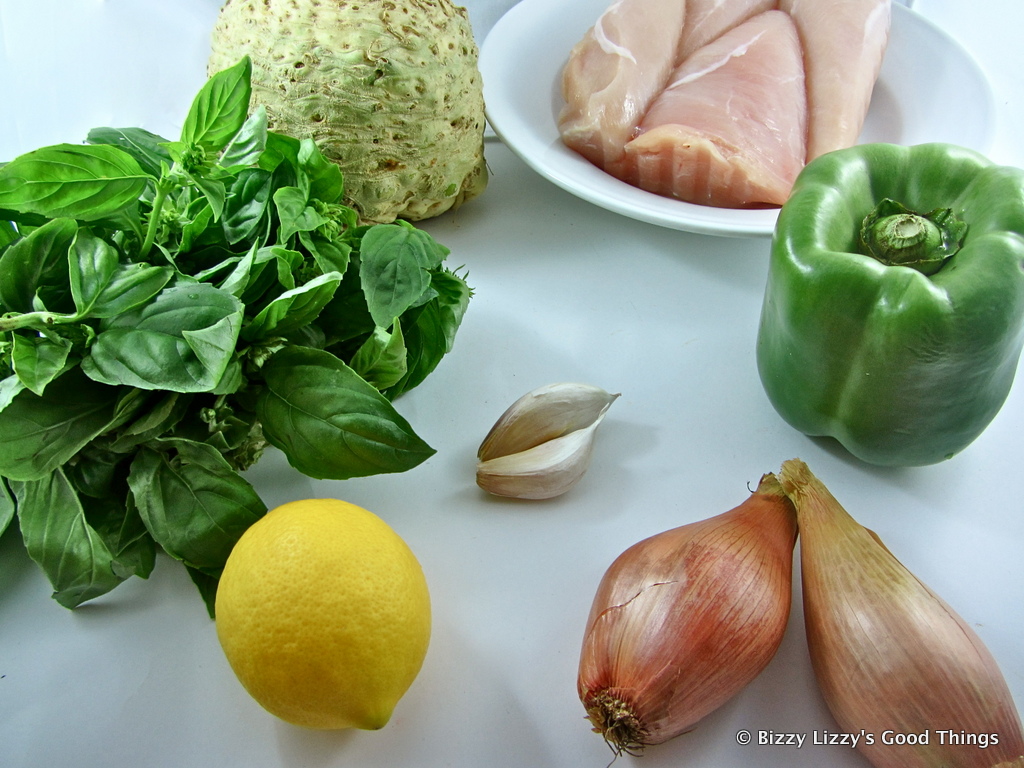
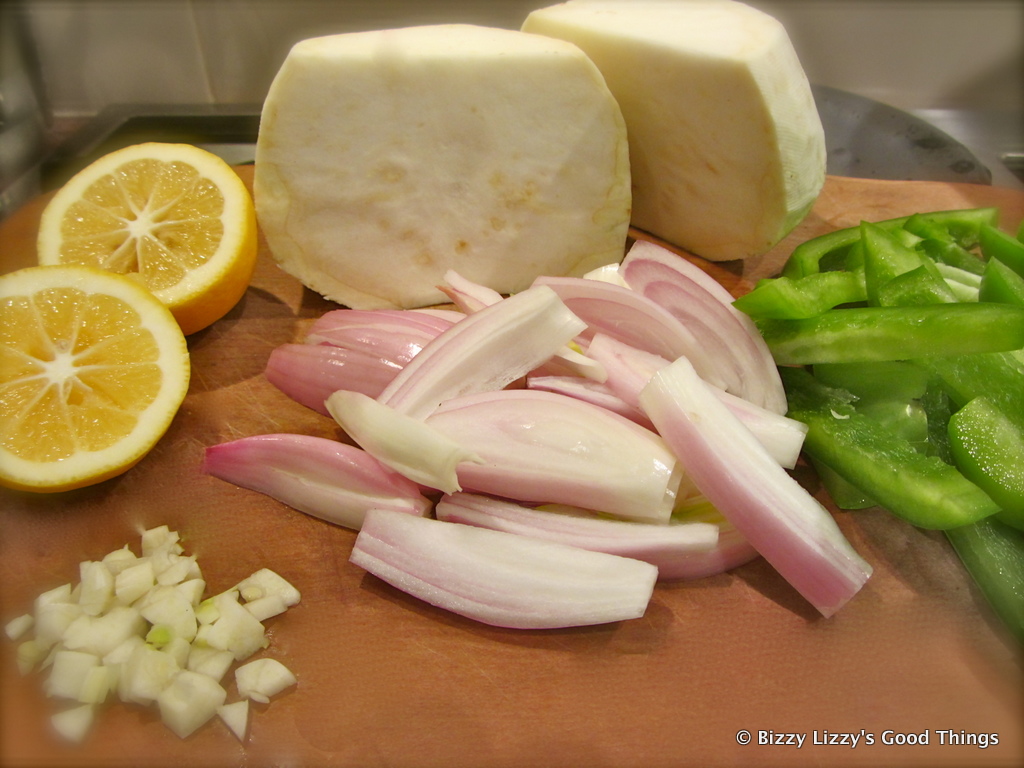
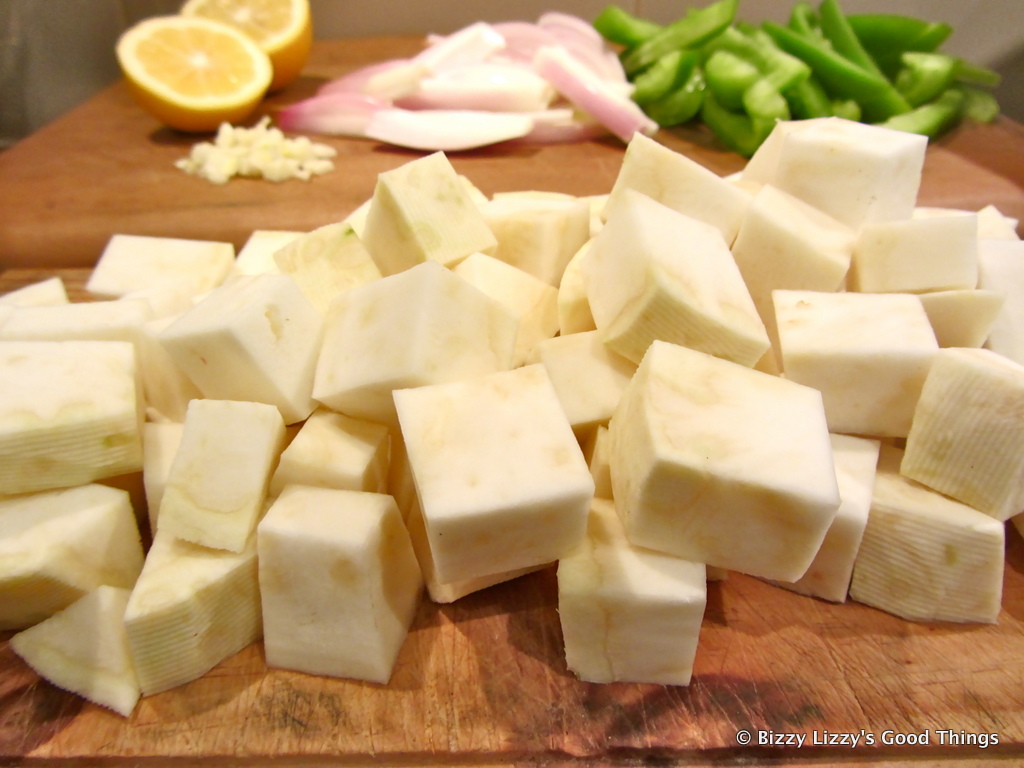
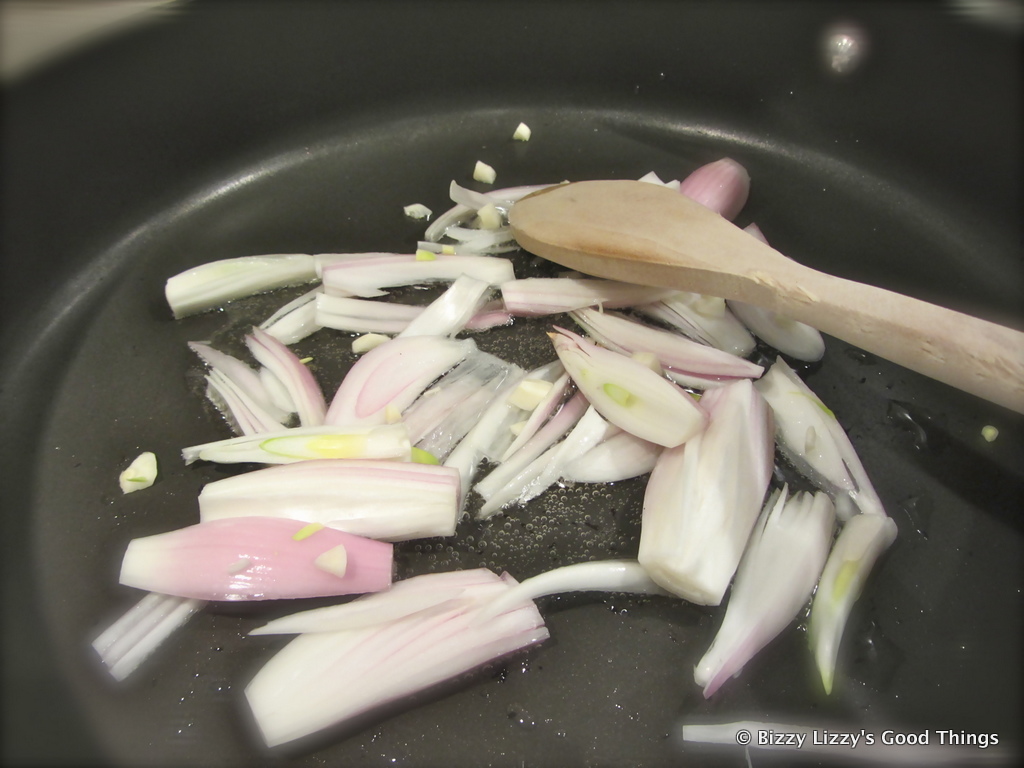
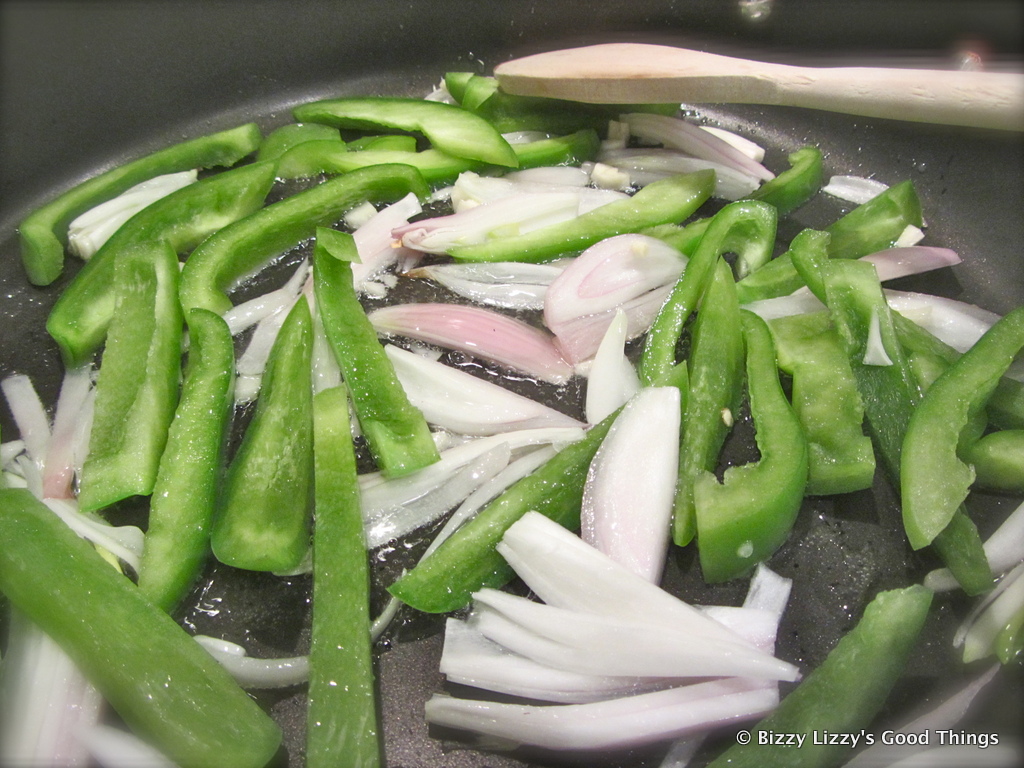
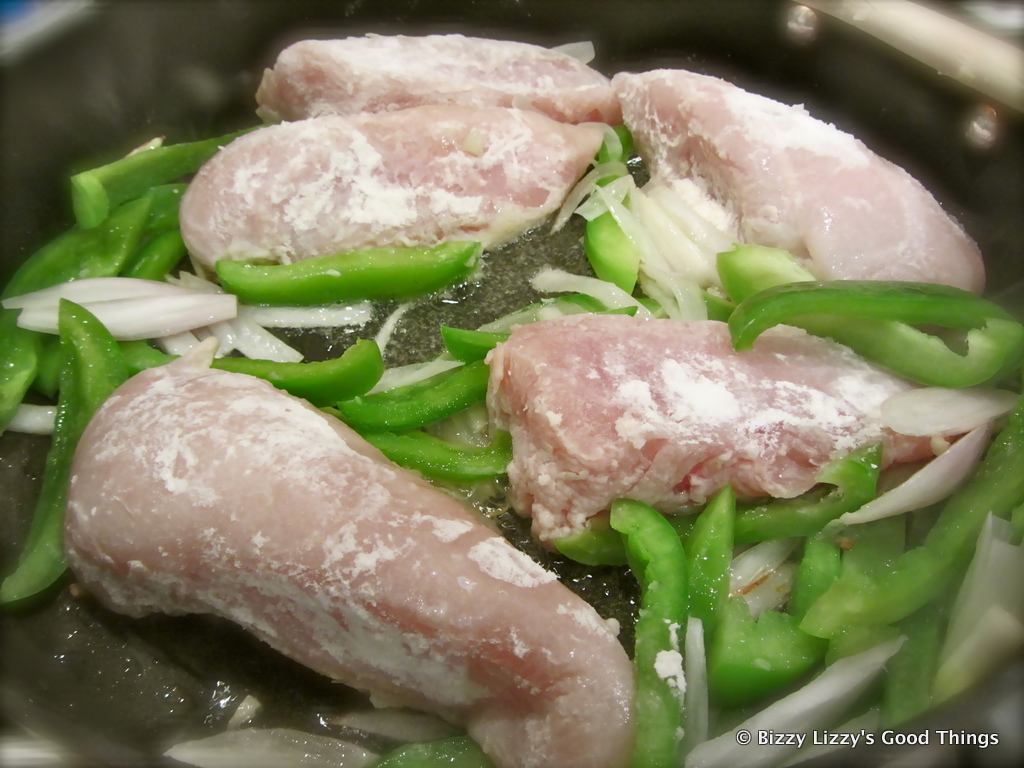
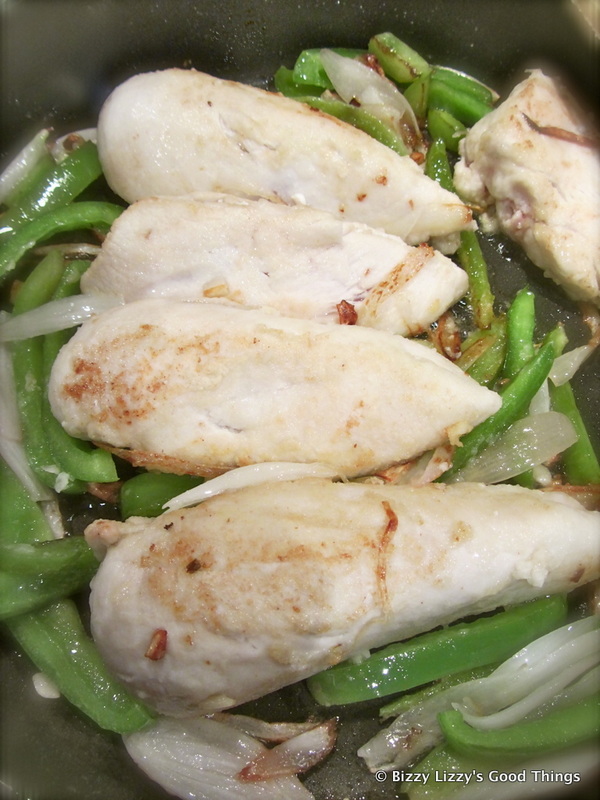
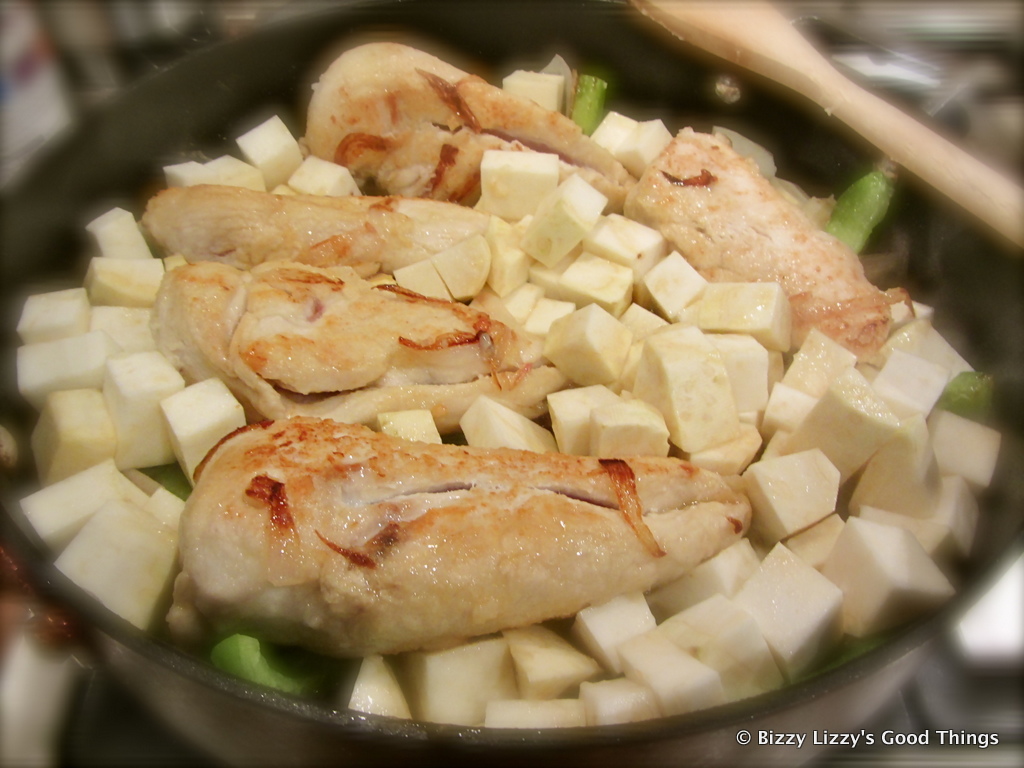
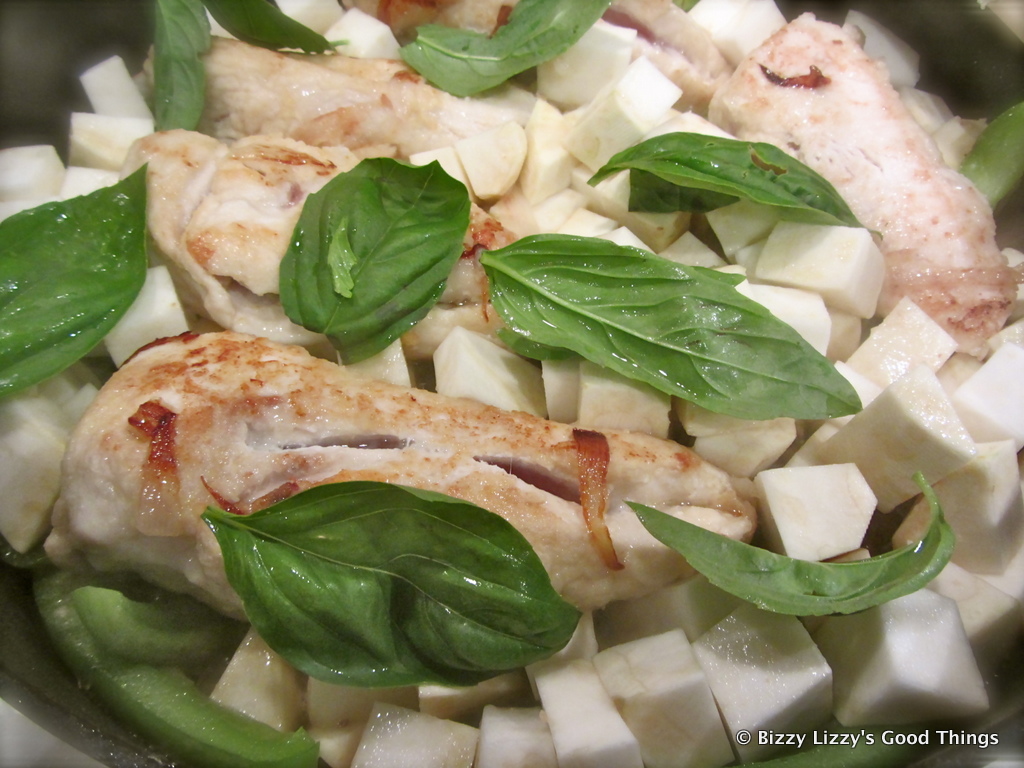
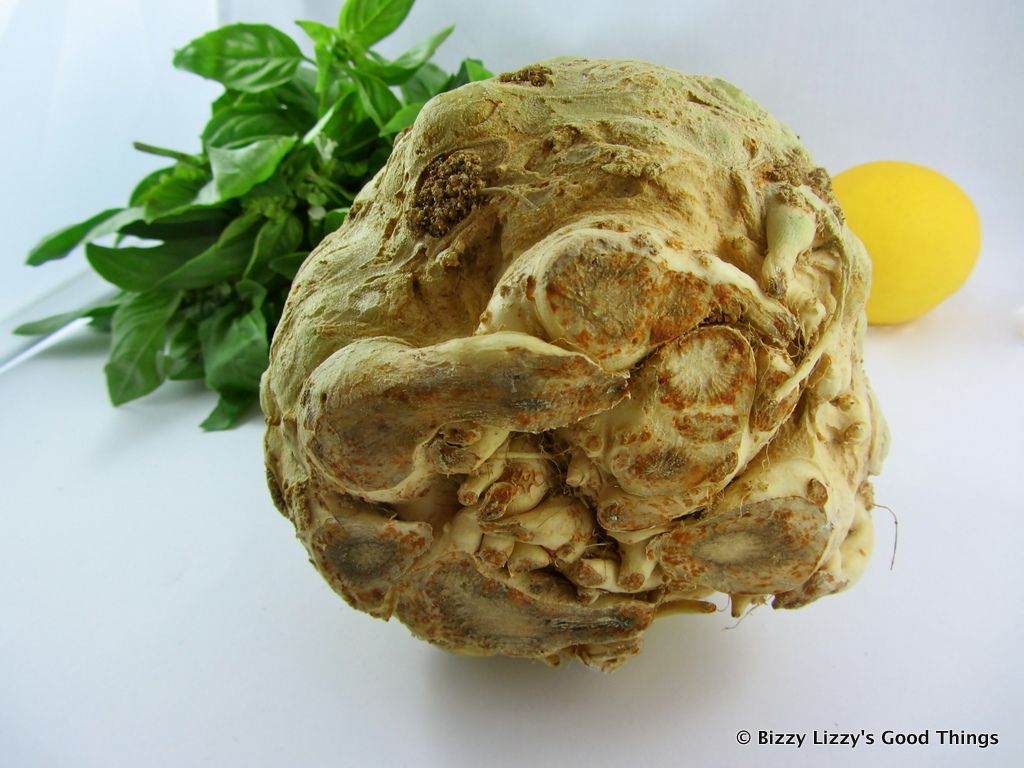
 Celeriac: also known as poor man’s celery, celery root, turnip-rooted celery, German celery and celery-knob On Fehérvári út on the Buda side of Budapest, there's a vibrant and fascinating open air market-place. It was there, many years ago, that I, as an Australian-born Hungarian foreigner, had my first encounter with an unusual vegetable called celeriac. 'Do you have any zeller,' I asked the old woman vendor in Hungarian, meaning the vegetable I knew as celery. She nodded and presented me with a large lumpy, turnip-like object with scrawny dark green stalks that had completely withered in the forty-two degree C heat of the day. Despite being a food writer with a keen interest in fresh produce, I hadn't yet seen celeriac at our Australian markets and therefore couldn’t help laughing, as I asked — 'What on earth is it?'. 'It’s zeller,' said my cousin. He stressed the word quietly through gritted teeth, while looking straight ahead at the woman. I noticed that he was suddenly flushed and embarrassed. Oops, sort of. I suppose I was having a moment of food culture shock. It was already curious and mildy offensive to me that market shoppers were not permitted under any circumstances to touch or select their fruit and vegetable purchases. And on that topic, my father had been yelled at by a vendor because he had spoken out at the mouldy peaches the vendor had tried to sell us! Times must have been tough back then, I guess. A few years later when my aunt (said cousin's mother) visited from Hungary, she was in awe of our celery (and other produce) and I think she felt she'd landed in food heaven when she visited the markets I was managing! But now, back to the original topic. Also known as poor man’s celery, celery root, turnip-rooted celery, German celery and celery-knob — celeriac is a native to southern Europe. It was a fashionable vegetable in the 18th and 19th century, particularly in France and Germany. Recent food trends have rekindled this vegetable’s popularity. And rightly so! 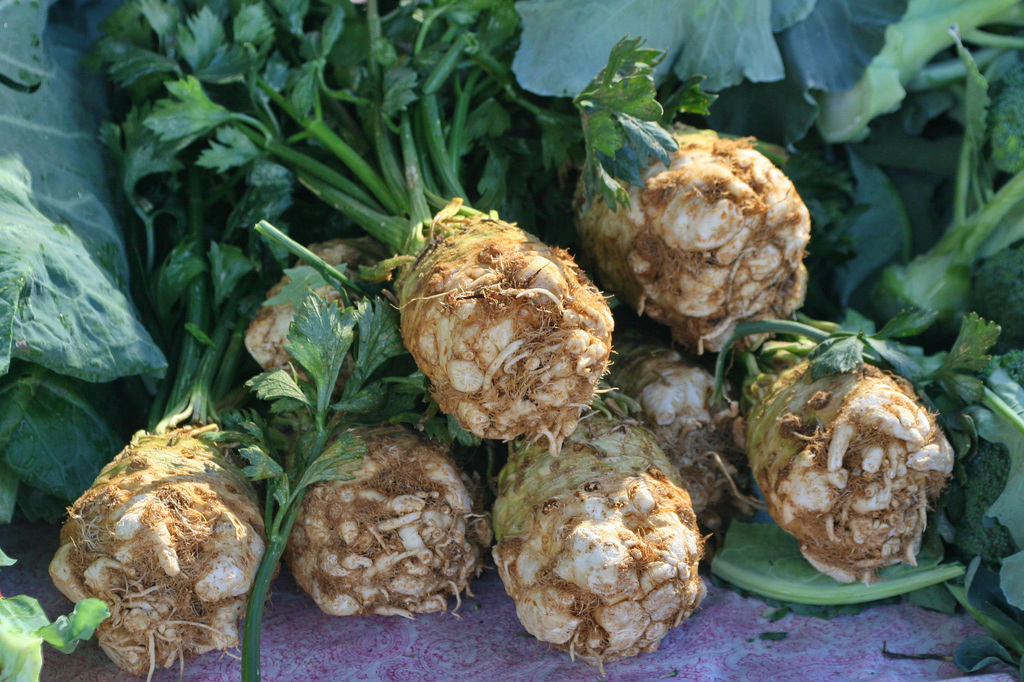 At the market: large lumpy, turnip-like objects with scrawny dark green stalks (image used via Creative Commons) Celeriac is a variety of celery which forms an enlarged, solid, edible tuber just below the soil’s surface. The tuber is brownish white in colour and has a gnarled appearance. The leaves and thin stalks are similar to celery, although are slightly darker in colour. Don’t be put off by the appearance of celeriac. Beneath the contorted exterior lies a smooth and deliciously creamy white flesh that has a delicate celery flavour. Ripe for the market basket between about March and December, celeriac’s versatility makes it perfect for autumn and winter cookery. It's yummy in soups, casseroles, stir fries, salads — or as a base for appetisers instead of bread sticks or crackers. Celeriac can be boiled or steamed for 10-15 minutes until just tender. The cooking time will vary depending on the size of the pieces that you cut. A little lemon juice added to the water will keep older celeriac crisp and white. Once cooked, serve celeriac piping hot with a cheese sauce, or tossed in butter and fresh herbs. Alternatively, do as the French do — serve celeriac with a decadent hollandaise sauce. Delicieux! You can also add a new dimension to a serving of dull mashed potatoes: simply fold in some mashed celeriac. Simple! When shopping for at the markets or your greengrocer for celeriac, select a firm small to medium-sized root that feels heavy for its size. Those that feel light are generally hollow or spongy and don't have dense flesh, while the very large tubers can be woody. Choose celeriac with fresh-looking leaves and stalks — and look for those with as smooth a skin as possible. This will make peeling easier and reduce wastage. Store your celeriac in a cool, dark, dry place or pop it into the fridhge, unwashed in a plastic bag. Celeriac should be used within a week of purchase. In this snippet, I'm sharing with you one of my favourite celeriac recipes. This is my take on a recipe from my colleague, Sue Dodd, at the Sydney Markets Limited and is one I presented years ago on my ABC radio segment. It's based on just a few simple, fresh and flavoursome ingredients: celeriac, capsicum, basil, lemon, garlic, Spanish onions or eschallots, and chicken. I cooked it for my Peter for the first time recently and he loved it. CHICKEN WITH CELERIAC, BASIL, LEMON & CAPSICUM 1 medium celeriac 2 Spanish onions or eschallots 1 green capsicum 4 chicken breast fillets 1/4 cup plain flour sea salt and white pepper, to season 1 tablespoon olive oil 2 cloves garlic, crushed 1/4 cup lemon juice 1/4 cup chicken stock 1/2 cup cream 10 fresh basil leaves steamed Koshihikari brown rice, serve Peel and dice the celeriac into bite sized cubes. Slice the onions (or eschallots) and the capsicum. Dust the chicken fillets in seasoned flour (I usually combine the flour, salt and pepper in an oven bag and then pop the meat in with the flour. This ensures an even coating). Heat the oil in a heavy based pan. Saute the onions (or eschallots), capsicum and garlic for a minute or two over a medium heat. Add the chicken fillets and cook until golden brown on each side. Stir in the celeriac and add the remaining ingredients. Cover the pan, lower the heat and simmer for 20 minutes or until chicken is cooked through. This recipes serves 4-6 and is particularly tasty when with steamed organic brown Koshihikari rice. Tastes great on day two as well, just reheat it gently! If you would like to experiment further with celeriac, there are some other delicious recipes from the Sydney Markets Limited here and here and BBC Food also features celeriac dishes here. 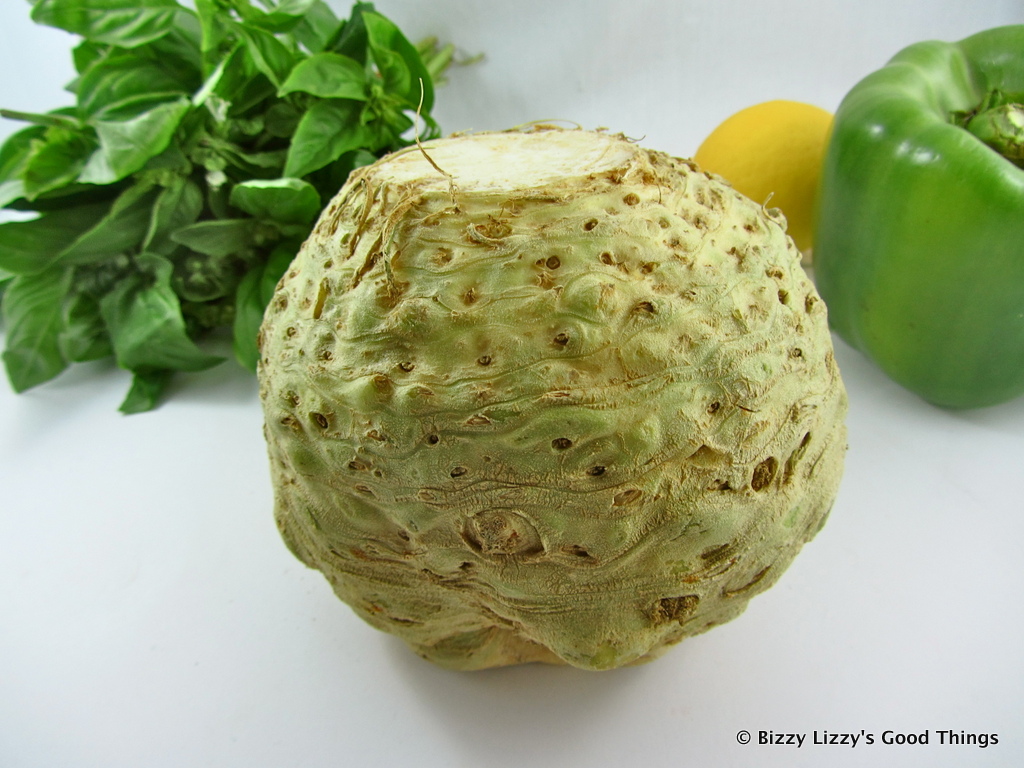 One of my favourite celeriac recipes... based on a few simple fresh and flavoursome ingredients The process in pictures...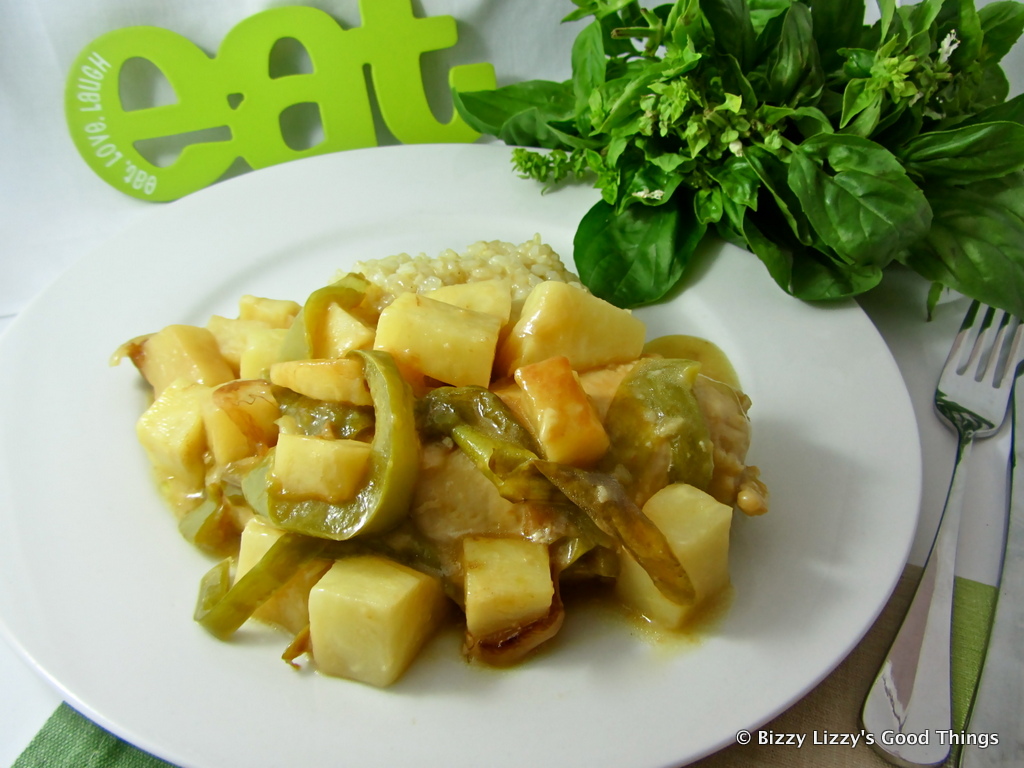 This dish is particularly tasty when served with steamed organic brown Koshihikari rice So, tell me, are you a fan of celeriac? And have you ever 'discovered' interesting new ingredients when travelling overseas?  15/8/2012 10:36:47 pm
Your dish looks so comforting. I'm most certainly a fan of celeriac! Still remember the first time I had it in a restaurant...
Lizzy
15/8/2012 11:49:09 pm
Thanks ever so much! Wow... which restaurant, do you remember? Love your blueberry recipe, BTW! 16/8/2012 01:11:45 am
This year I fell in love with celeriac. It has such a delicate flavour and would be perfect in this dish. Just beautiful!
Lizzy
16/8/2012 08:32:30 pm
Excellent! It does have a delicate flavour, doesn't it. So glad you love it too! 16/8/2012 10:02:11 am
Delicious recipe Lizzy, it looks very warming!! I love celeriac - a big fan of raw grated celeriac salads in France, yum!! Love your combination with capsicum too, one to try soon! Adore your story of the markets x
Lizzy
16/8/2012 08:33:07 pm
Thank you Mrs Mulberry... raw grated in salads... I am going to remember that! Thank you. xo
Lizzy
16/8/2012 08:33:56 pm
Torch ginger, how fascinating! I am about to google that one. Mashed celeriac is delicious, isn't it Moya. Thanks for visiting. 16/8/2012 11:11:59 am
Yummo Lizzy, this sure looks great! I planted celariac but it didn't do anything at all in the garden :( My favourite way to eat it is as a super smooth and creamy soup- delicious!
Lizzy
16/8/2012 08:34:28 pm
Oh yummy, Bec, now that sounds lovely. Recipe please.... or send me the link to your post and I will link it up.
Eha
16/8/2012 05:24:52 pm
Very much like celeriac whenever I can get hold of some and certainly plan to try this interesting recipe. Was grateful to get further ideas from the BBC link, but the Sydney Markets ones [just so you know] insisted there was a bug in the system: 'abort', 'abort'; just in case this happens to other readers also :) !
Lizzy
16/8/2012 08:35:14 pm
Hhmmmm... works for me and no one else has complained about the Sydney Markets links. They open to PDF... do you have capability to access those?
Lizzy
20/8/2012 12:14:46 am
Hello again, my other readers have reported no issues with those links. May I suggest you try this http://www.google.com.au/#hl=en&sclient=psy-ab&q=Sydney+Markets+celeriac+recipes&oq=Sydney+Markets+celeriac+recipes&gs_l=hp.3..33i21.877.9450.0.9602.35.27.2.6.7.2.717.6752.2-21j2j1j0j1.25.0...0.0...1c.EFRG128tBCA&pbx=1&bav=on.2,or.r_gc.r_pw.r_qf.&fp=63228fb7f46f23b9&biw=1366&bih=598
Lizzy
20/8/2012 10:06:33 am
Eha, copy and paste this length of text into your browser and it will take you to several Sydney Markets links: http://www.google.com.au/#hl=en&sclient=psy-ab&q=Sydney+Markets+celeriac+recipes&oq=Sydney+Markets+celeriac+recipes&gs_l=hp.3..33i21.877.9450.0.9602.35.27.2.6.7.2.717.6752.2-21j2j1j0j1.25.0...0.0...1c.EFRG128tBCA&pbx=1&bav=on.2,or.r_gc.r_pw.r_qf.&fp=63228fb7f46f23b9&biw=1366&bih=598
Jane @ Shady Baker
16/8/2012 06:30:15 pm
This looks good Lizzy. I have not used celeriac before but once again you have given me something new to try! Have a lovely weekend x
Lizzy
16/8/2012 08:35:41 pm
Jane, hello there.... I get the feeling you would enjoy celeriac. Thanks for visiting, keep warm xo
Lizzy
19/8/2012 09:27:38 pm
Hello there Liz from across the miles! Aha, you know it as celery root. Yes, try again... this dish is very yummy! 17/8/2012 03:45:19 am
What a "meaty" post! Love celeric - but my "usual" is mashed. Love it just by itself, cooked in my Thermomix, and mashed with s and p. Plain and simple. It is DELISH. I use very little water to cook it. I also love it combined with potatoes, but honestly, each vegetable is ultimately better on its own. I have never thought of a dish like this - mainly because my better half is so picky - but, he may not recognize what he is eating.... (wicked grin)
Lizzy
17/8/2012 05:53:54 pm
I am laughing as I read this Valerie! My man loved it, but on night two he asked for less of the vegetable!
Lizzy
17/8/2012 05:54:29 pm
Celia, sometimes you can find it cheaper... I think you can get quite a reasonable meal from a good sized one! 17/8/2012 07:34:36 pm
Lizzy, I had to chuckle because just the other day I sent hubby for some celeriac and he had to go to three places to find it. And I hear you Celia, I think we paid $5 for ours too (although it was big at over a kilo) :)
Lizzy
17/8/2012 07:51:39 pm
Interesting to hear that, Lorraine. So it's still not as accessible here. My most recent acquisition was a good sized one too, but sadly I cannot recall what I paid.
Lizzy
19/8/2012 09:28:54 pm
Hello there my friend! My pleasure. It does have character and flavour! Thanks so much for stopping by. I look forward to catching up!
Lizzy
19/8/2012 09:29:21 pm
Anne, oh now that sounds very yummy! Great idea. Thanks so much for visiting. 19/8/2012 08:31:36 pm
Thanks for sharing this recipe Lizzy. I like celeriac but am always a little lost for clever ways to use it, any way to use it actually.
Lizzy
19/8/2012 09:29:59 pm
Hi Sara... try this one if you are inclined. It really is yummy... and there are some other good recipes in the links within my post. Comments are closed.
|
Welcome...Üdvözölöm

Cooking and writing have been a lifelong passion. Join me as I share with you my favourite recipes; postcards and morsels from my travels; conversations with cookery writers and chefs; and news on food, cookbooks and cooking. - Liz Posmyk
All
NB: I use Australian standard measuring cups and spoons in my recipes.

Winner ABC's 2015 Australia Cooks competition,
ACT (mains category)



Meet the Chefs - recipes featured on Australian Asparagus Council website
|