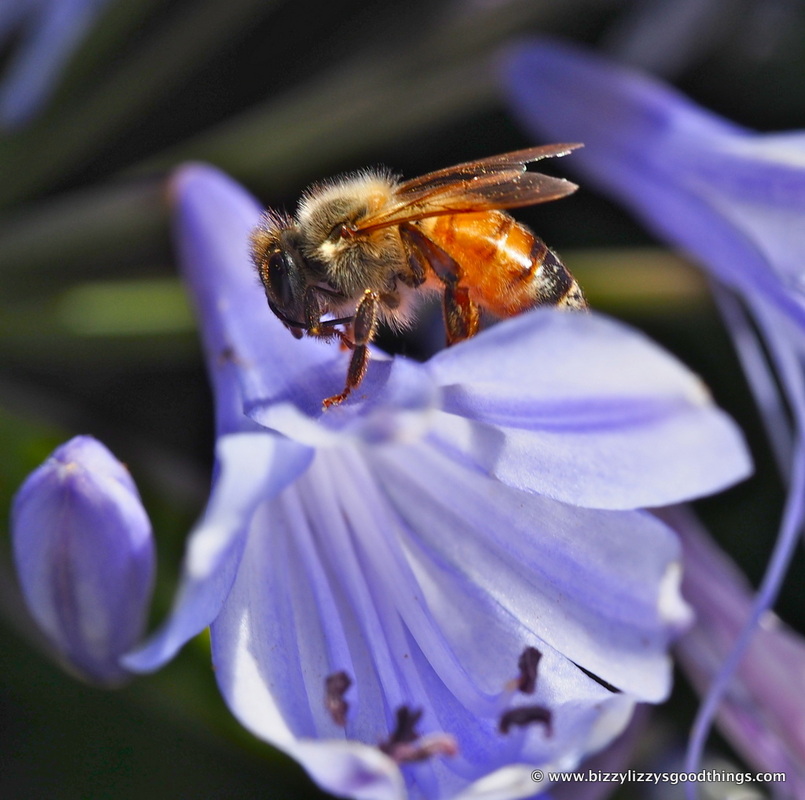
 Bee on lilac agapanthus (African lily) flower 'If the bee is, as the French say, "the sentinel of the environment", then the fact that large numbers of bee colonies are perishing around the world is an alarming sign that we must ... attempt to reconnect with a nature that is rapidly disappearing.' Peter and I really enjoy sharing our garden with nature. We love it when birds and bees come to visit, so when scores of bees suddenly disappeared from our courtyard recently, we became quite concerned and wondered why this had happened. Our lavender bushes had finished flowering, so that might explain it, although we had never before noticed the departure of the bees altogether. Coincidentally, I had also (in hindsight, perhaps foolishly) sprayed some of our shrubs with a natural pyrethrum spray to bring them back to good health after a burst of scale and leaf yellowing. Curiously, I'd been doing this for a couple of years and it had never affected bee visitor numbers. And with the bees gone, we also noticed our strawberry patch isn't flourishing with the same vigour as last year. Perhaps it is just the season, or maybe the lack of bees pollinating the flowers. Whatever the cause, now I'm actively engaged in bringing bees back to my garden and I'm happy to report that they're visiting flowering bushes and plants outside in the front garden, so all may not be lost. 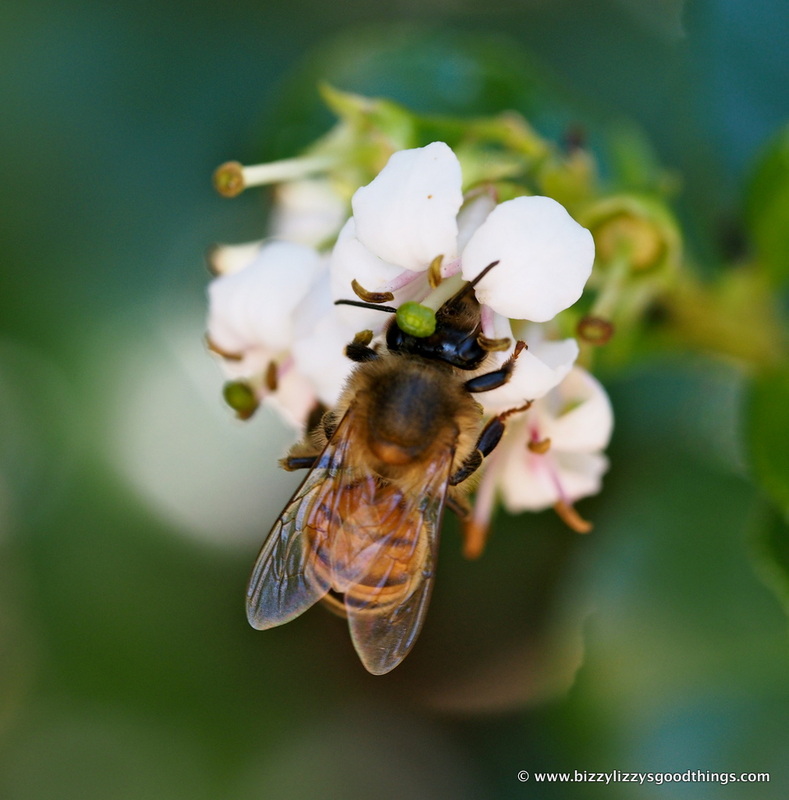 Bees forage for nectar and pollen 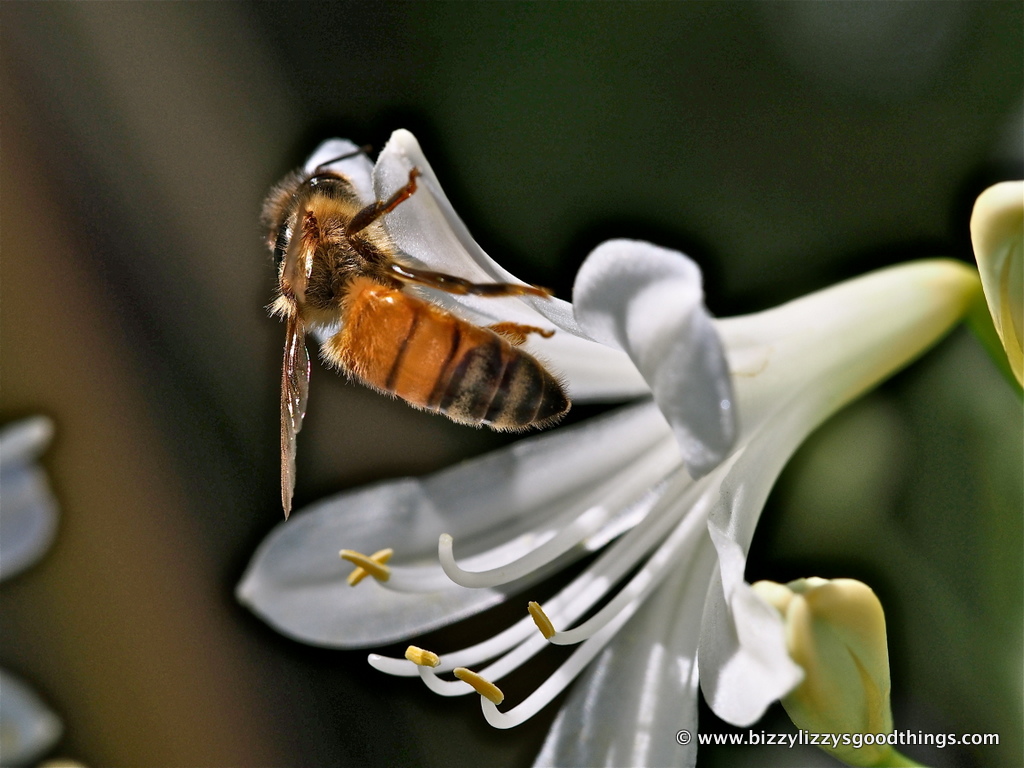 Bee on white agapanthus flower My beekeeper friends, Carmen and Todd, also noticed Canberra's changing bee population, hence they commenced the Canberra Urban Honey project. They are looking for urban 'country' for urban bees and people who would like to host micro apiaries. Carmen, a third generation beekeeper, is deeply passionate about bees and fascinated by the world of bees and honey . 'I just love looking at the baby bees in the hives and watching the bees work in the boxes,' she explained to me. 'My grandfather would be so happy to know that I have placed some of his original bee boxes in Canberra to help regenerate bee populations in the urban environment. He was a farmer who always respected nature and sustainability. As early as the 1920s, he sourced some of the original bee sites still used by my family. His legacy lives on in our beekeeping family and we continue to honour his natural bee husbandry practices.' Carmen and Todd paid a visit to our home and assessed the garden for suitability for a hive. Sadly, our kitchen garden is the best spot for a hive and the bee flight path would have made tending the beds very difficult. We are disappointed, but keen to encourage others to become involved in the Canberra Urban Honey Project. 'Like you, Lizzy, a lot of people have wanted to have hives, but we're being careful to choose sites that will be best for the bees. That means being patient while we find the right location for urban bees,' she said. The 'right location' has an impact on the health of the bee colony because of the way sun and shade affect heat and ventilation in the hive. Urban beekeeping and urban agriculture is a worldwide movement as part of sustainable cities. Carmen explained to me that Australian bee husbandry practices are quite different to the rest of the world because we don't have all the pests and diseases that other countries have (such as varroa mite). This means we don't have to feed the bees medication and sugar syrup the way some beekeepers in other countries do. The benefit to beekeepers and the public is that our bee population is faring better when compared to other countries and our honey is of a particularly high quality. If you are interested in hosting hives in your back garden, first you should consider the following:
Hive Hosting is managed in a similar way to commercial beekeeping. The Canberra Urban Honey team will relocate the hive to your property but maintain ownership of it, as well as manage the hive and the colony. When there is honey to harvest, they will also manage the honey extraction process AND (generously, methinks) share the honey with you (3kg per harvest). Carmen explains the Canberra Urban Honey project here and was also recently interviewed on radio by the ABC. If you think your site may be suitable, contact Carmen and Todd via email. 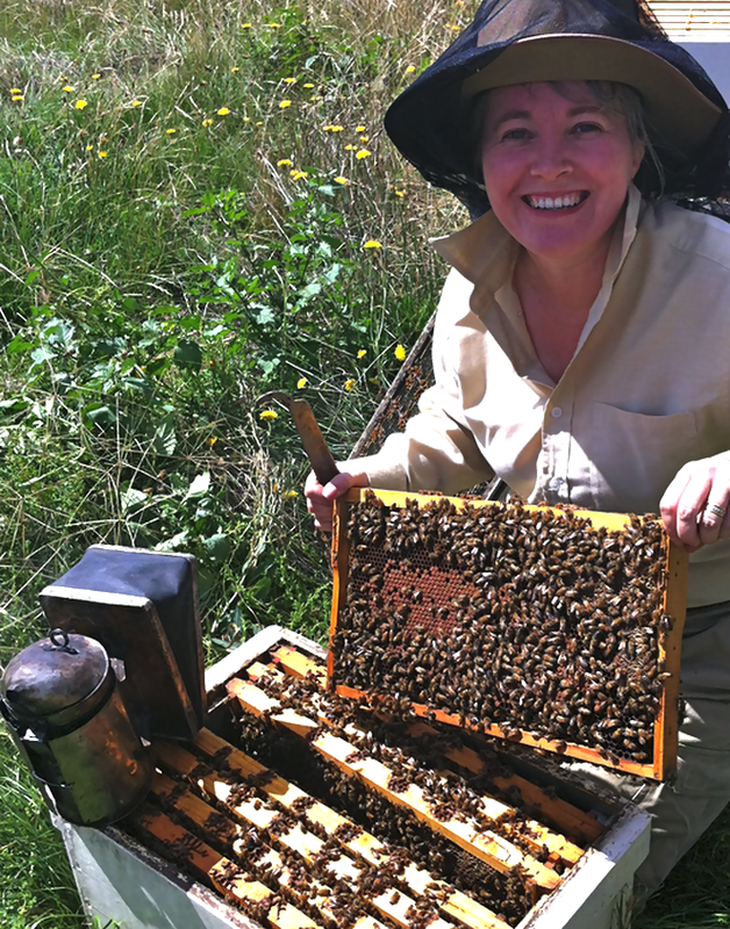 Beekeeper, Carmen Pearce-Brown, of Canberra Urban Honey and Honey Delight. Image courtesy Honey Delight. 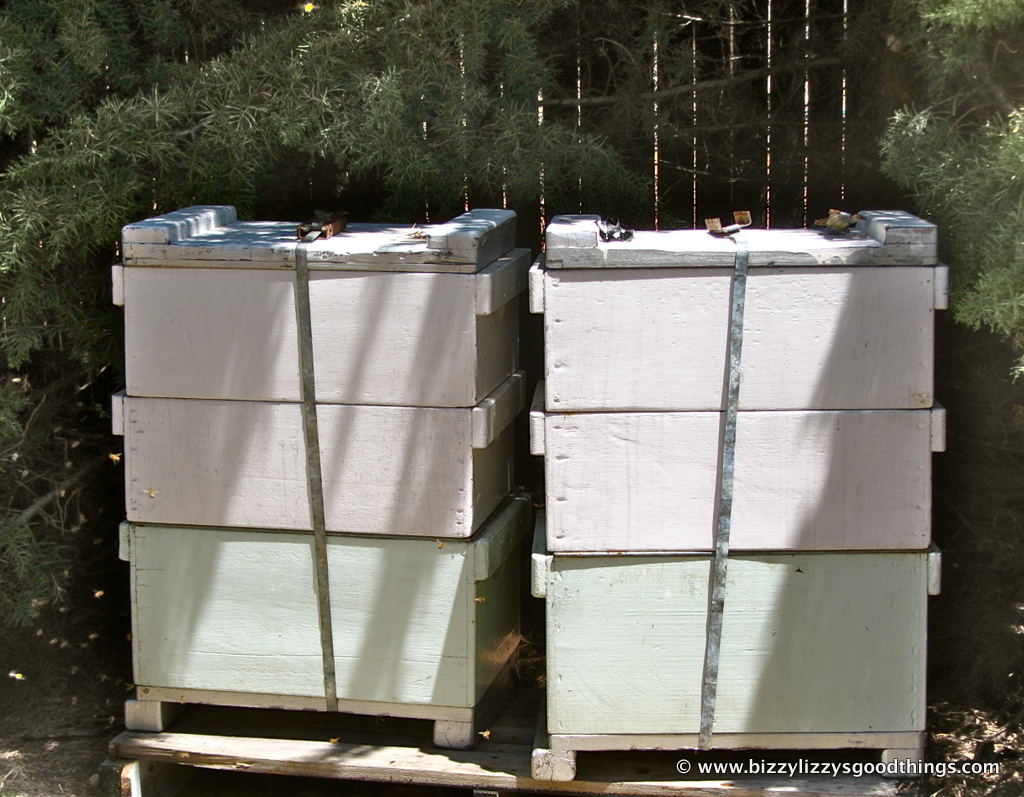 Beehives in the garden at Carmen and Todd's home belonged to Carmen's grandfather 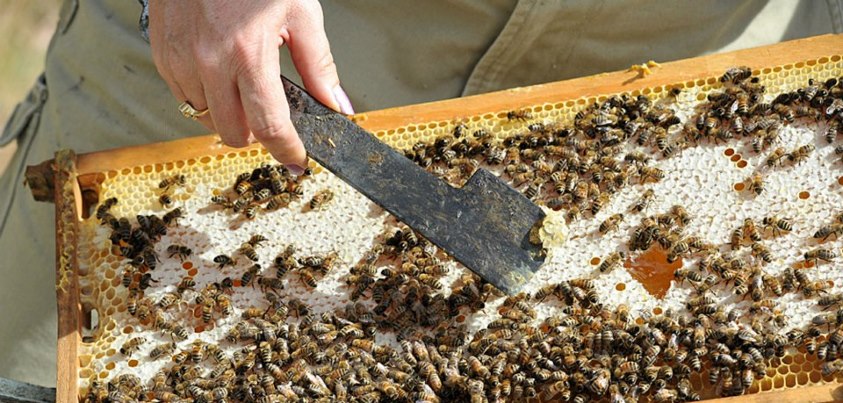 Bees on honeycomb and a hive tool. Image courtesy of The Land newspaper. 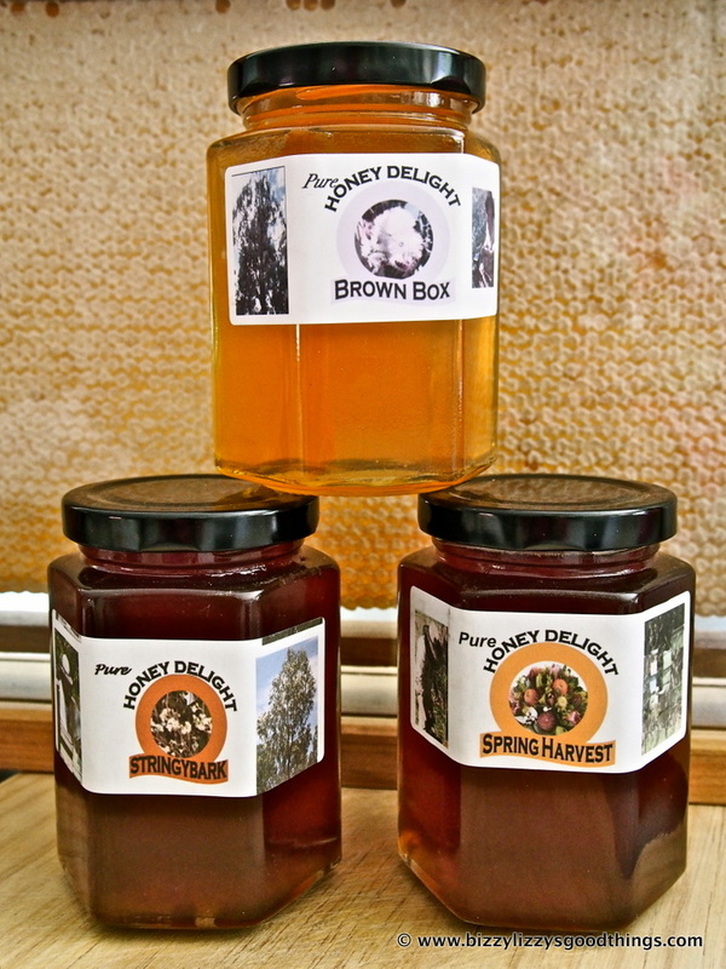 A selection of honey varieties from Honey Delight with honeycomb in the background The buzz, or a few interesting facts...
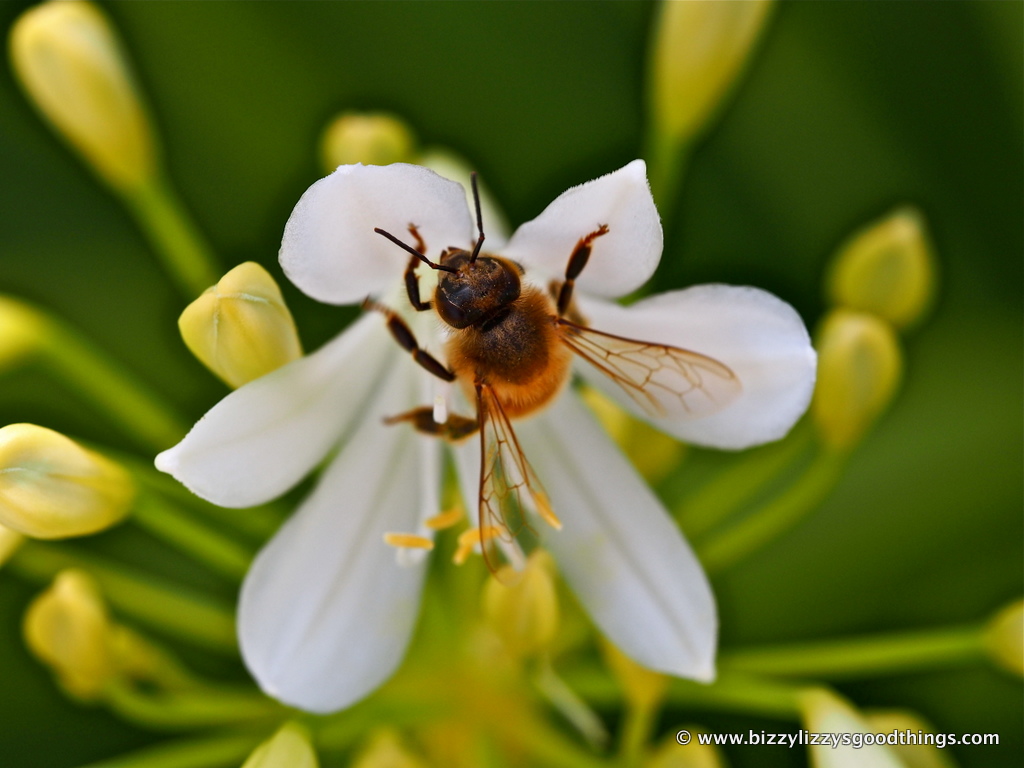 Bee explores an agapanthus flower 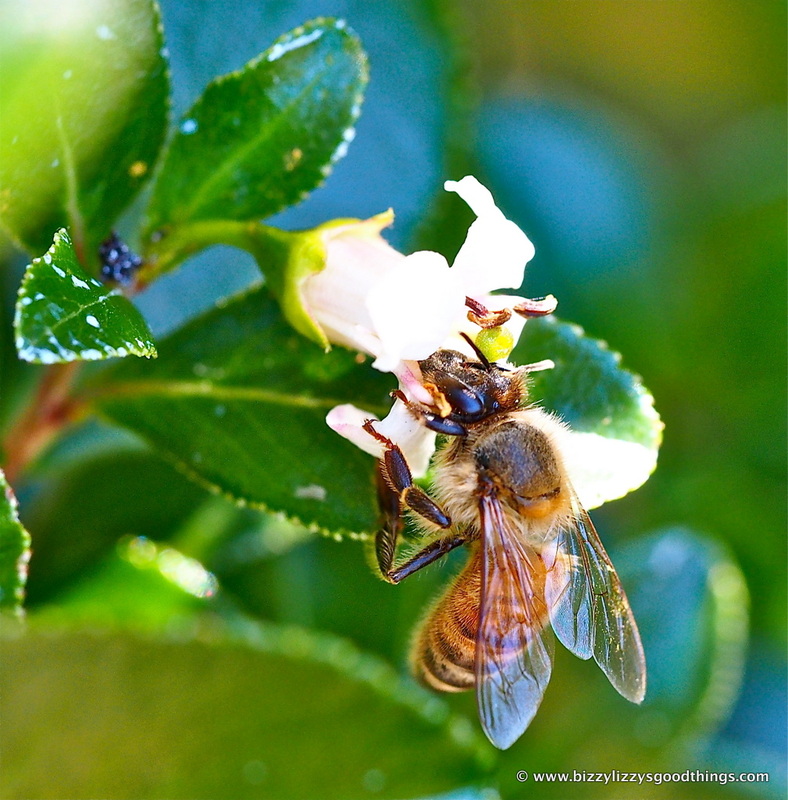 Carmen tells me this is either an old or malnourished bee, signified by his 'bald spot'. Healthy bees are fat and furry. A few of the plants that will attract bees to your garden*... In my endeavour to 'bring back the bees', I've spent time dead heading the existing lavender bushes (the ones that were a favourite with our bees), as well as planting out more varieties of lavender in pots in the courtyard. I've also planted a dozen or more miniature sunflowers in the courtyard as well as in amongst the vegetable patch. UPDATE: the bees are now visiting the courtyard, they seem to like the sunflowers! Yippee. Other plants to attract bees are:
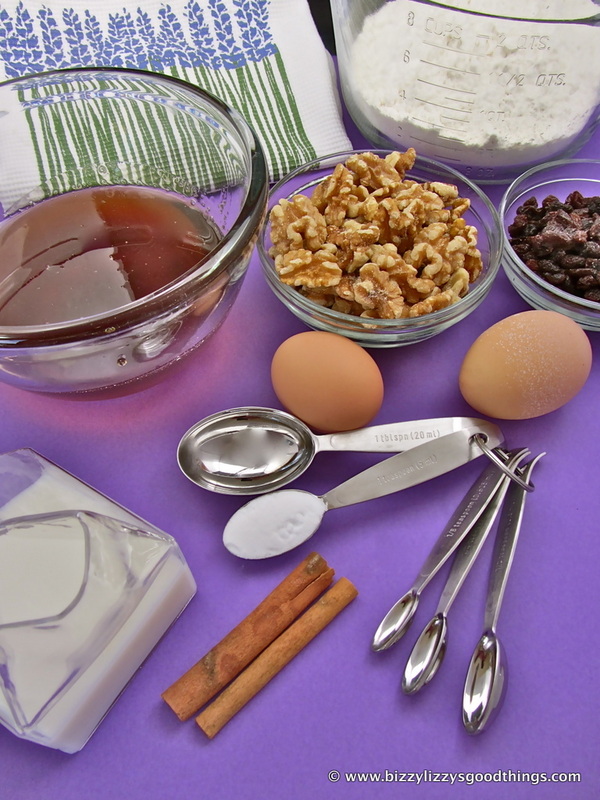
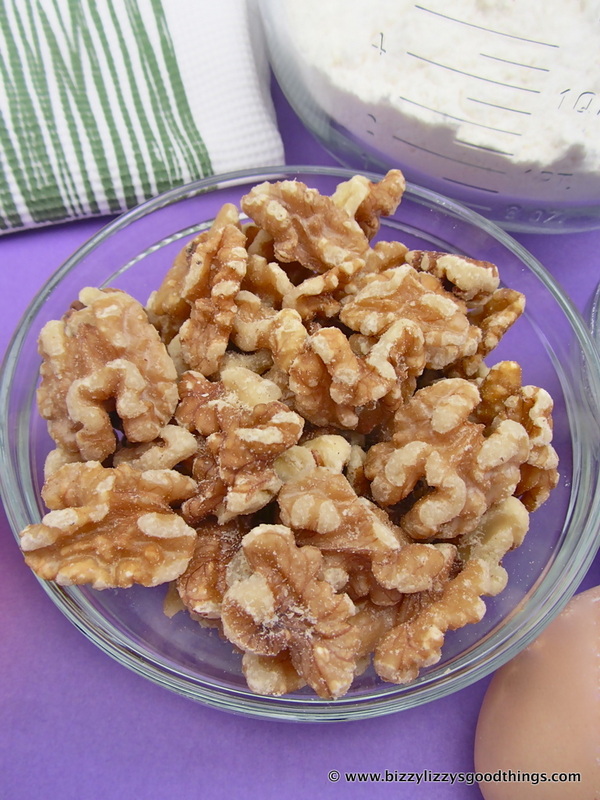
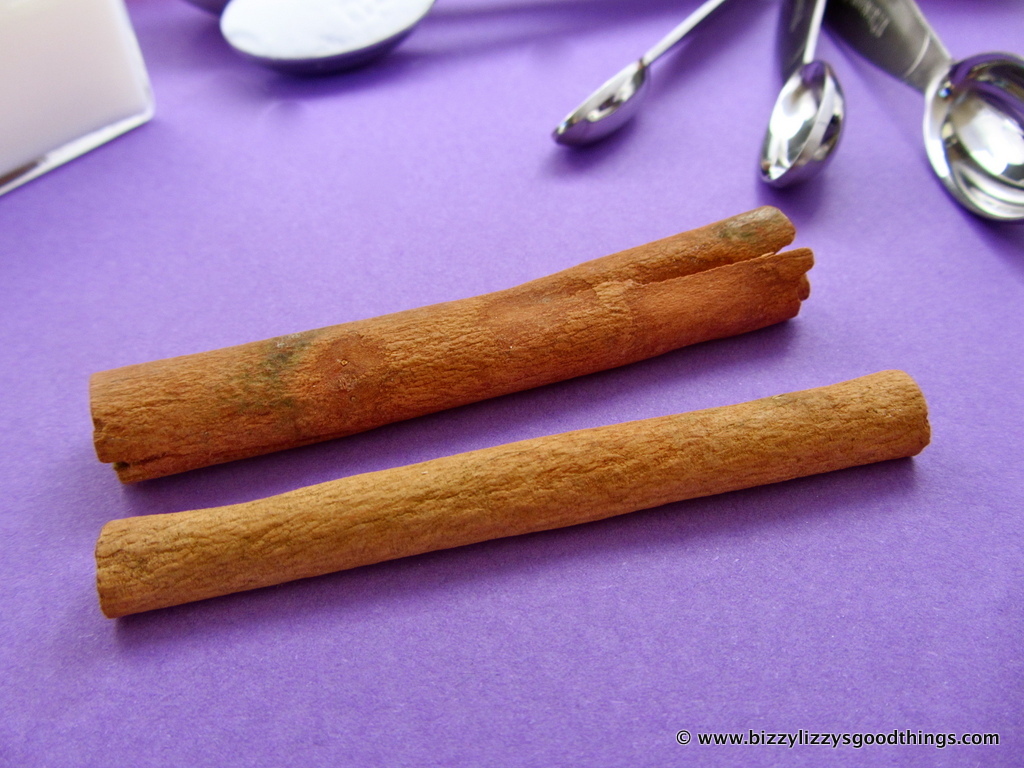
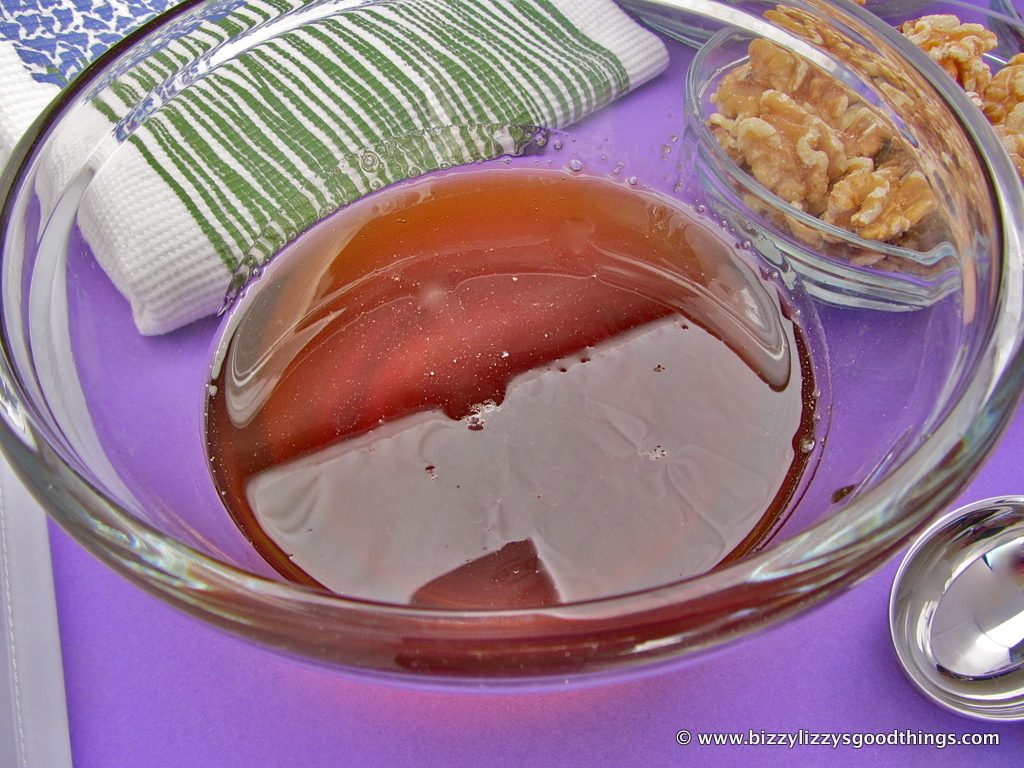
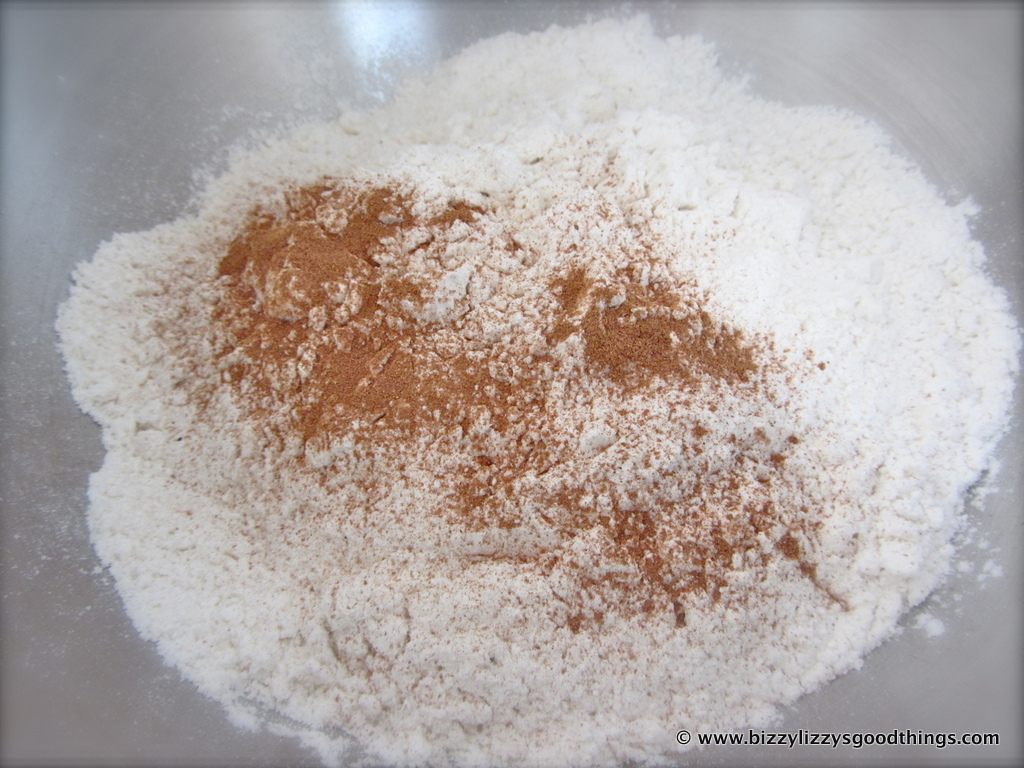
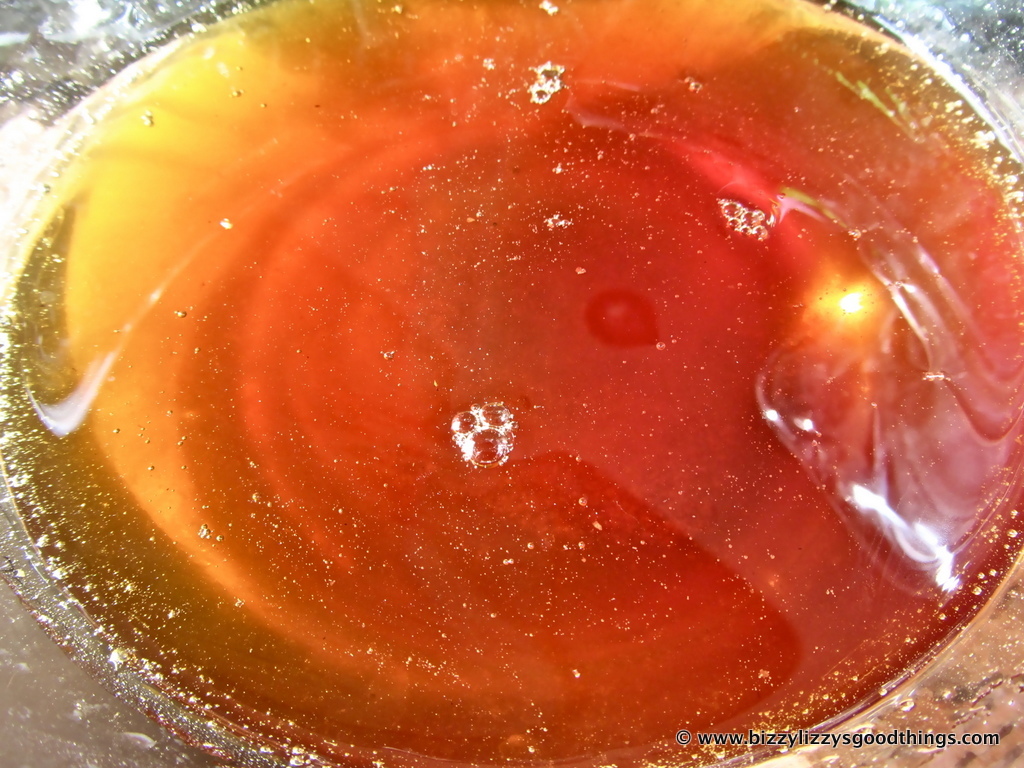
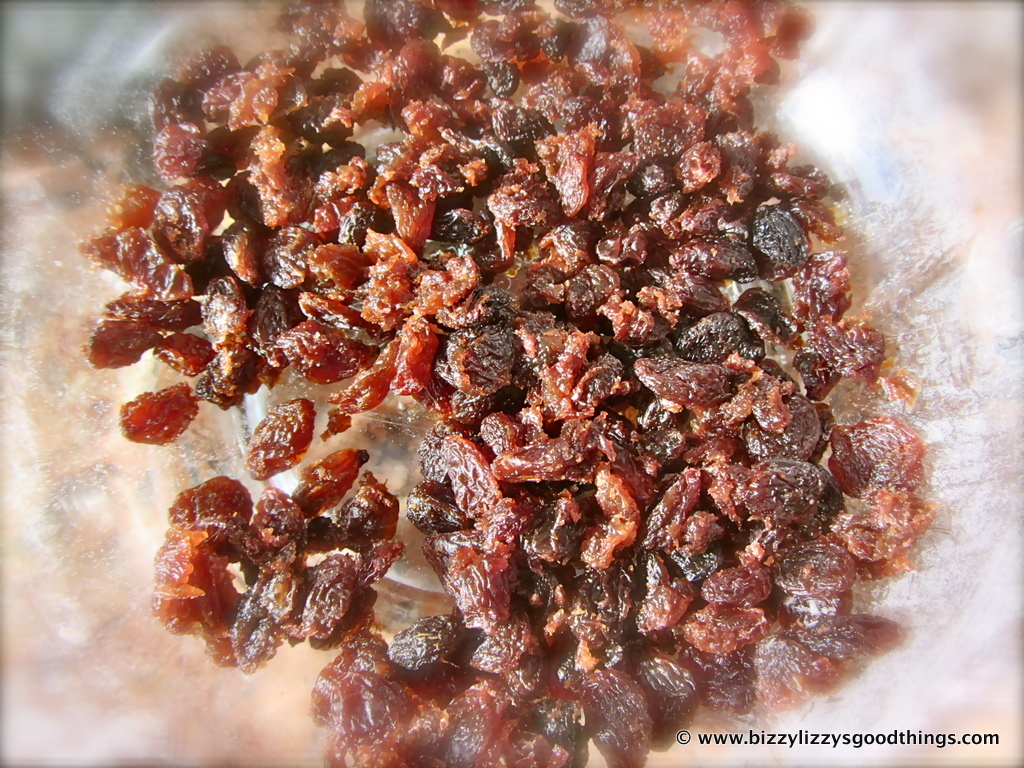
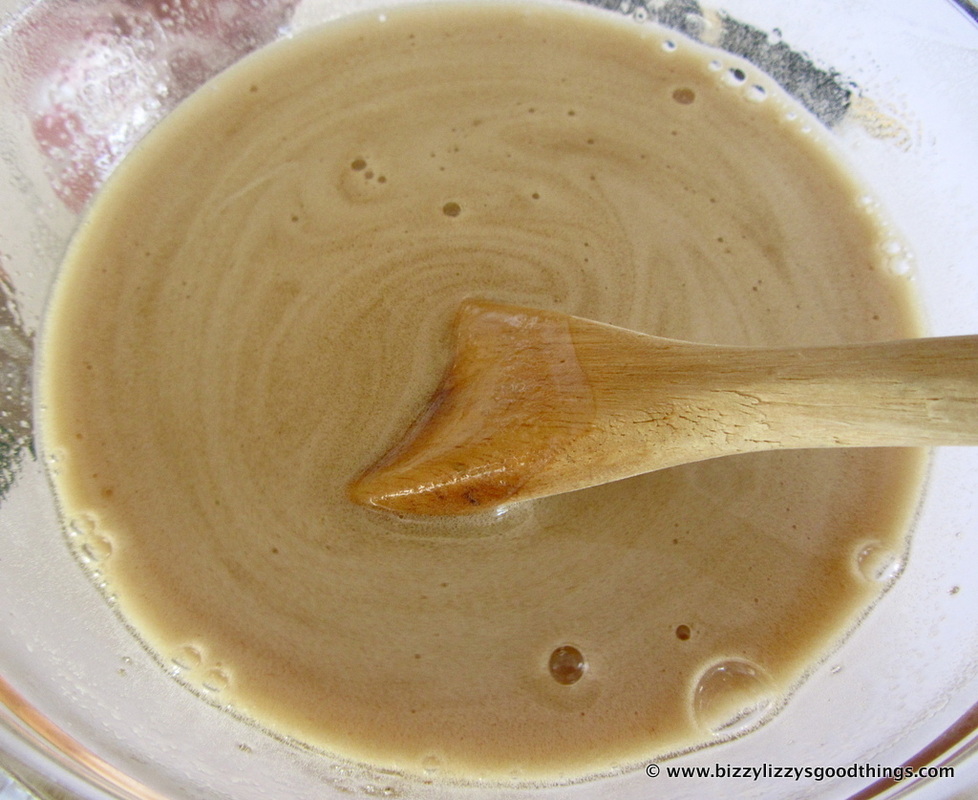
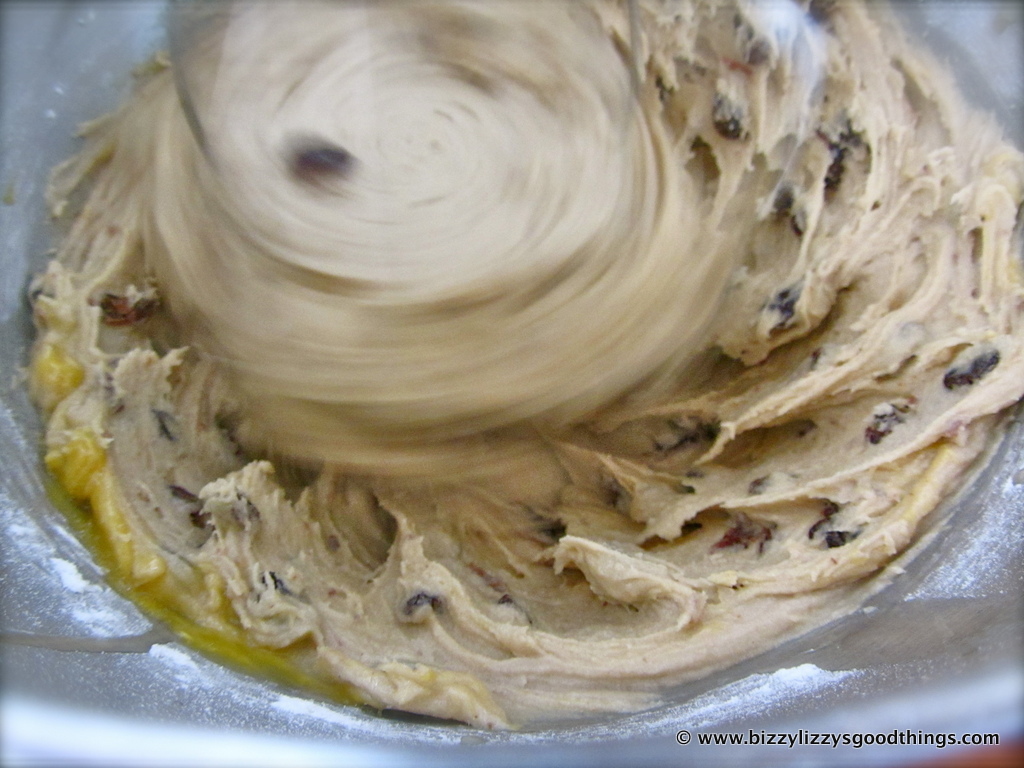
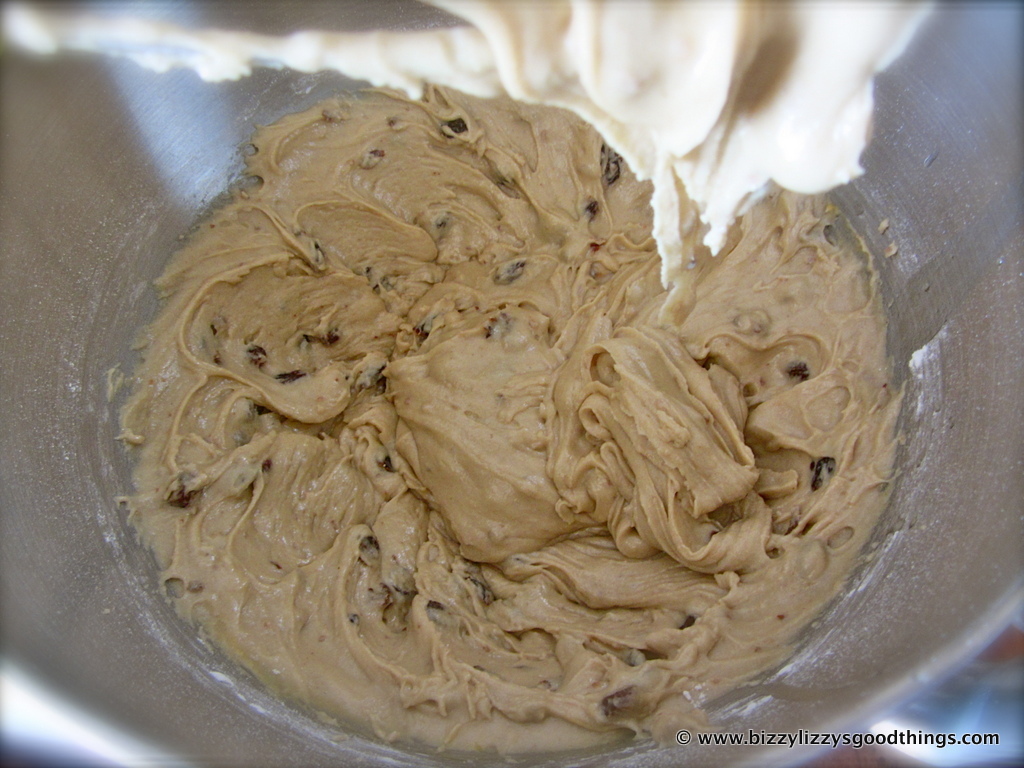
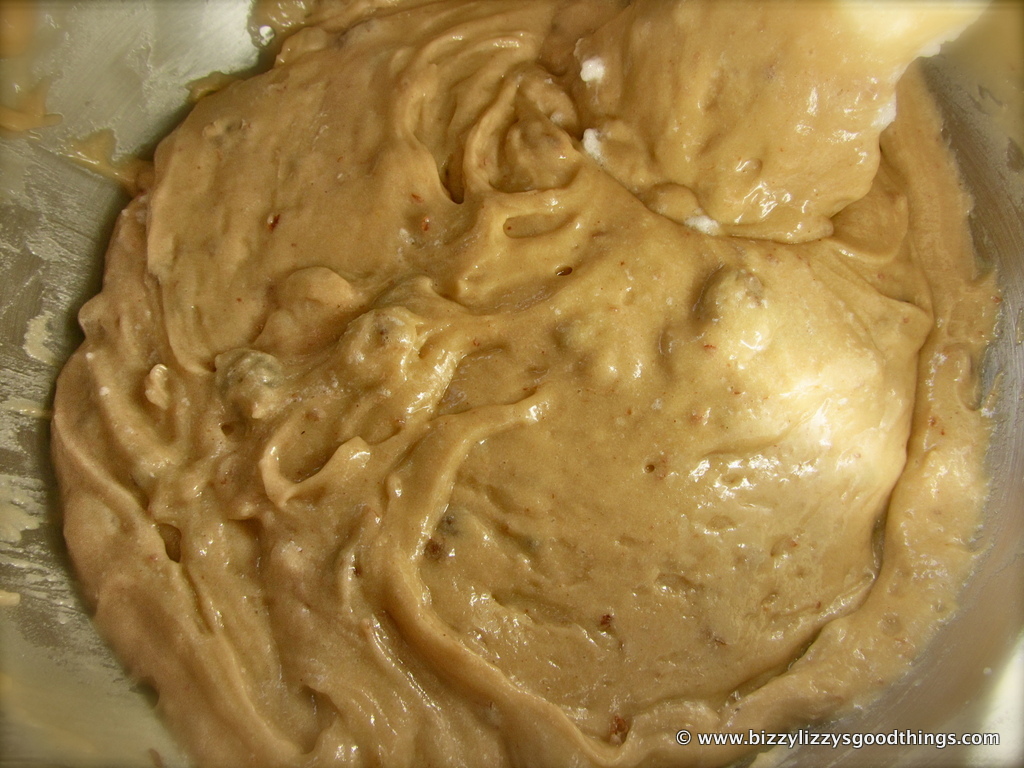
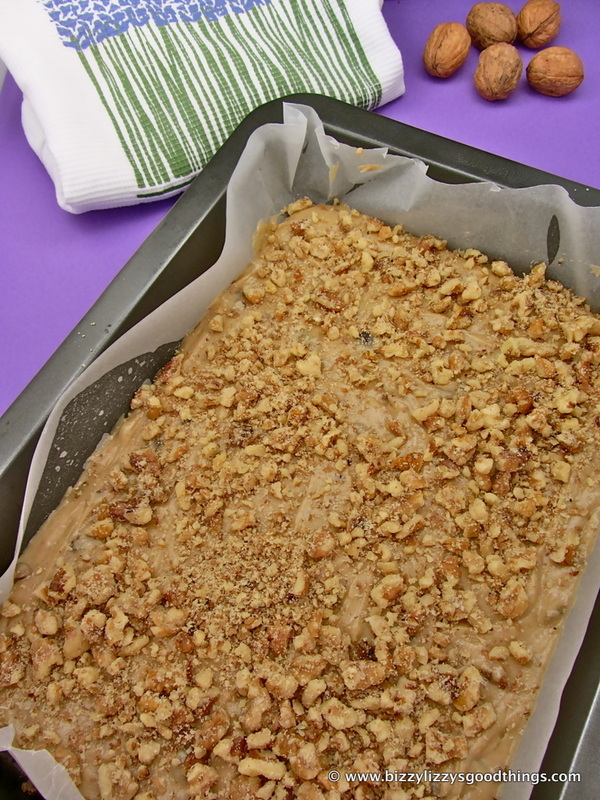
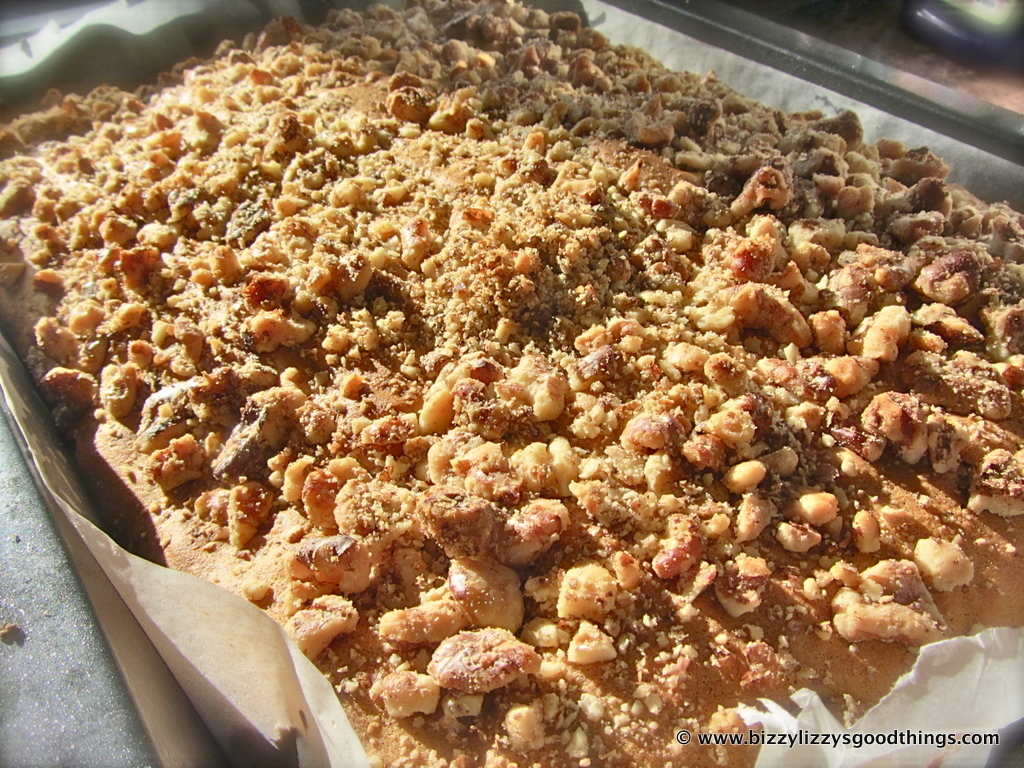
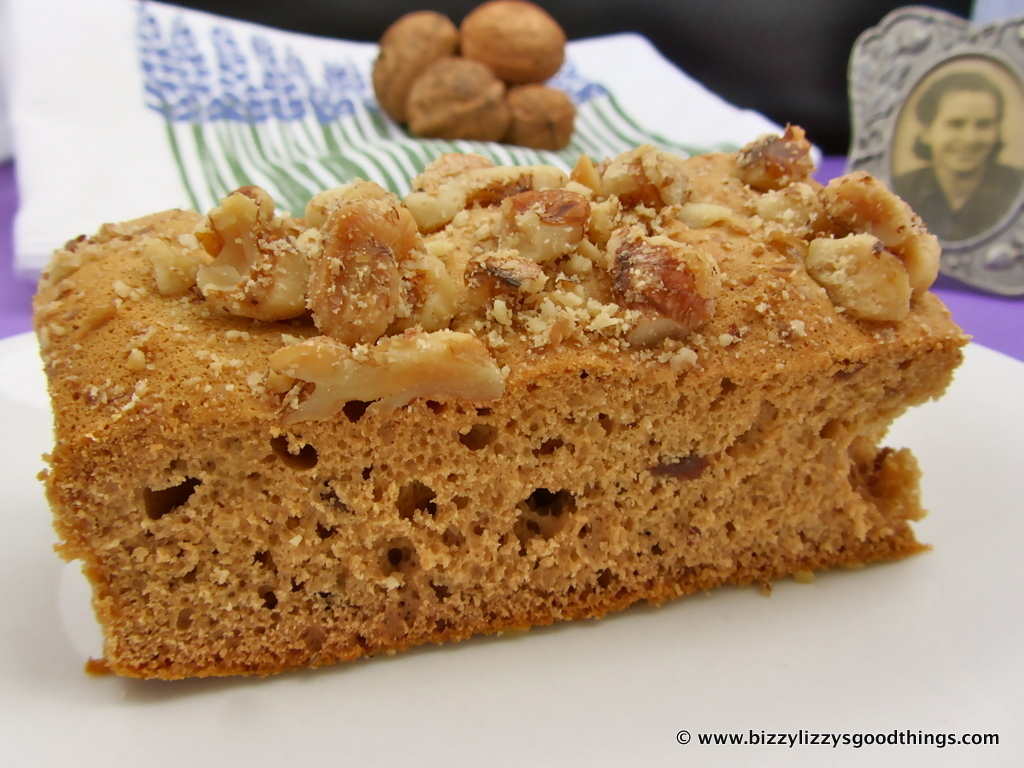
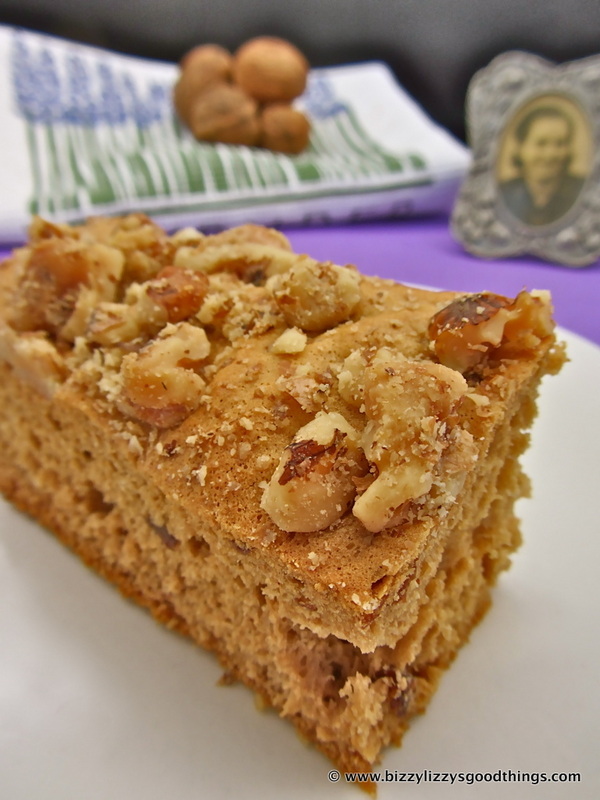
* Source ACT Beekeepers Association and Amazing Bees For more information about bee friendly planting, there is an informative free PDF download here from the RIRDC. 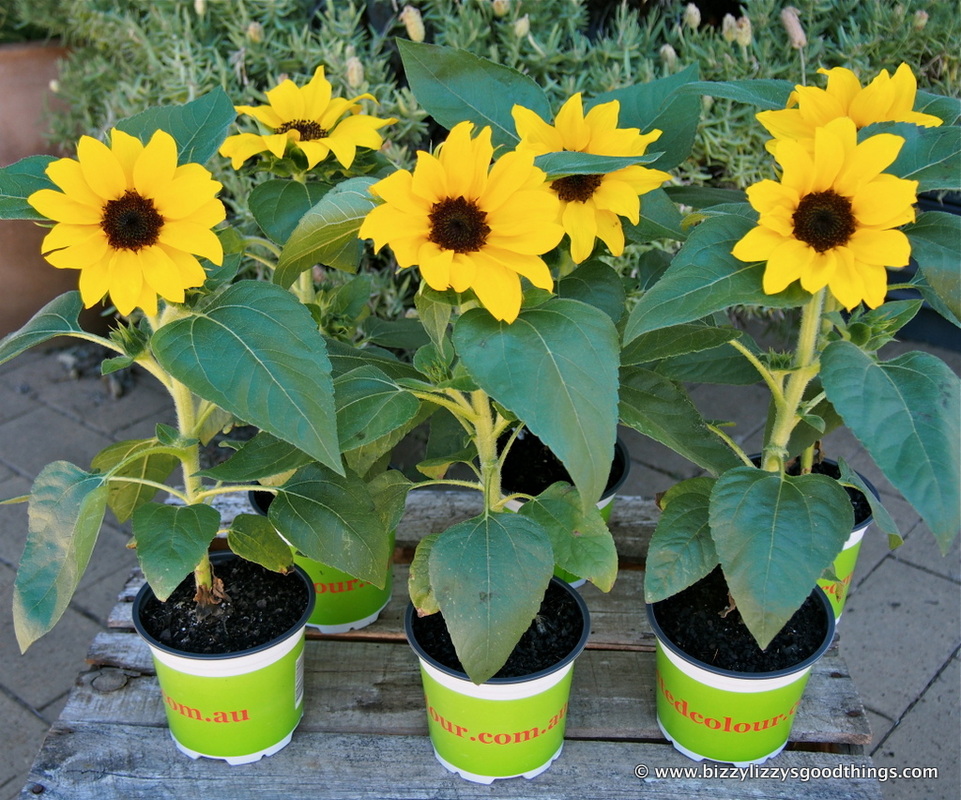 Dwarf sunflowers (Helianthus) 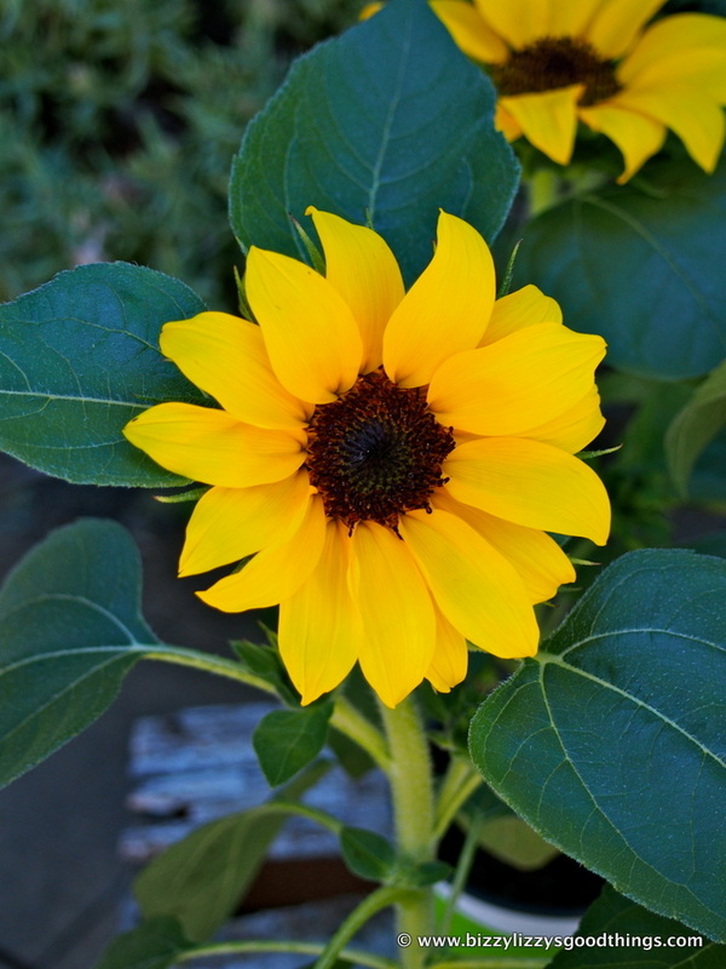 Bee friendly and also 'happy' flowers 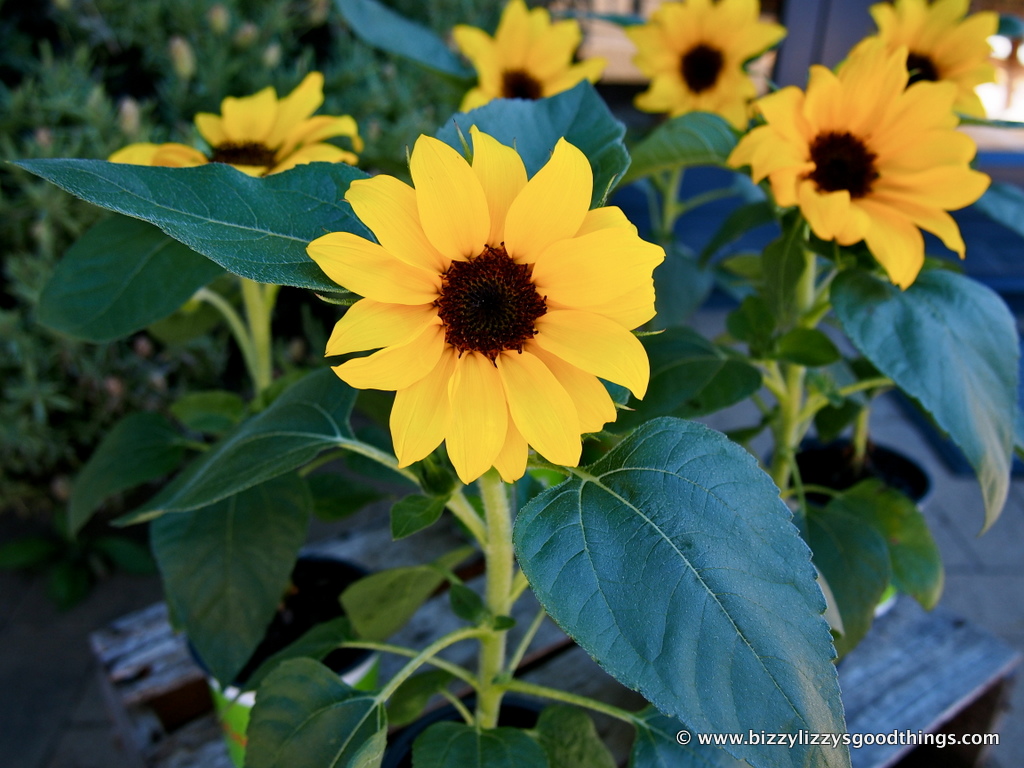 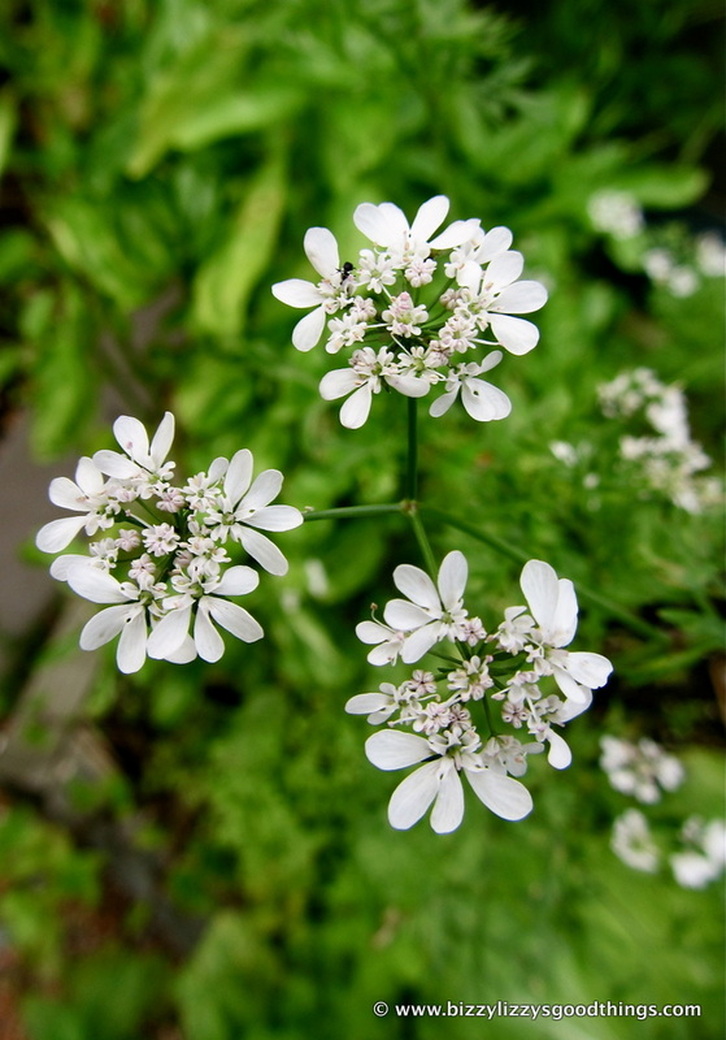 Flowering herbs, such as coriander and chervil  Pig face (Carpobrotus glaucescens) flowers also attract bees 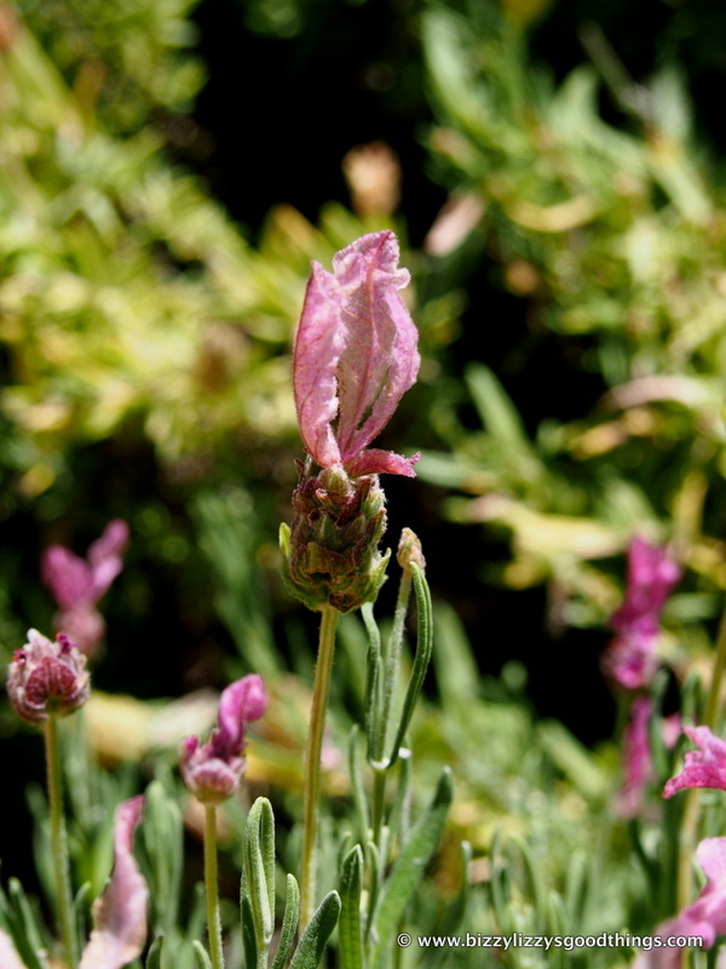 Varieties of lavender, including Princess Lavender (Lavandula peduculata) 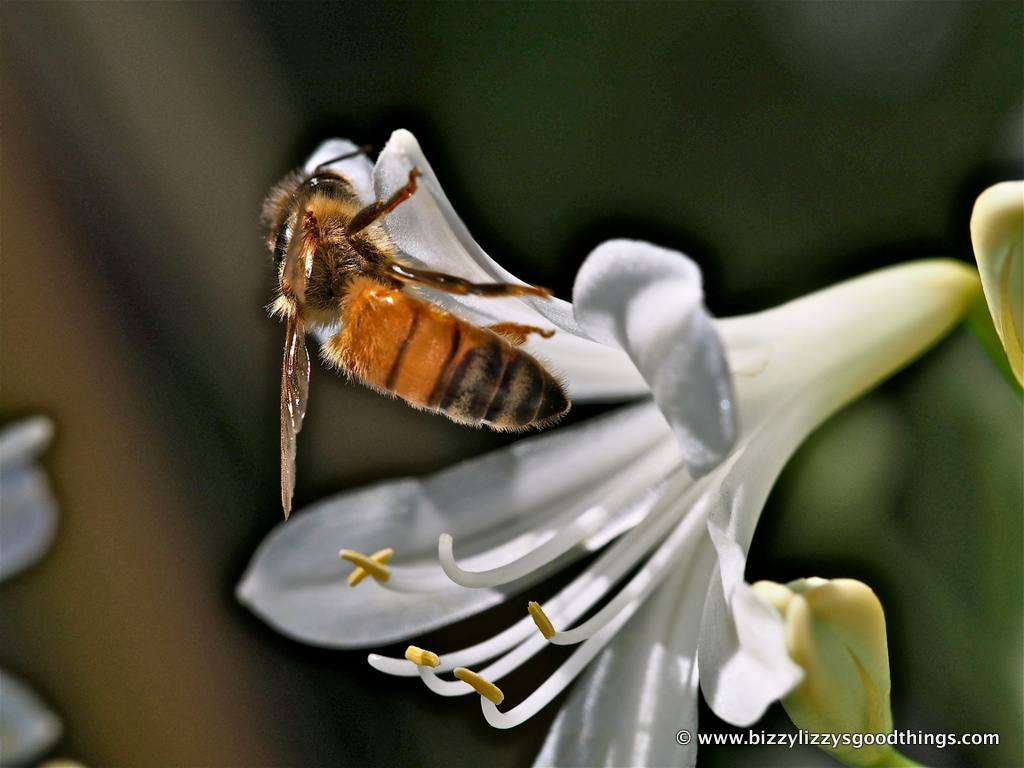 Bees seem to enjoy agapanthus flowers My mother's Honey Cake... Speaking of bees and honey, my beloved mother's recipe for this delicious honey treat makes quite a large slab of sweet and nutty cake. It's a favourite of mine and I'm delighted to share her recipe with you. IREN'S HONEY CAKE (Mézes) 500g jar pure honey* 1/4 cup milk 1 teaspoon bicarbonate of soda 3 cups plain flour 2 eggs, separated 1 teaspoon ground cinnamon 1/2 teaspoon mixed spice 1/2 cup sultanas, chopped 150g light walnuts, crushed Preheat oven to 170 degrees C. Heat the honey in a saucepan, but do not allow it to boil. Dissolve the bicarbonate of soda in the lukewarm milk and add to the honey, stirring until mixture is frothy. In a large mixing bowl, combine the flour, honey and milk mixture. Add the egg yolks, beating after each addition. Stir in the spices and sultanas. Beat the egg whites till peaks form. Fold into the cake mixture. Pour into a greased and lined 32 x 24 cm lamington or slab tin. Sprinkle liberally with the crushed walnuts. Bake in a moderately slow oven for 30 - 40 minutes till deep in colour and the cake springs back when lightly touched. Allow to cool and cut into small squares/rectangles/diamonds to serve. *Stringybark honey is great in this recipe. Pure honey = no additives such as glucose or rice syrup, which can be found in some imported honey. The process in pictures...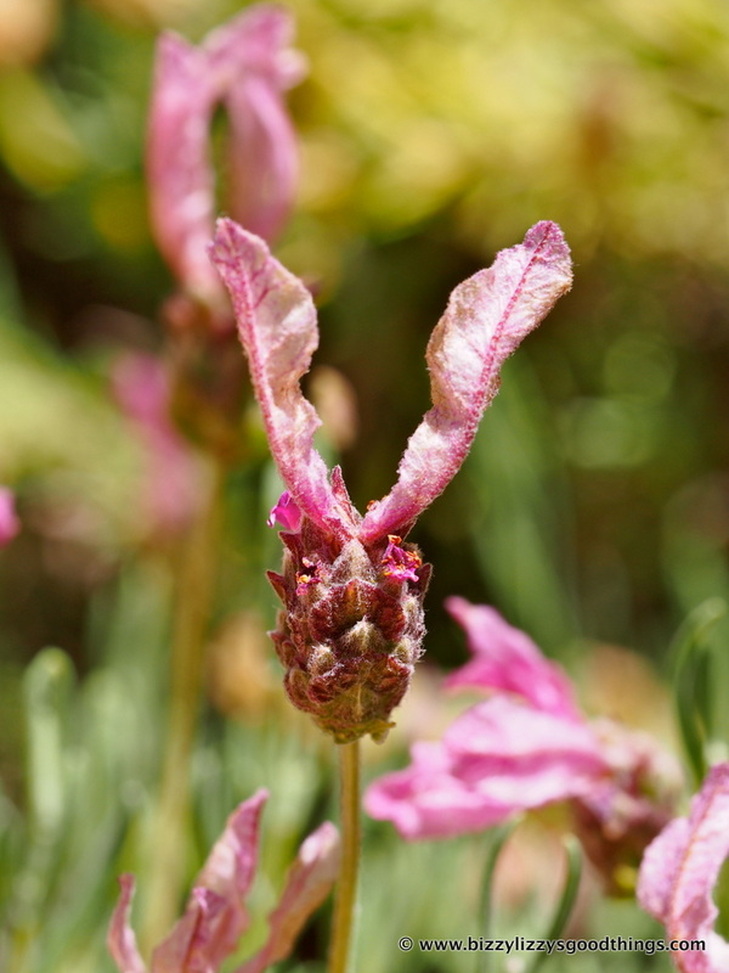 The beautiful flowers of the Princess Lavender in my garden... waiting, waiting, waiting for bees Photographing bees is not easy... I've been 'playing' with my new Olympus OM-D Digital and, in particular, my new Olympus macro lens. If you would like to see the work of a master bee photographer, visit the web site ofEric Tourneret.  Do you have bees in your garden or urban environment? Have you noticed a decline in the bee population in your area? What are you doing in an endeavour to bring back the bees? Are you interested in urban beekeeping?
Incidentally, if you would like to become involved in urban beekeeping, there are other groups in Sydney and Melbourne, as well as other cities. Search Google and I'm sure you will find something in your part of the world. 29/12/2012 03:37:37 pm
Those are some great close-up shots! You are right—they are very hard to photograph. Always moving so quickly...
Lizzy
29/12/2012 03:52:04 pm
Hi Alan, it's like a yoga workout! Glad to hear you are involved in the project. I'm in Harrison, so hoping you send your bees my way!
Peter
29/12/2012 04:26:13 pm
Carmen and Lizzy, how old is an old bee?
Carmen
29/12/2012 04:26:36 pm
Peter and Lizzy
Lizzy
31/12/2012 01:49:49 pm
And an update, very pleased to report that we have spotted a few bees on the sunflowers in the courtyard! Woooooo hoooooooo. Talk about bee-ing happy!
Lizzy
1/1/2013 08:50:00 pm
Re Susan's YAY below... indeed! We saw more bees on the daisies today!
Lizzy
29/12/2012 07:48:23 pm
Why, thank you Carmie! Buzzy Lizzy is my middle name ; D 29/12/2012 07:39:08 pm
Fabulous photography Lizzy particularly of the bees at work! Great post, too. I love the idea of keeping bees - we used to have a hive at our community garden. I really got into honey at that time - home-grown honey is simply the best. I'll have to find Sydney's equivalent of the Canberra Honey Project - maybe it will be my 2013 project (thanks for the inspiration!) I also adore honey cake (though never made it with a whole jar) - can't wait to try your mum's recipe!
Lizzy
29/12/2012 07:49:07 pm
Rachel, my pleasure... enjoy your 2013 project. Let me know if you do make the cake... incidentally, it makes a large slab, not a tiny cake ; D 29/12/2012 09:16:10 pm
That was such an interesting story! I didn't realise that bees were on the decline :0! I live the idea of huge urban bee keeping. I don't seem to have many bees in my garden either??? I will have to make an effort to put in more bee friendly plants.
Lizzy
31/12/2012 10:11:36 am
Thank you... they are indeed on the decline. Glad my story has enlightened you... bee happy ; D
Lizzy
31/12/2012 10:12:03 am
Hi Moya, thank you... Turkish honeycomb, how interesting! Thanks for stopping by ; D 31/12/2012 09:48:10 am
Another detailed and informative post from you Lizzy! Bees are amazing creatures aren't they? The photos from your new camera are lovely, so clear! The honey cakes looks delicious. I have a lot of bees in my vegetable garden, they are very welcome visitors. Happy New Year!
Lizzy
31/12/2012 10:12:54 am
They are indeed, Jane! I could watch them for hours on end! Loving my new camera, still learning how to use it though. Glad you have lots of bees in your vegie patch. I wish mine would come back ; ( Happy new year my friend.
I don't know where to start! I love the urban bee idea and I'm sad that it didn't work for you. It wouldn't work for me either but one day maybe it will once we move to a place with a larger garden.
Lizzy
31/12/2012 01:49:06 pm
Hi there Maureen, I've been wondering where you've been, saw your blog, very cute! Thank you for your lovely kind words... my mum would be chuffed. The cake is kinda spongey, so expect that... it seems to get better the next day. Happy new year my friend xox 31/12/2012 02:53:24 pm
I love honey and baking with honey. Your mother's cake looks and sounds delicious. Happy New Year, LIzzy!
Lizzy
1/1/2013 07:11:04 am
Happy new year, Laura... thank you... enjoy. 1/1/2013 04:33:00 am
I am with you all the way on this one. Where I live, in Alberta, we provide 40% of the honey to Canada. I go to bee farms whenever I can and I have a vast collection of a variety of honey from my travels and locally. I use it on my scars, too! Great educational post and hopefully this situation will improve. It is a huge worry for all of us.
Lizzy
1/1/2013 07:11:42 am
Hey there Valerie! That's good to hear.... I hope there are many bees in your garden, my friend! Happy new year too xo 1/1/2013 04:34:23 am
I forgot to mention how edified I was by the photos, Liz! Outstanding!
Lizzy
1/1/2013 07:11:53 am
Wow thank you so much! ; D 1/1/2013 06:20:29 pm
Stunning photos Lizzy. And what a delicious looking honey cake!
Lizzy
1/1/2013 08:47:00 pm
Thank you Christine, thanks for popping in : D
Lizzy
1/1/2013 08:46:39 pm
Susan, thank you! That would be awesome... I hope your boss says YES! And thank you for your kind words, and for stopping by ; D
Lizzy
2/1/2013 08:39:23 pm
Hi Glenda, that doesn't surprise me, as I am afraid of being stung too! When we had scores of bees on the lavender just outside the French doors off the kitchen, we were a little anxious, as when we watered they became quite agitated. However, that said, now I really miss their presence! Thanks for stopping by. 2/1/2013 03:48:13 pm
I'd so love to be involved, and i even have some flowering trees that attract masses of bees in spring, but I'm allergic to bee stings :( The cake however, is something I can happily enjoy!
Lizzy
2/1/2013 08:39:51 pm
Hi Bec... allergic is not good. My daughter is also allergic to bees. Happy new year by the way! 4/1/2013 05:52:26 pm
what an amazing project! i wish there was somethign like that in hobart - i shall investigate. i mainly see big fat bumblebees in my hobart garden - i'm not sure if that's a good thing, that variety - and they particularly like the deep blue aquilegias and larkspurs i let grow in the vegie garden.
Lizzy
11/1/2013 04:20:58 pm
Hello there! Oh, please do. How lovely that you have big fat bees in your garden. I am in awe. My pleasure. I am glad to have posted this story! Bee happy. ; D
Lizzy
12/1/2013 08:21:27 am
Incidentally, friends, RIRDC has a free download on bee friendly plants for your garden. Brilliant! rirdc.infoservices.com.au/items/12-014 Comments are closed.
|
Welcome...Üdvözölöm

Cooking and writing have been a lifelong passion. Join me as I share with you my favourite recipes; postcards and morsels from my travels; conversations with cookery writers and chefs; and news on food, cookbooks and cooking. - Liz Posmyk
All
NB: I use Australian standard measuring cups and spoons in my recipes.

Winner ABC's 2015 Australia Cooks competition,
ACT (mains category)



Meet the Chefs - recipes featured on Australian Asparagus Council website
|