Vanilla and Saffron Pear Compote 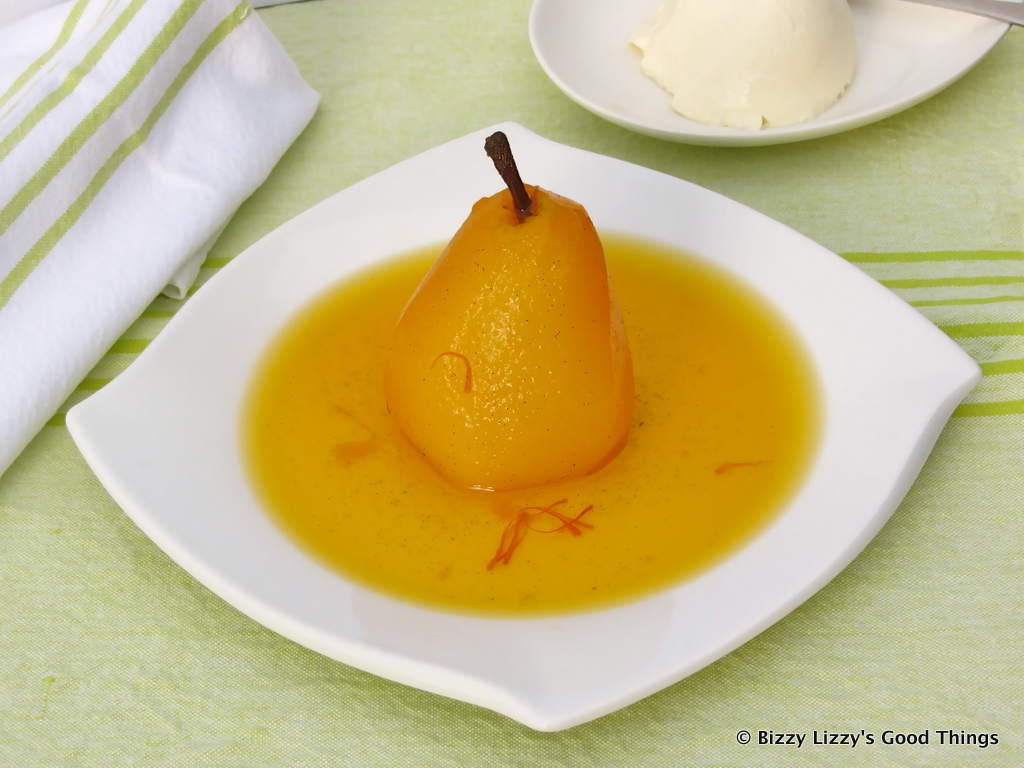 Vanilla and Saffron Pear Compote a la Lizzy. C'est magnifique! 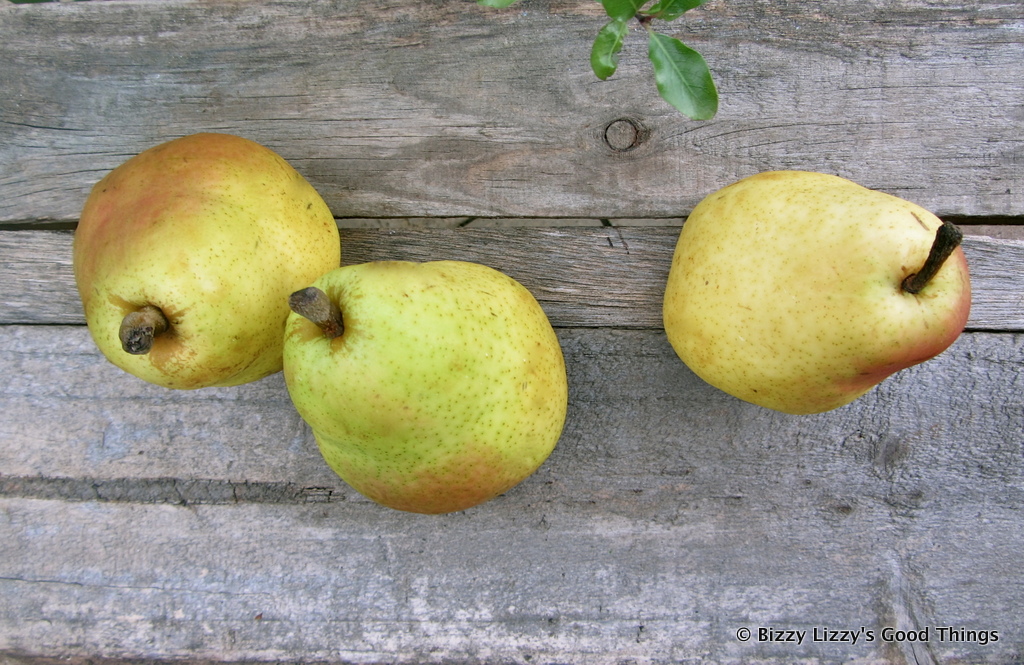 Celerating Australian Pear Month - pick a pear! Australian pear growers are celebrating the start of a bumper season with the launch of the first ever national Australian Pear Month. Williams', Red Sensation, Beurre Bosc and Winter Nelis are in plentiful supply, so pop an armful of pears into your basket at your farmer's markets this month. Since ancient times, pears have been considered an exquisite fruit. Succulent pears in jelly, pear preserves, pears cooked in wine and a syrup of vinegar and honey were popular for the feasts of the Byzantines. The Romans sang of the golden treasures of the bush pear; and the Greek poet, Homer, mused about it . As the kings of Persia declared pears a royal delicacy, the French emperor Charlemagne ordered each of his subjects to plant pear trees in their gardens. Pears are picked when fully developed but still firm, and will continue to ripen off the tree. So if you've bought pears which are still hard, let them ripen naturally at room temperature and note that pears ripen from the inside out. To test for ripeness, gently press the flesh of the pear near the stem. If it gives, it is ready to eat. Williams' will ripen within one to three days, whereas Packhams and Beurre Bosc within three to eight days. You can hasten ripening by placing pears in a brown paper bag with a banana or an apple. Iconic cook and pear grower, Maggie Beer, says 'I am lucky enough to have my own pear orchard, but with pears in season now everyone can enjoy this versatile fruit in endless savoury and sweet combinations. The quality, flavour and freshness of Australian produce is second to none. Where possible, Australians should buy Australian produce and support the local industry.' For more information about Australian pears, National Pear Month and an assortment of pear recipes, visit Horticulture Australia's rediscover pears website. This snippet is my entry in What Can You Pair with a Pear challenge. It's a dessert that I've been cooking for many years and was originally inspired by a combination of my mother’s beautiful pear compote and a lovely dish by Geoff Jansz. The pears are gently poached in a light sugar syrup infused with aromatic vanilla and saffron. I love serving this compote with a dollop of good quality sour cream or crème fraîche. Have you tried serving sour cream with your desserts? VANILLA AND SAFFRON PEAR COMPOTE 4 Williams’ or Beurre Bosc pears 2 cups natural apple juice* ¾ cup raw sugar 1 cup water 1 vanilla bean, split ¼ teaspoon saffron strands juice of half a lemon Peel the pears and remove the core at the base with a melon baller, taking care to leave the stems intact. Place the pears onto a plate and sprinkle with a few drops of lemon juice to prevent them from browning. Combine the apple juice, raw sugar, water and vanilla bean in a deep saucepan and stir over a medium heat until the sugar dissolves. Lower the heat (or use a heat diffuser), add the pears and saffron and poach for an hour, basting the pears gently every so often. The idea is to very gently poach the fruit in the syrup, and not allow it to boil. The pears will remain intact and the flesh will be perfectly delicious. Allow to cool. Serve chilled with sour cream or crème fraîche. The compote is perfect refrigerated for several hours or overnight. Serves 4. *Use a preservative free, natural apple juice. I recommend Preshafruit 100% apple juices. They contain no concentrates, no preservatives, no sweeteners and no colours. 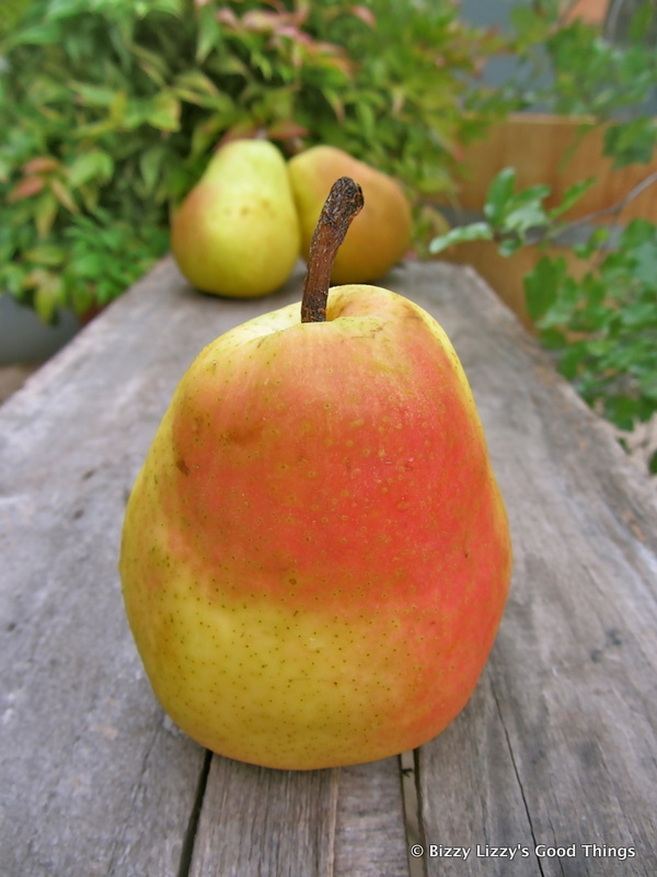 Williams' Pears have a trademark golden colour 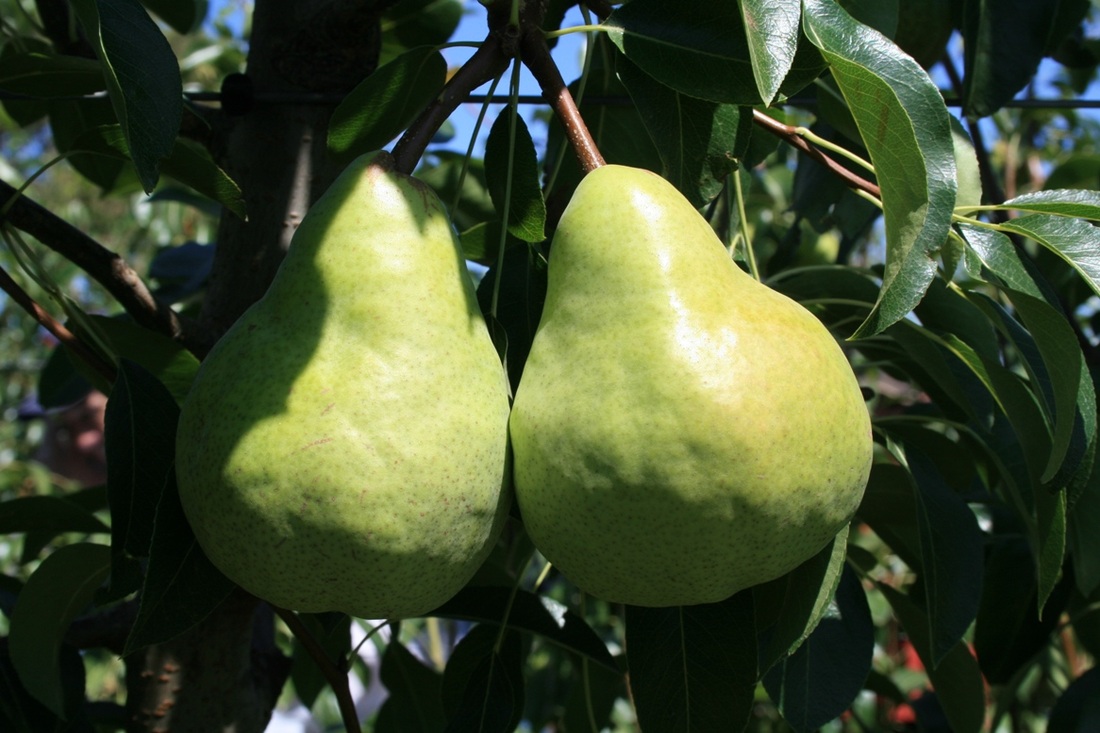 Williams' Pears will continue to ripen off the tree. Image courtesy Australian Pear Industry. Food facts: Williams' pears have been grown in Australia for more than 120 years and now make up 47 per cent of the total crop, which number around 130,000 tonnes annually! Williams' have a trademark golden colour as they ripen. Pears have a low glycemic index (GI), making them the ideal nutritious snack. 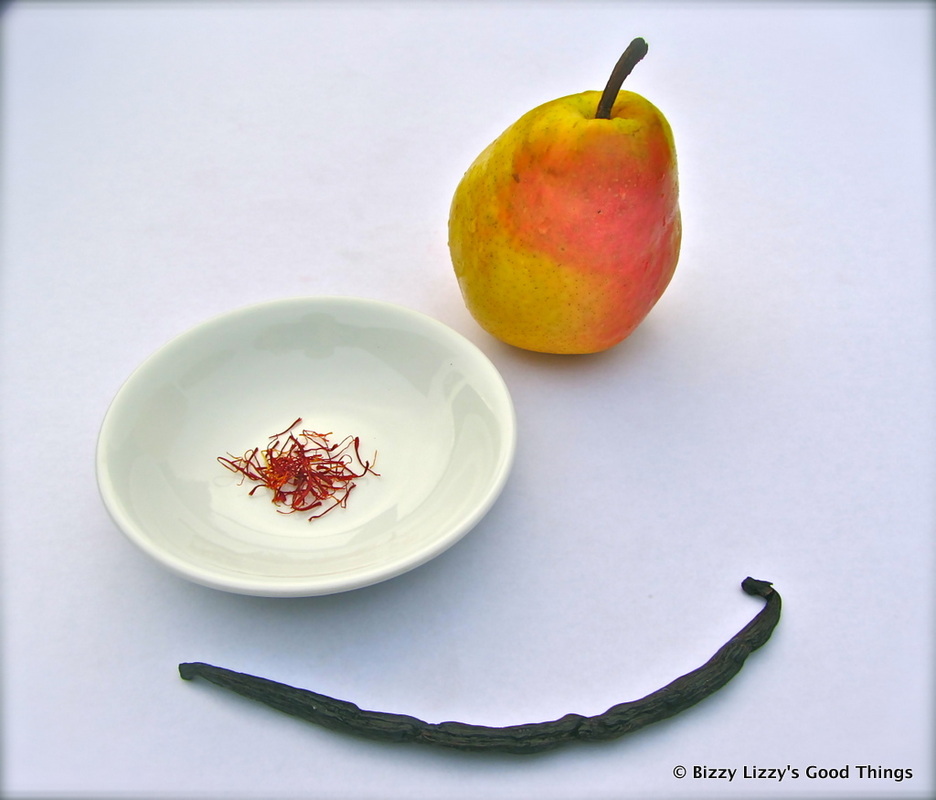 Enhanced by vanilla and saffron, pears are the stars of this dish Food facts: according to spice expert, Ian 'Herbie' Hemphill, there are around 100 species of culinary vanilla vine, or Orchidceae; the most important being V.planifolia. The tasteless vanilla beans or pods that form after flowering are dried and cured to bring out the natural vanillin enzymes. For more about vanilla, watch Herbie's fascinating video. 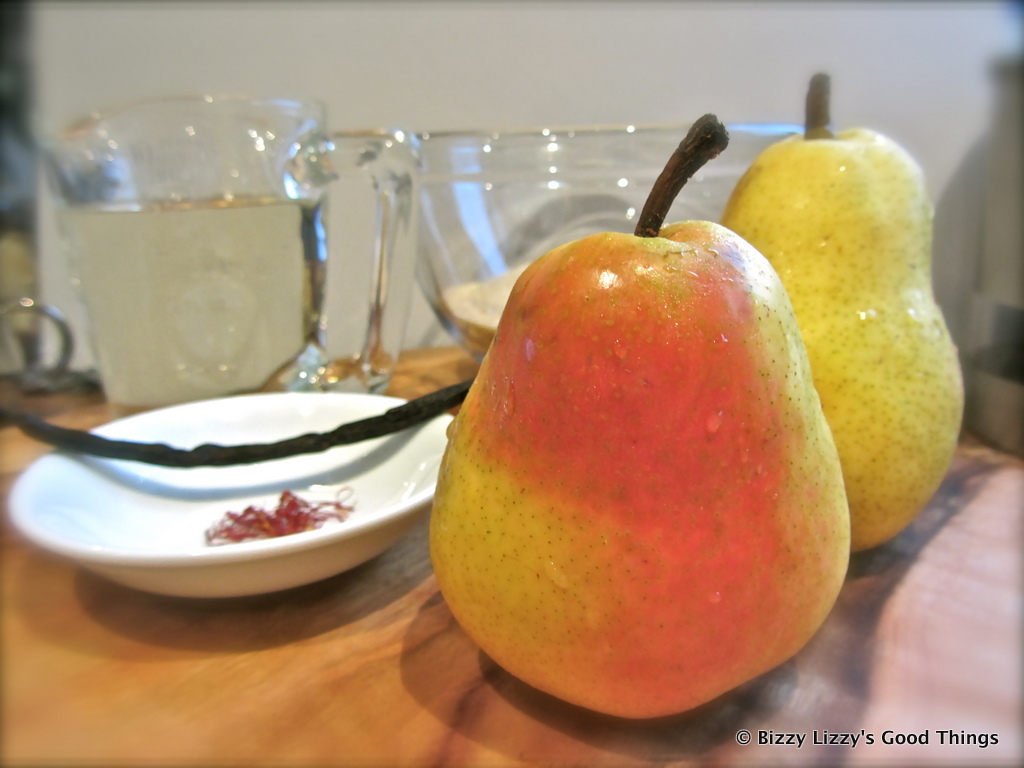 Pears, saffron, vanilla, brown sugar, apple juice and water 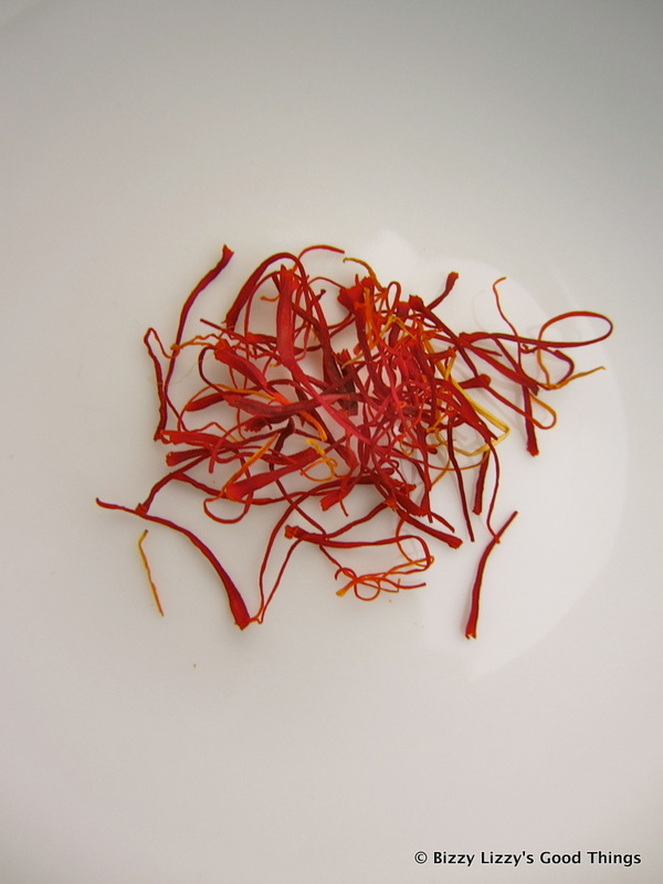 Saffron was once used to dye the robes of Buddhist monks Food facts: Saffron is native to Asia Minor and was once used to dye the robes of Buddhist monks. In Roman times, it was scattered at the feet of emporers, and sprinkled on the beds of well-to-do newlyweds. Saffron was introduced to the Spaniards by the Moors; and, according to Larousse, the "Bible" of food and cooking, the best saffron comes from Valencia in Spain. Saffron is grown in the US, England, France and the Mediterranean, North Africa, Iran, Kashmir, and also in Australia in the Huon Valley of Tasmania. More recently, a grower near Bungendore in NSW, Australia, is having success. Take a tour of Christine McMillan's farm here thanks to ABC Rural. 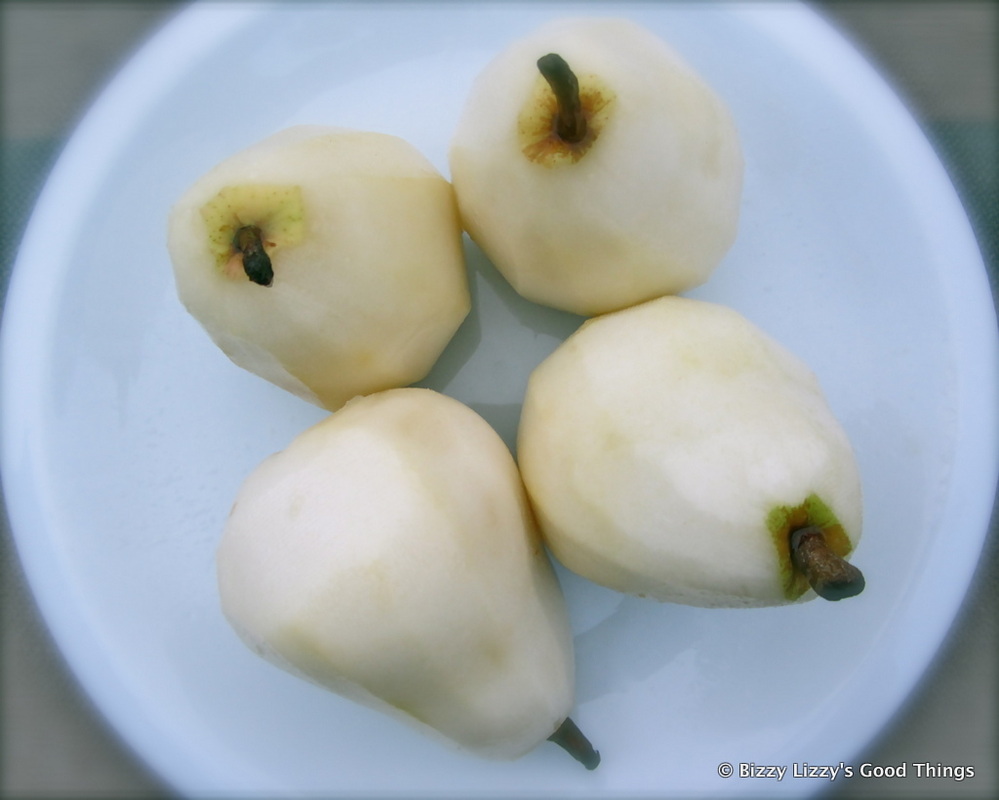 Peel the pears, taking care to leave the stems intact. Sprinkle with a little lemon juice to prevent browning. 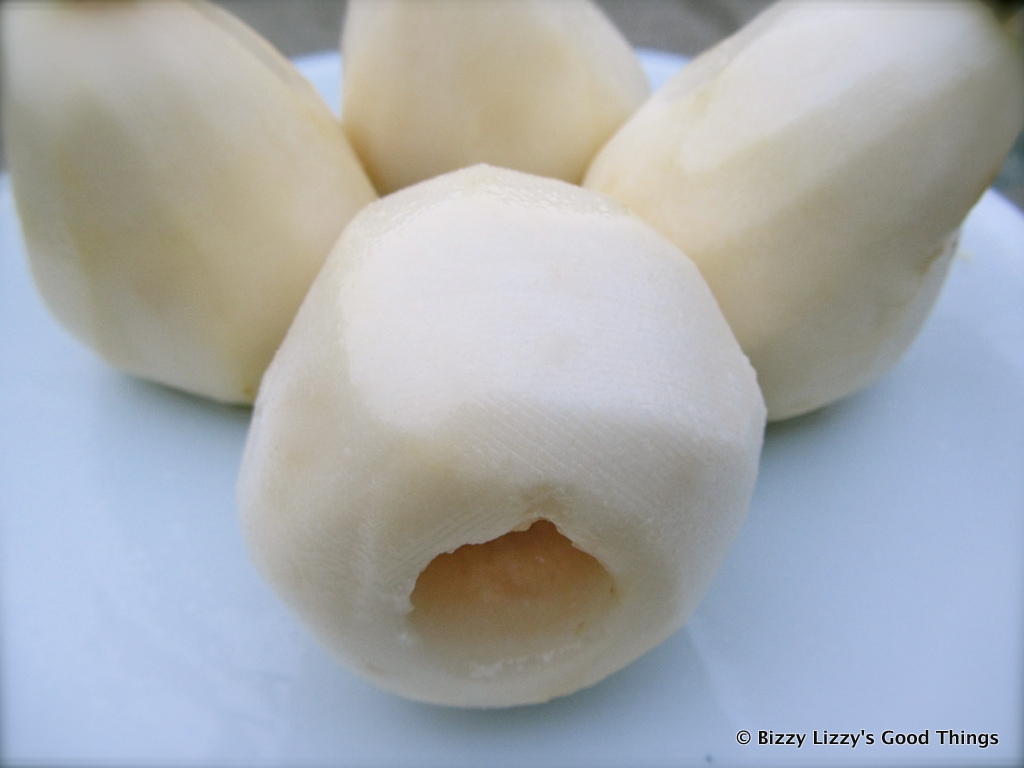 Remove the core with a melon baller 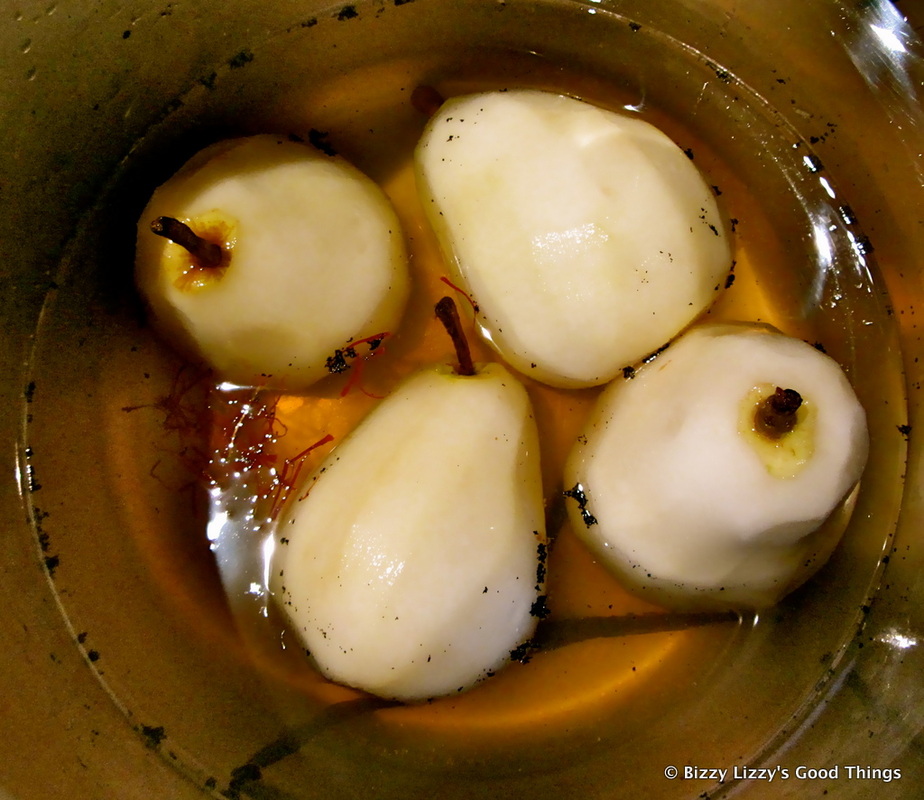 Once the sugar has dissolved, add the pears and saffron and poach for an hour, basting the pears gently every so often Et voilà! Vanilla and Saffron Pear Compote. C'est magnifique... even if I do say so. 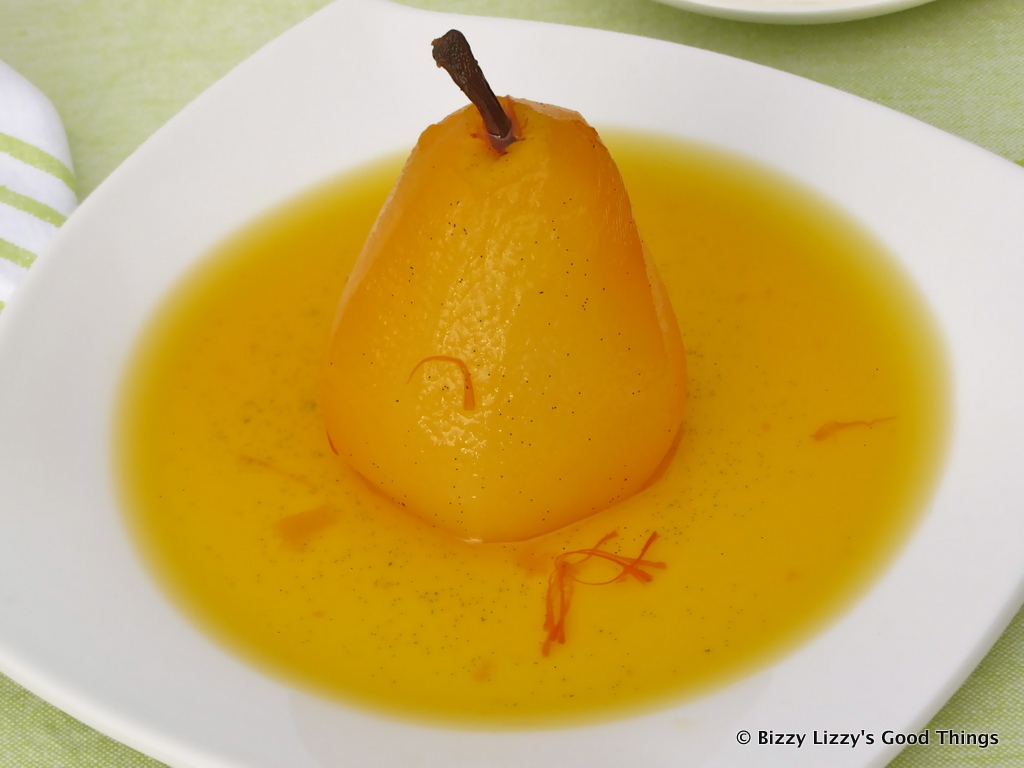 This recipe was inspired by a combination of my mother’s beautiful pear compote and a lovely dish by Geoff Jansz 
Lizzy
29/3/2012 06:42:41 pm
Thanks Jennifer, I love it too. Best of all is the exquisite texture and flavour! Hi Lizzy, What a delight being able to buy such fresh pears that actually taste like pears! Living in Bahrain we rely heavily on imports of fruits, which of course can taste nothing like it's supposed to taste. I do love a nice pear compote and yours looks really fresh and delicious and being a fan of saffron and vanilla this dessert has to be a winner. Serving creme fraiche with some of my sweeter desserts is a favourite of mine. :)
Lizzy
29/3/2012 07:19:51 pm
Hello Moya, that's unfortunate... I do so love fresh fruit and vegetables and I guess we sometimes take it all for granted! Thank you for your kind words. Please pop in again... would you like a glass of wine?
Lizzy
29/3/2012 09:33:39 pm
Hi Maureen, thanks for your kind words. Please support our growers and give this lovely recipe a try. It really is divine! 29/3/2012 08:47:25 pm
I'm always a fan of poached pears - have never tried them with saffron though!
Lizzy
29/3/2012 09:34:22 pm
Hello there JJ! Are poached pears lovely! I hope you will try my recipe. 29/3/2012 11:00:45 pm
Vanilla and saffron... what an interesting combination. I've never heard of them being used together but it sounds amazing. The brilliant yellow with the little vanilla specks is so pretty!
Lizzy
30/3/2012 10:38:38 am
Hi Claire, it is an interesting combination and the taste is exquisite. Do try it! Loved your entry too. 29/3/2012 11:31:36 pm
You had me at vanilla and saffron!! What a dreamy, elegant dessert. I just love it.
Lizzy
30/3/2012 10:39:12 am
Hello there Katherine from such a long way away! Thank you for your kind words. Loving your strawberry blog hop!!! 30/3/2012 08:59:49 am
I have my own little patch of Saffron that does quite well here too, and its just incredible fresh! Very nice recipe, all the flavours are so perfect together indeed.
Lizzy
30/3/2012 10:40:38 am
Well hello.... wow, really? I am wanting to know more about that... have you blogged about it? I must check right now. Feast magazine? I am not sure... had to stop buying all the mags for budgetary and space reasons *sad face*. Too many divine publications out there and I have sooooooo many cookbooks. Thanks for letting me know, I will check it out! 30/3/2012 05:07:49 pm
I love pears with vanilla. I've never thought to use saffron in a sweet preparation - what a great idea!
Lizzy
30/3/2012 05:14:00 pm
Laura, thank you! Do give it a try, I think you will be surprised. 30/3/2012 11:04:24 pm
What a fantastic recipe Lizzy! I love poached pears - I have some saffron in the cupboard that I brought back from Mauritius just waiting to be used.
Lizzy
31/3/2012 09:24:27 am
Hi Mandy... oh that trip sounds wonderful.... I bet the saffron is exquisite! Thanks for popping in ; ) Comments are closed.
|
Welcome...Üdvözölöm

Cooking and writing have been a lifelong passion. Join me as I share with you my favourite recipes; postcards and morsels from my travels; conversations with cookery writers and chefs; and news on food, cookbooks and cooking. - Liz Posmyk
All
NB: I use Australian standard measuring cups and spoons in my recipes.

Winner ABC's 2015 Australia Cooks competition,
ACT (mains category)



Meet the Chefs - recipes featured on Australian Asparagus Council website
|