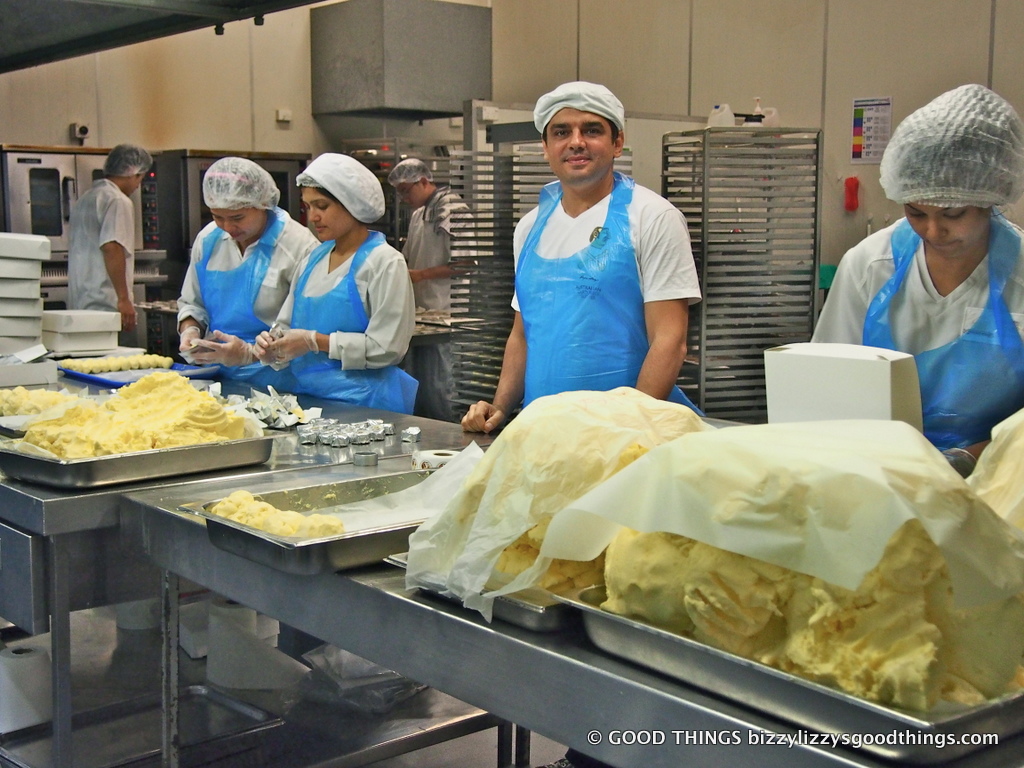
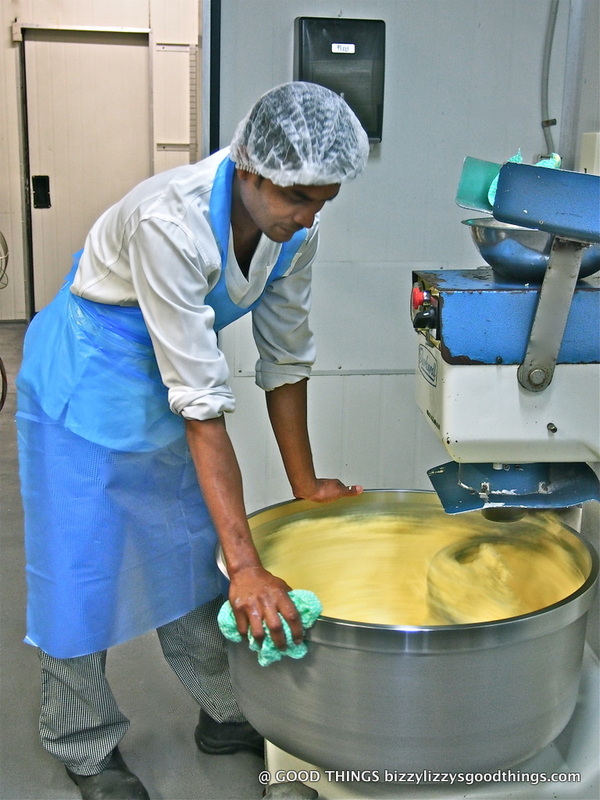
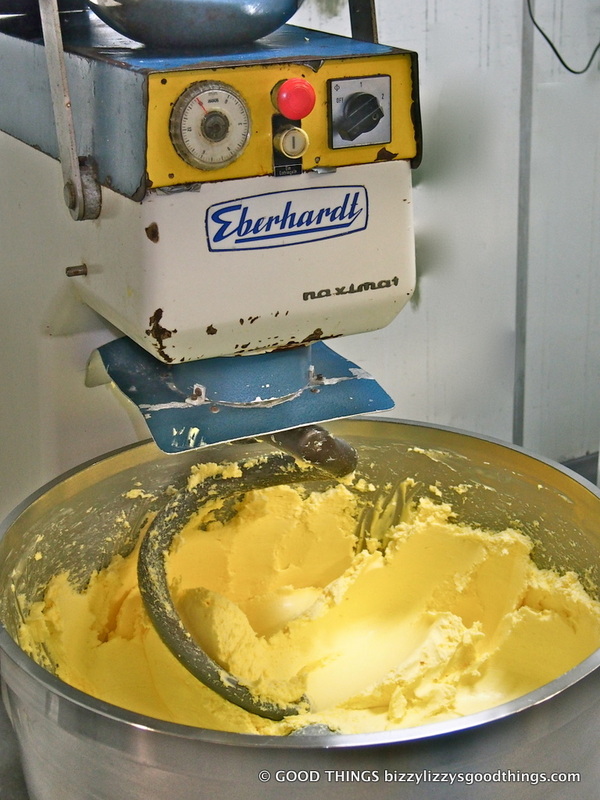
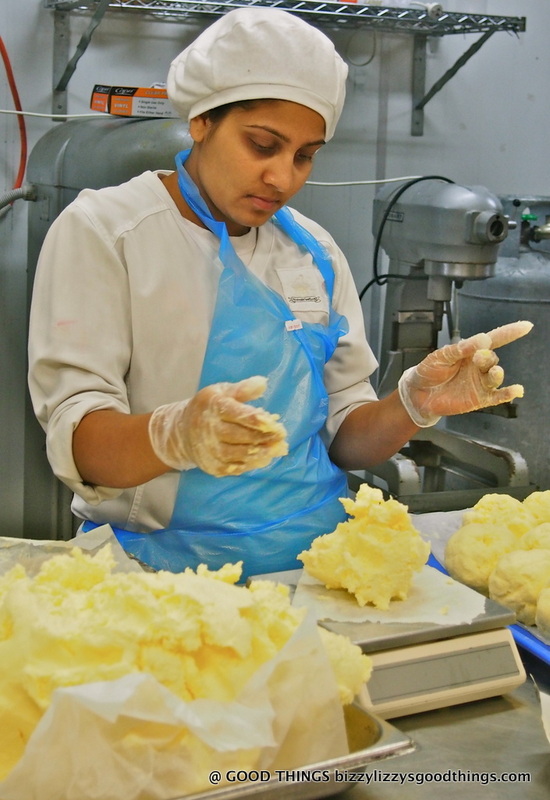
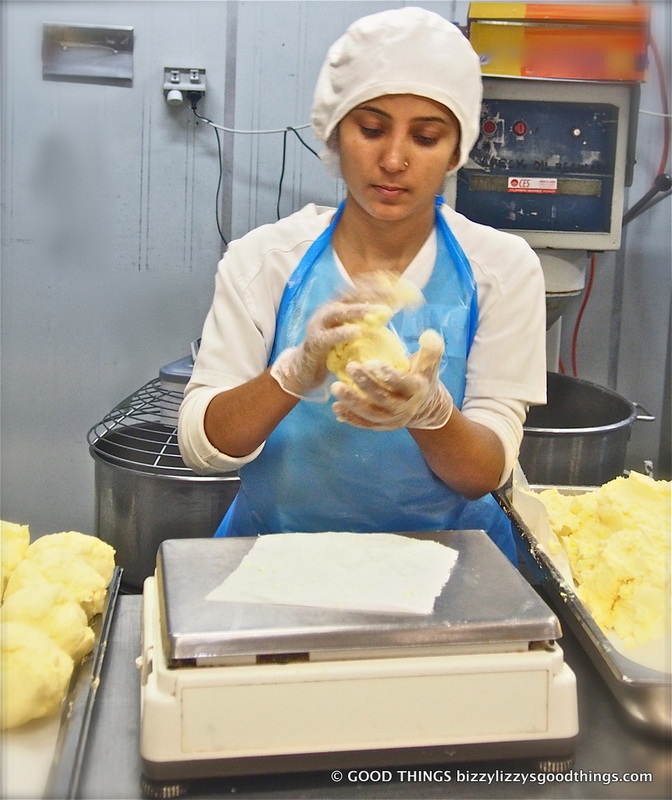
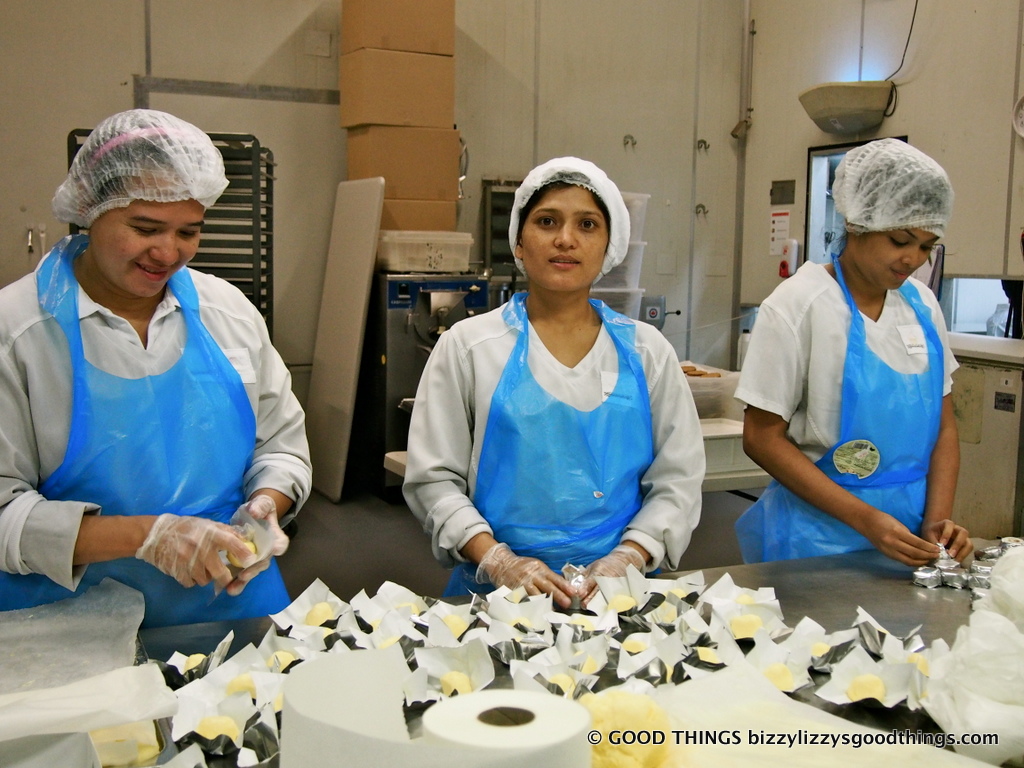
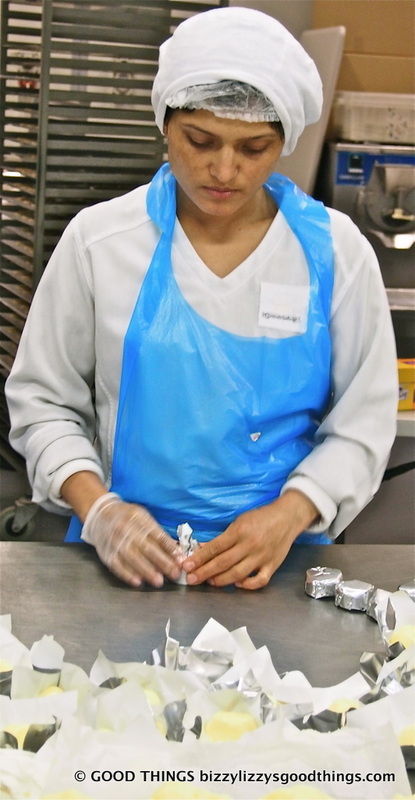
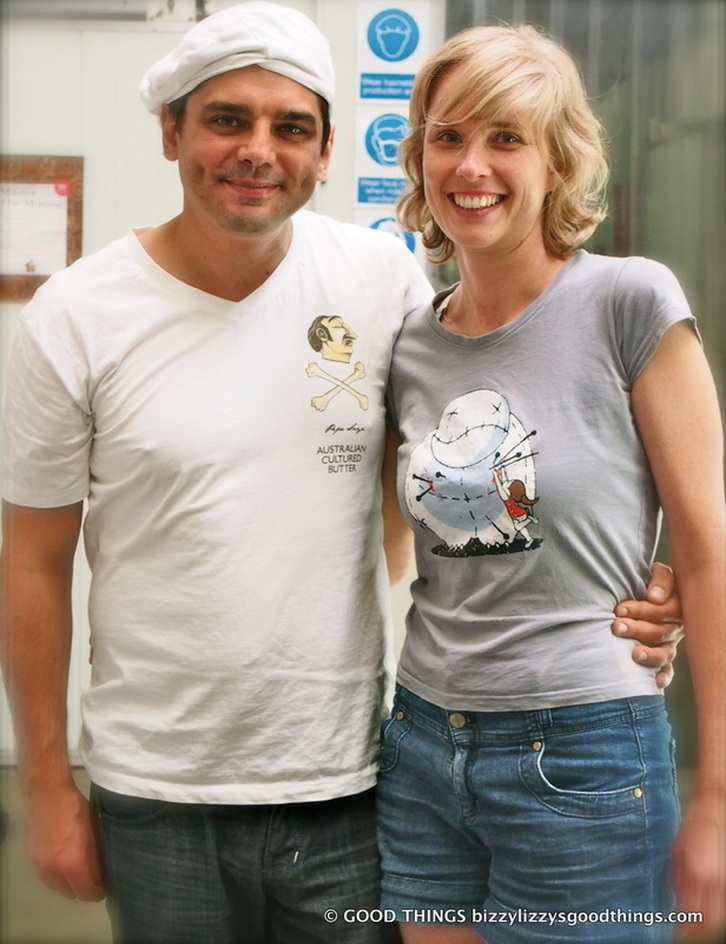
 Pierre Issa a.k.a. Pepe Saya with his beautiful wife and childhood sweetheart, Melissa Attman One of the best things about food, I think, is that it brings like minded people together. I really enjoy spending time in the company of chefs, fellow cooks, farmers and food producers who are clearly passionate about their craft. My friend and colleague, Pepe Saya (the alter ego of Mr Pierre Issa), is one such person. 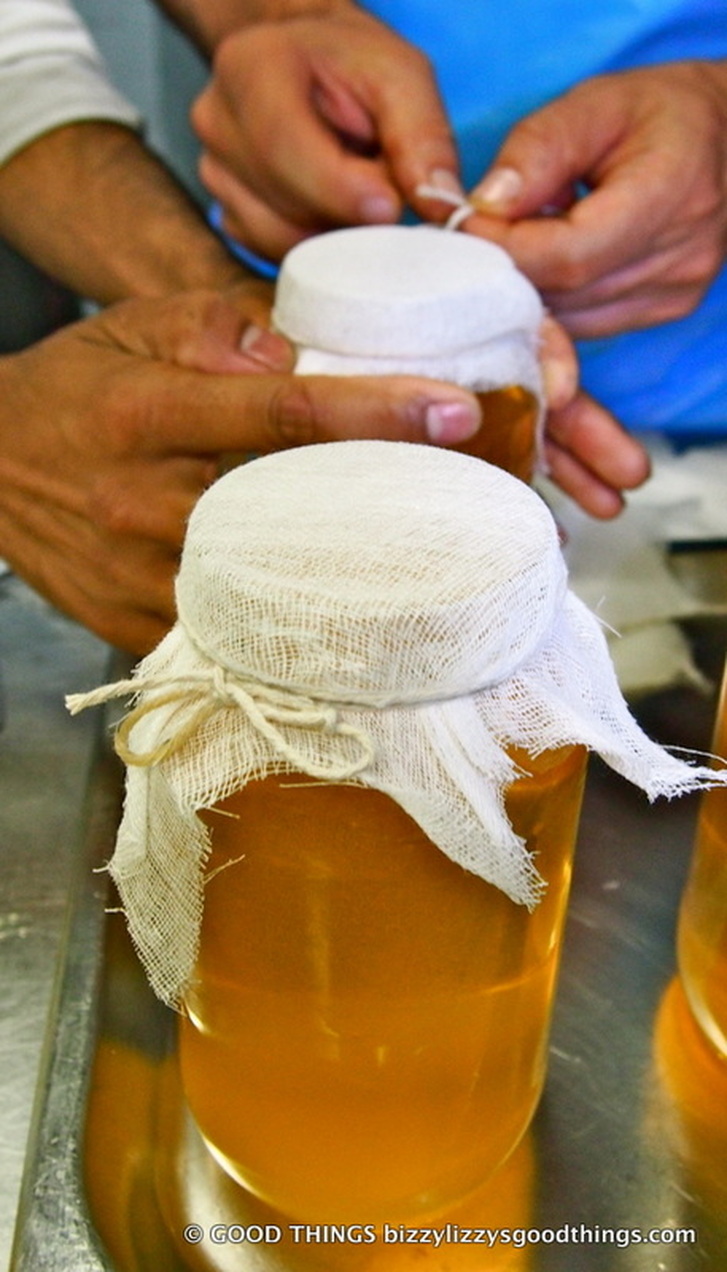 Making ghee with Pepe Saya On our way home from Sydney, Peter and I stopped in at the Tempe factory where we watched Pepe and his team making butter and also ghee or clarified butter. Not just any ghee, mind you... this was made by the butter master himself, Pepe Saya, from his award winning, handcrafted cultured Australian butter. Our visit commenced with a short discussion about ghee, followed by a sensory exercise where we sniffed the aroma of three different ghee varieties. One is a supermarket standard and the smell is ordinary, as in 'meh'. The second is apparently India's finest ghee. There is a curious hint of something almost like kerosine to this one. The third smelled sweet and fresh. To my delight, Pepe said he had made it himself. As with everything that he creates, Pepe has value added to ensure that the end product is of the finest quality. To this end, Pepe tells us he added Herbie's Spices bay leaves, cloves and cardamom to 'cut through the gunk'. It works! Pepe and his 'Ghee Guide' and kitchen manager, Hiren, explain that they have been wanting to make ghee for a long time. Hiren and his fellow workers bring in ghee with chapati and enjoy it during their lunch break. Hiren was born in Gujarad in Western India, and says his grandmother showed him how to make ghee. 'She made it in an enormous pot with a wooden churn,' Hiren told us. 'There are no machines there, it is all done by hand!'. He smiles. After smelling the different ghee types, Pepe says ' Let's make some!'. We go downstairs into the commercial kitchen, where Pepe weighs out eight kilograms of his cultured butter and we set out to make ghee. Enjoy my postcards and morsels from the morning with Pepe and his team. 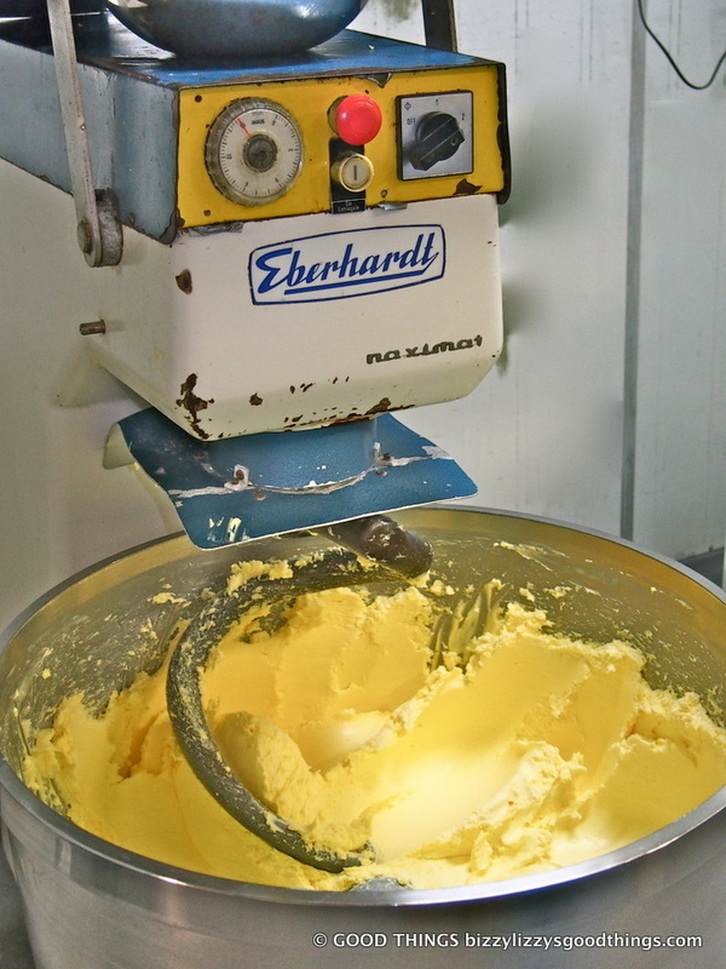 Pepe Saya cultured butter is made with 100% Australian cream fresh from Country Valley Dairy in Picton, NSW 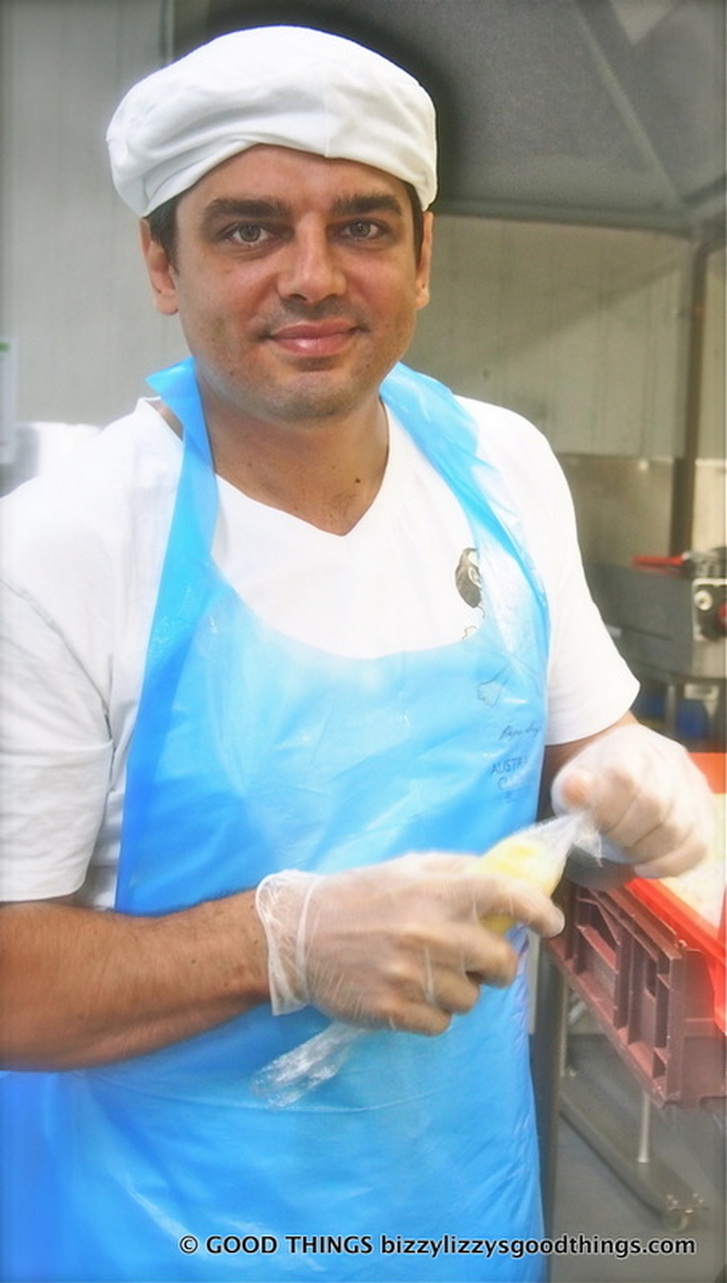 Pepe Saya is the alter-ego of Pierre Issa, Lebanon-born son of a Scots-Australian mother & Lebanese father. His mum designed the caps. 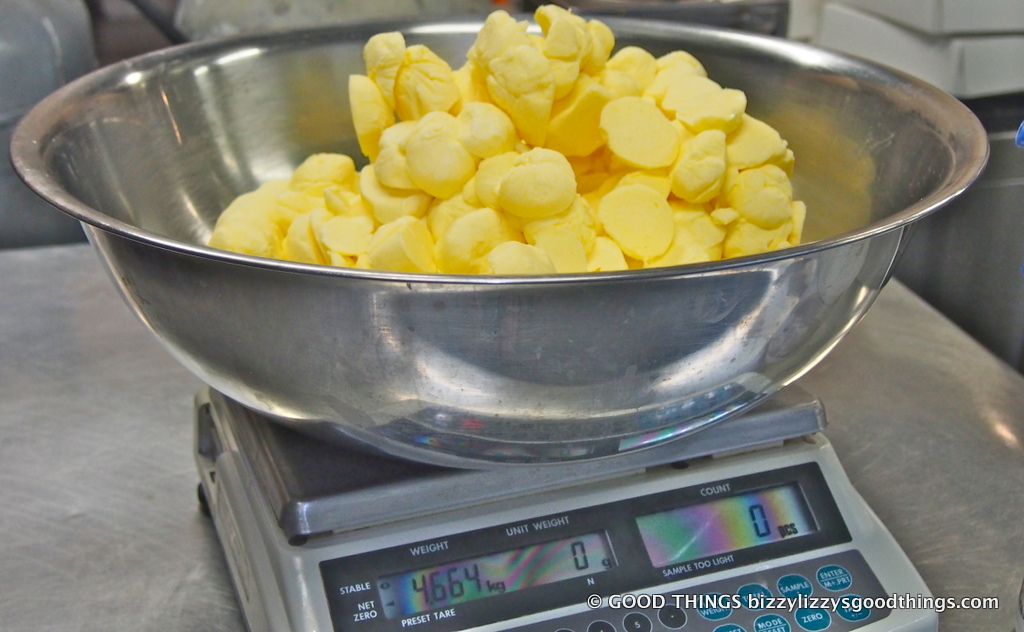 Pepe weighs out 8 kilos of Pepe Saya cultured butter 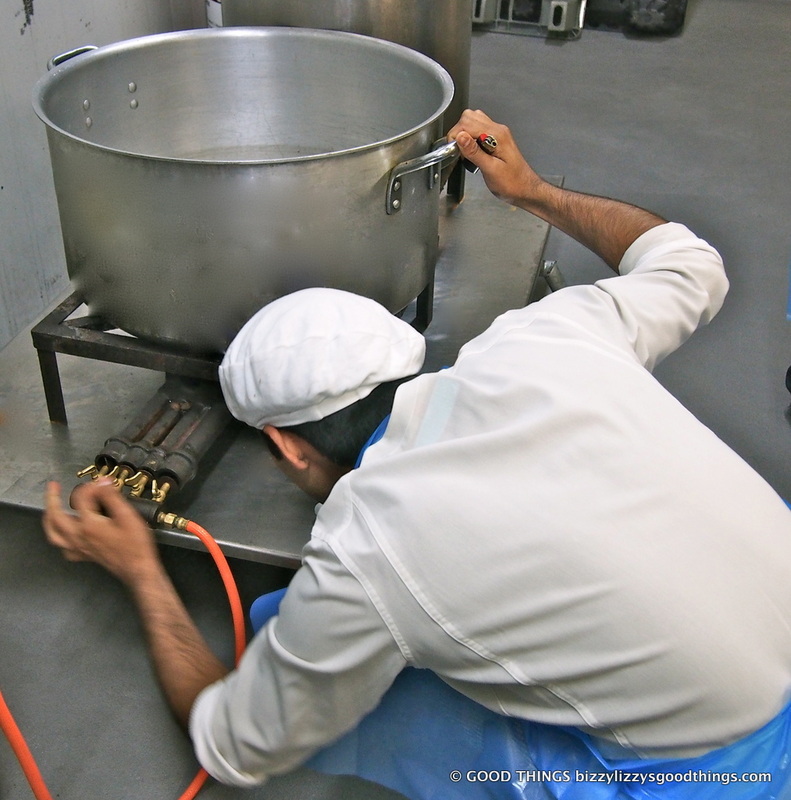 Hiren, Pepe's Indian-born 'Ghee Guide' and kitchen manager, lights the gas burner under this sixty litre pot 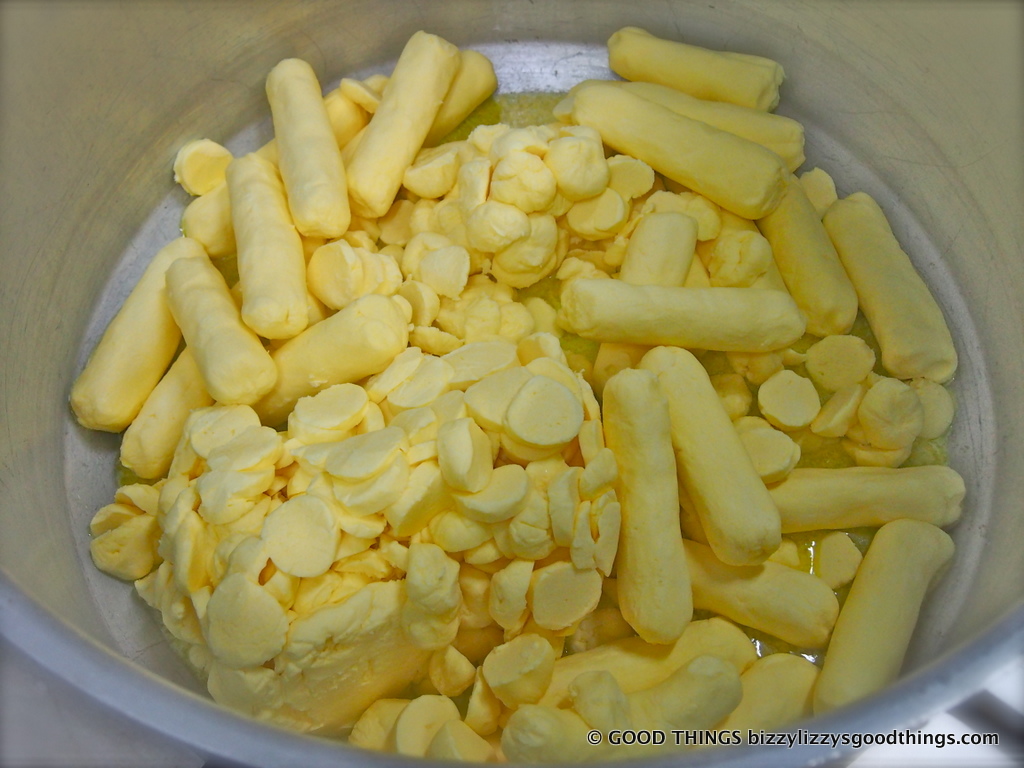 The butter goes into the pot 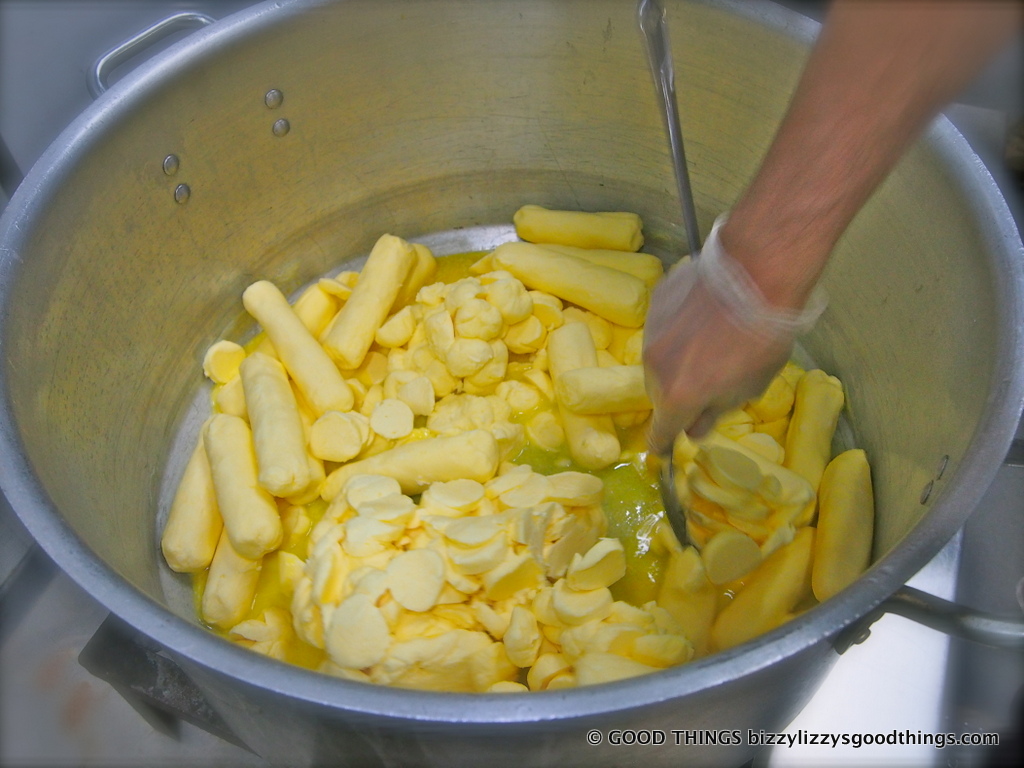 And Pepe stirs the butter as it slowly begins to melt 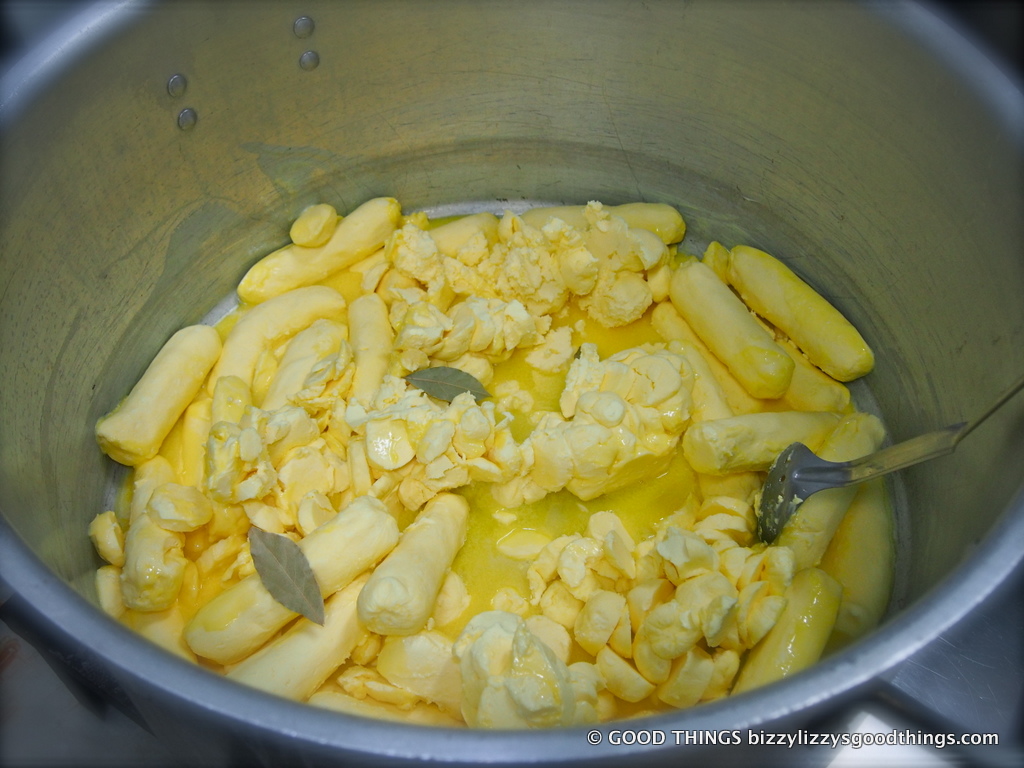 Pepe adds Herbie's Spices bay leaves, cloves and cardamom to the melting butter 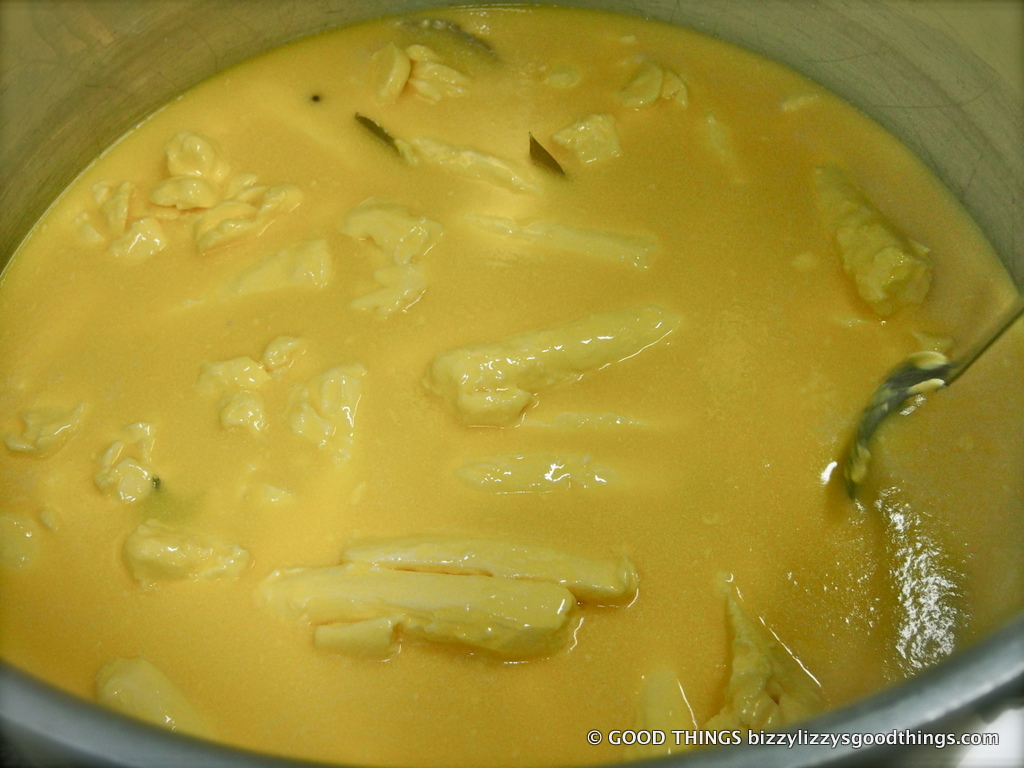 The butter melts gradually over a medium heat 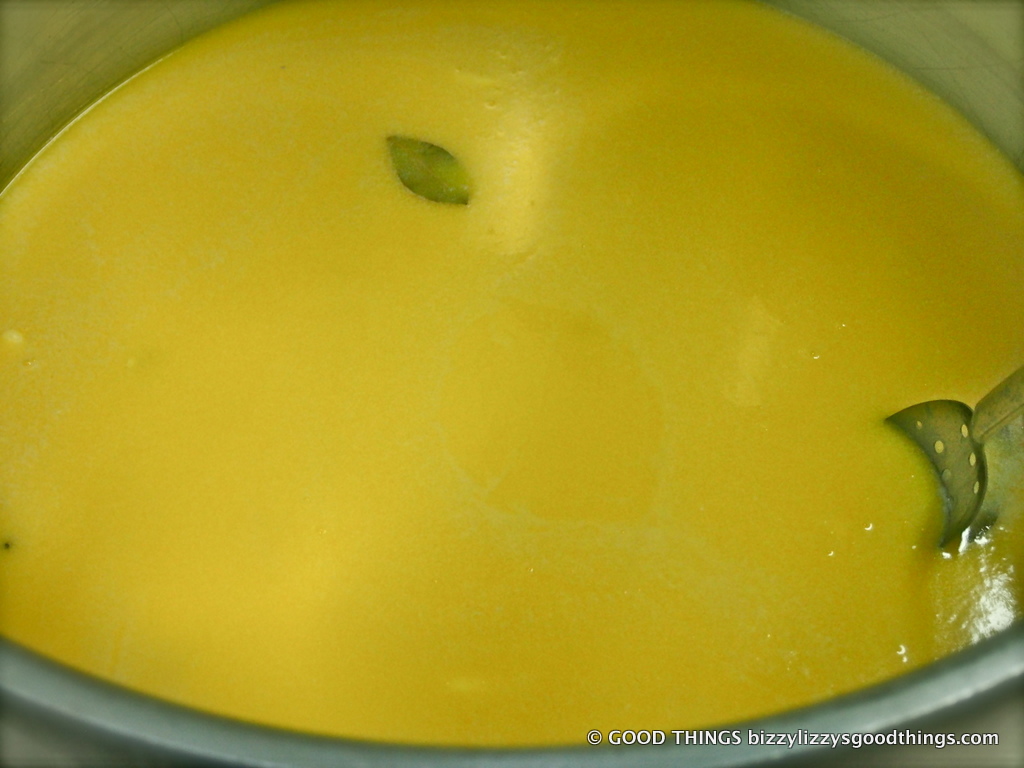 Pepe continues to gently stir the melted butter 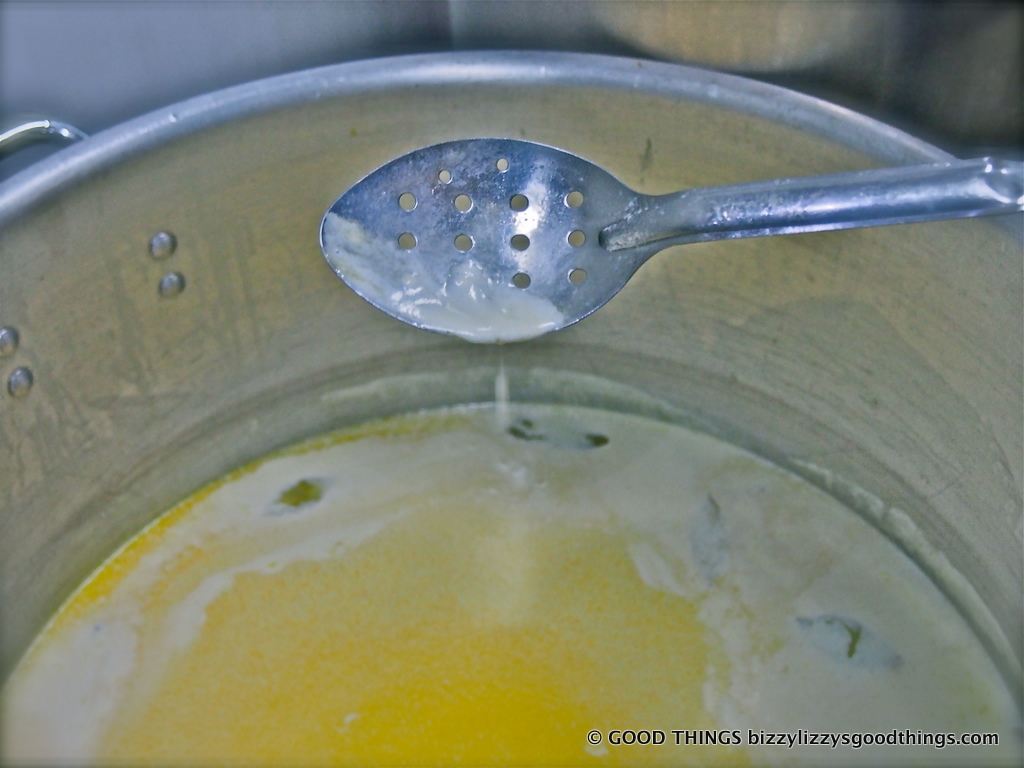 As it all starts to come together, Pepe cranks up the heat a little 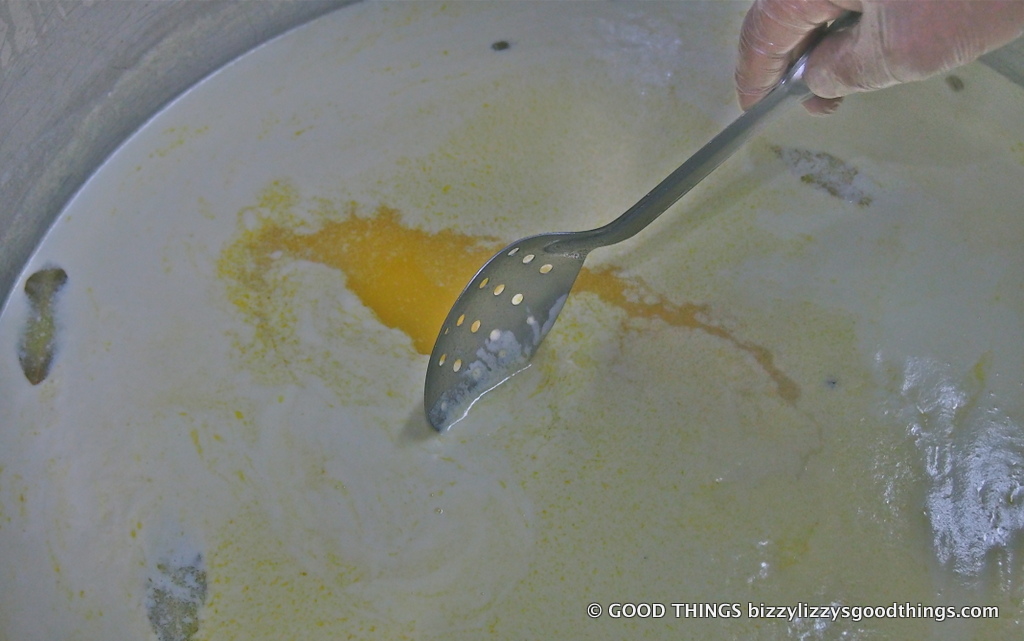 Milk solids start to form on the top 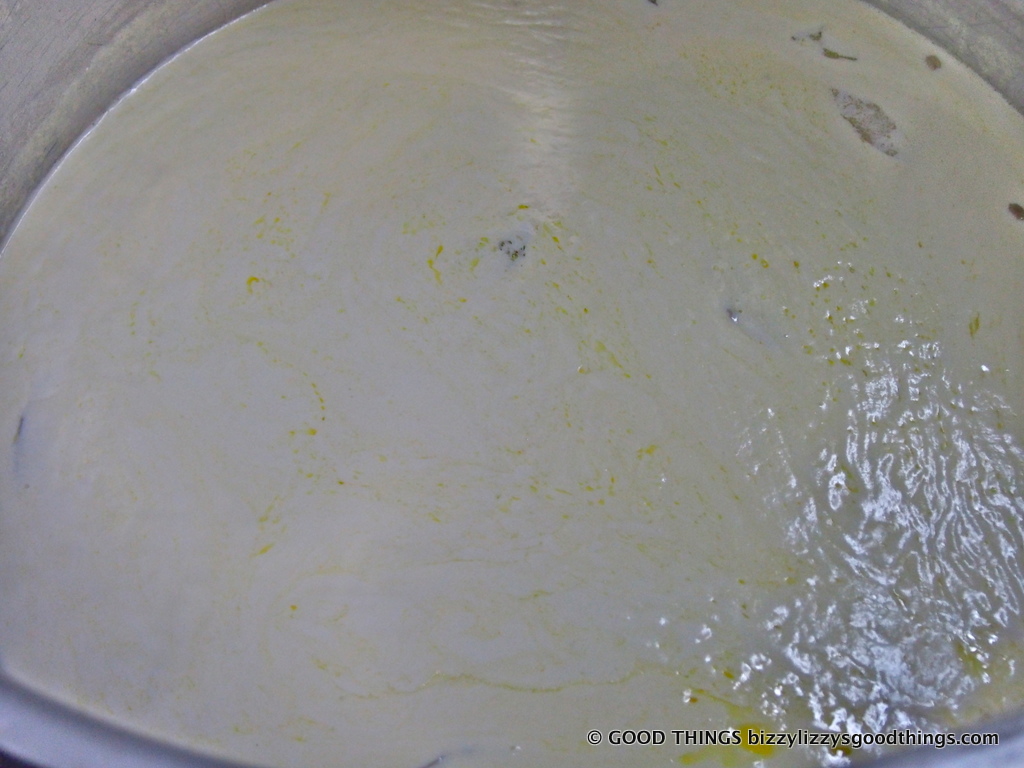 In a short while, there is a thick mass of milk solids, which Pepe describes as being like ricotta 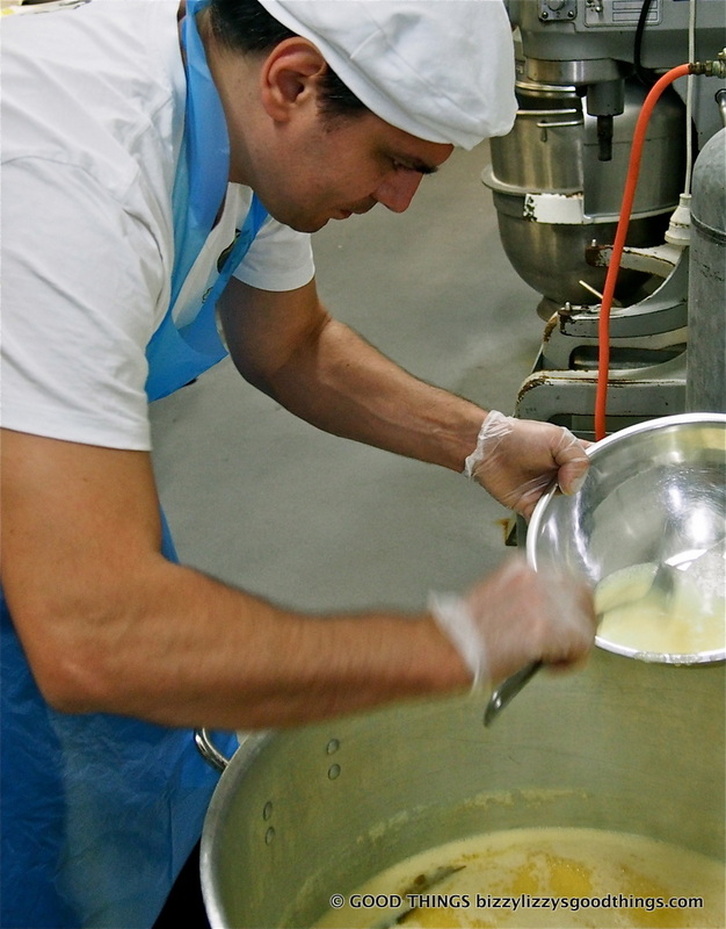 The milk solids start to separate and Pepe starts to skim them away 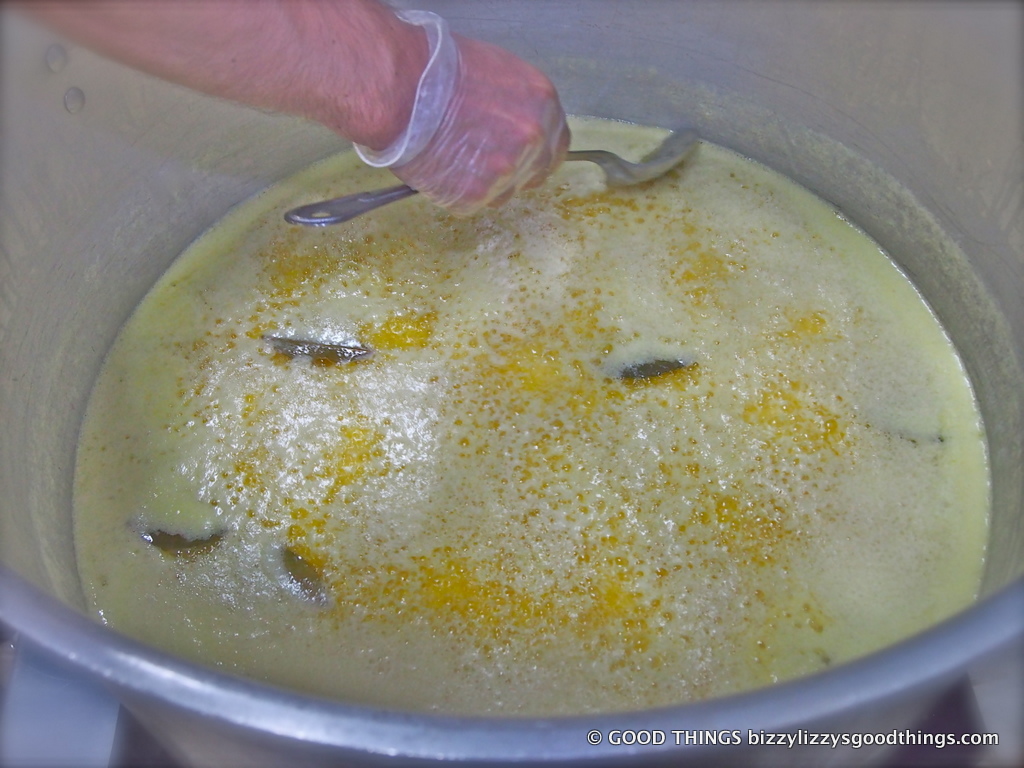 Pepe continues to skim 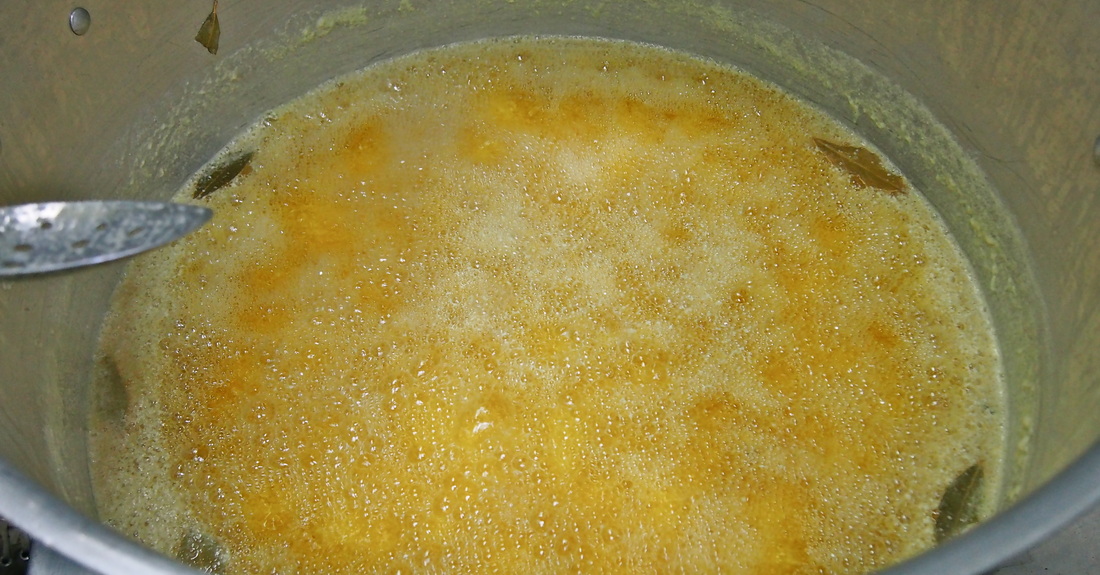 The heat is reduced and the ghee continues to caramelise to a deep golden colour 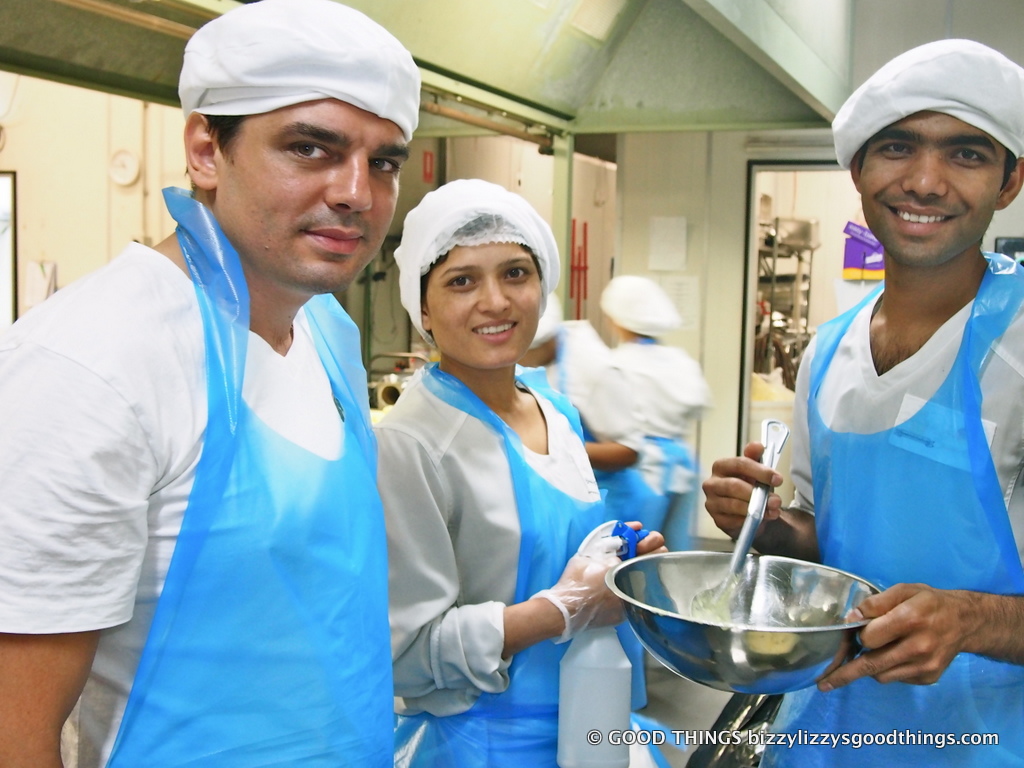 Pepe, Rhida and Hiren discuss the quality of the ghee 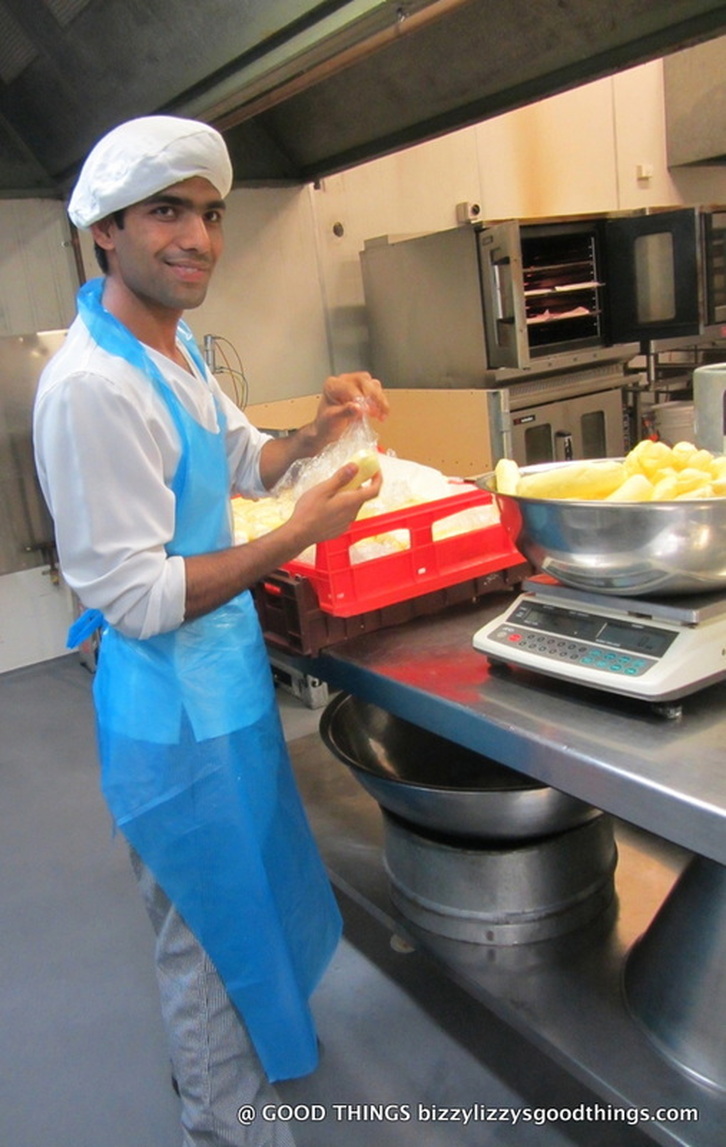 Hiren, kitchen manager and 'Ghee Guide', has worked with Pepe Saya for some four years 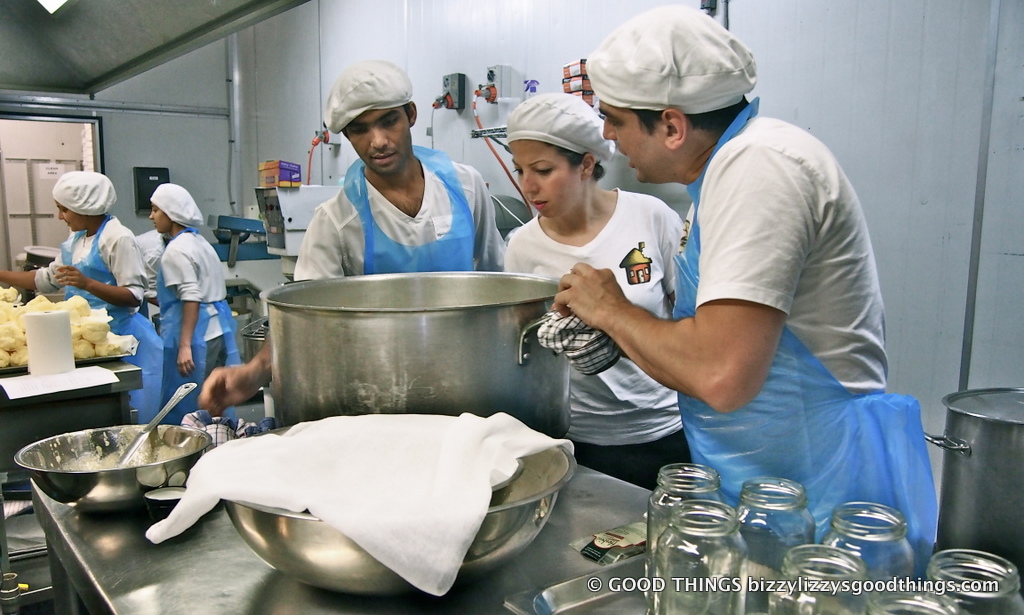 The lovely Merna Taouk, chef from Homemade Fine Foods, looks on in curiosity with Hiren and Pepe 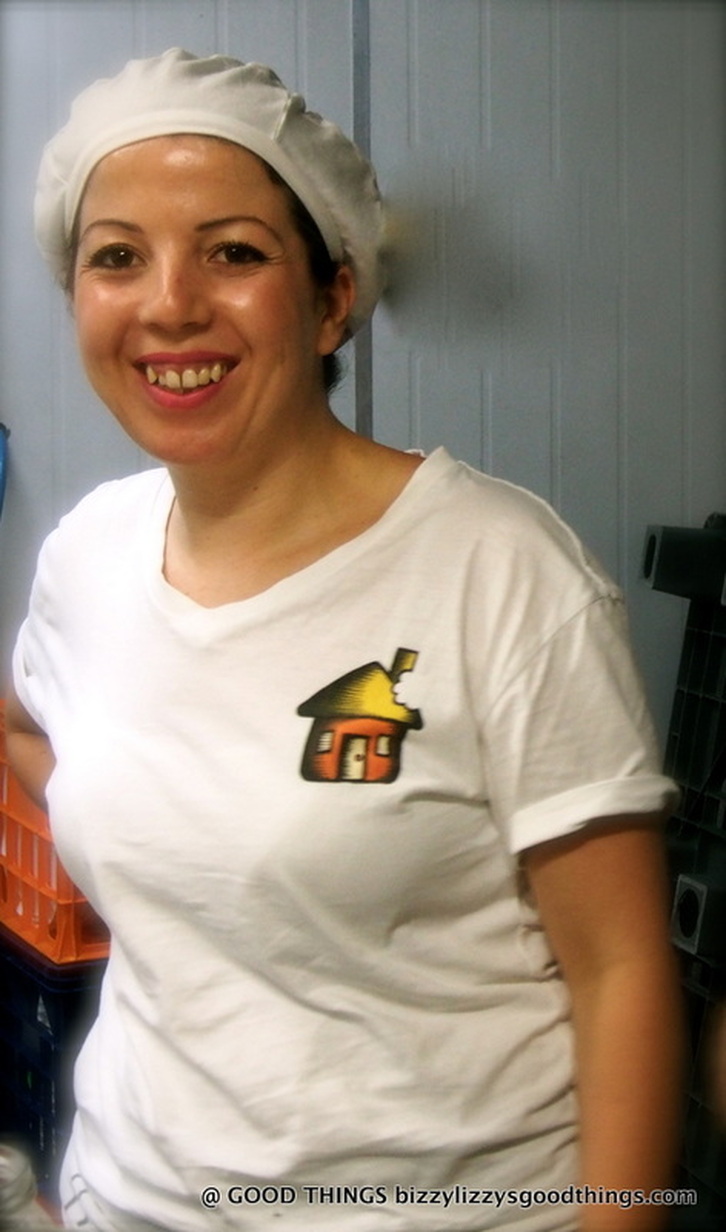 Merna shares a laugh with Peter and myself 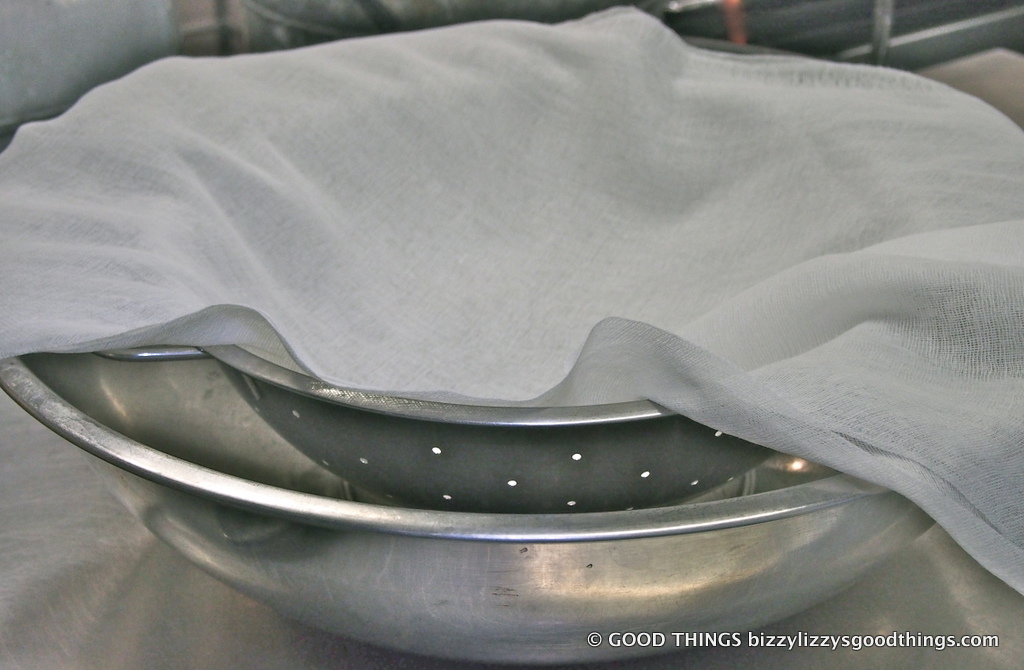 A colander is lined with two or three layers of muslin, which has been boiled then dried 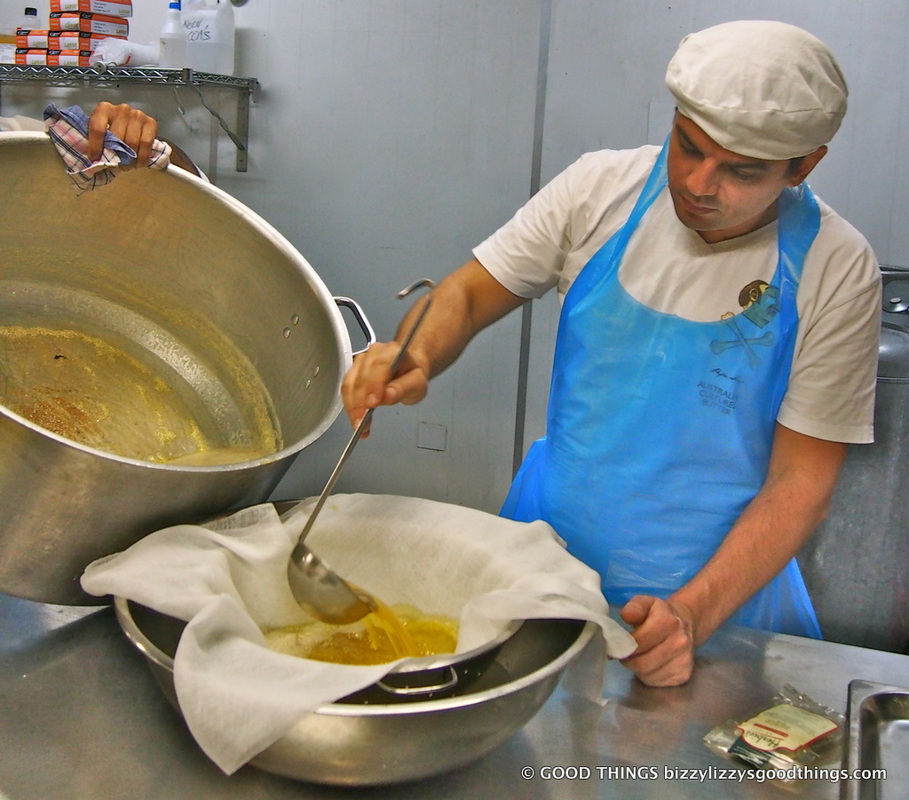 Pepe ladles the ghee into the lined colander 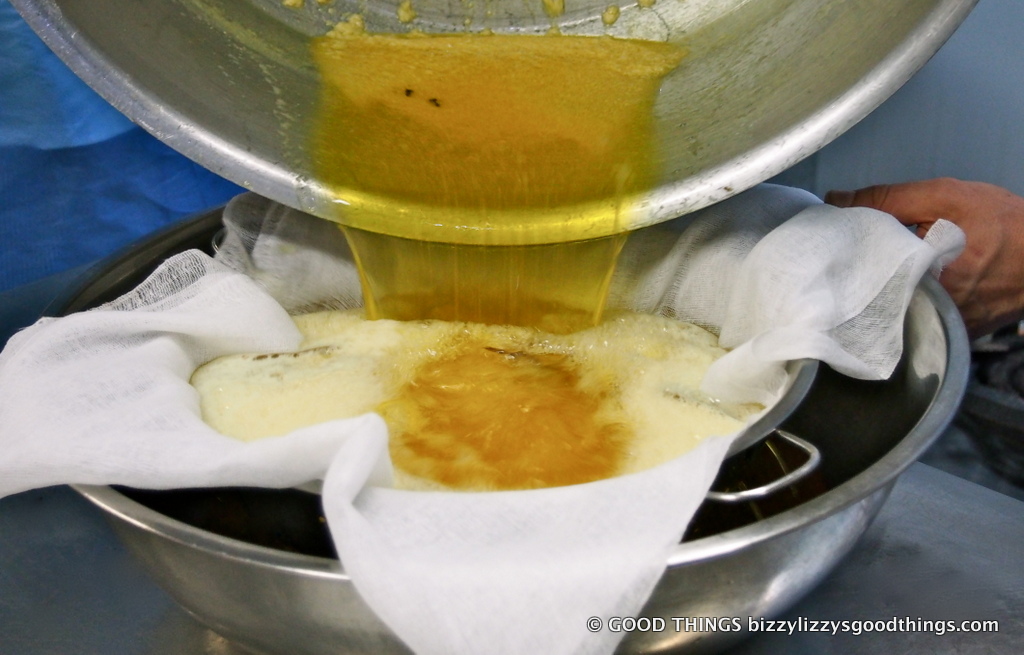 The remaining ghee is poured into the lined colander 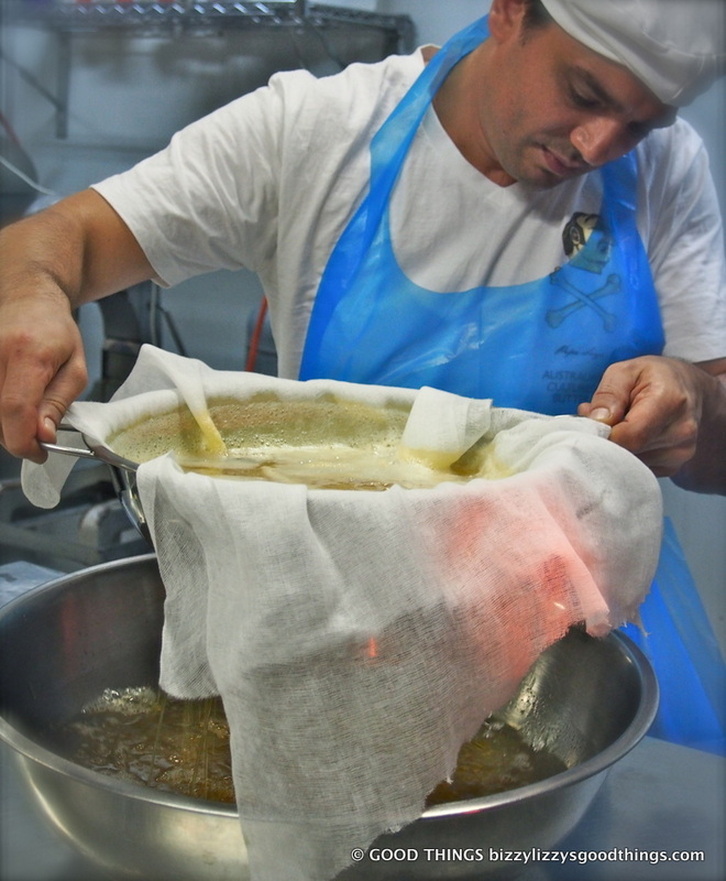 Pepe lifts the colander to allow the ghee to drain through to the stainless steel basin below 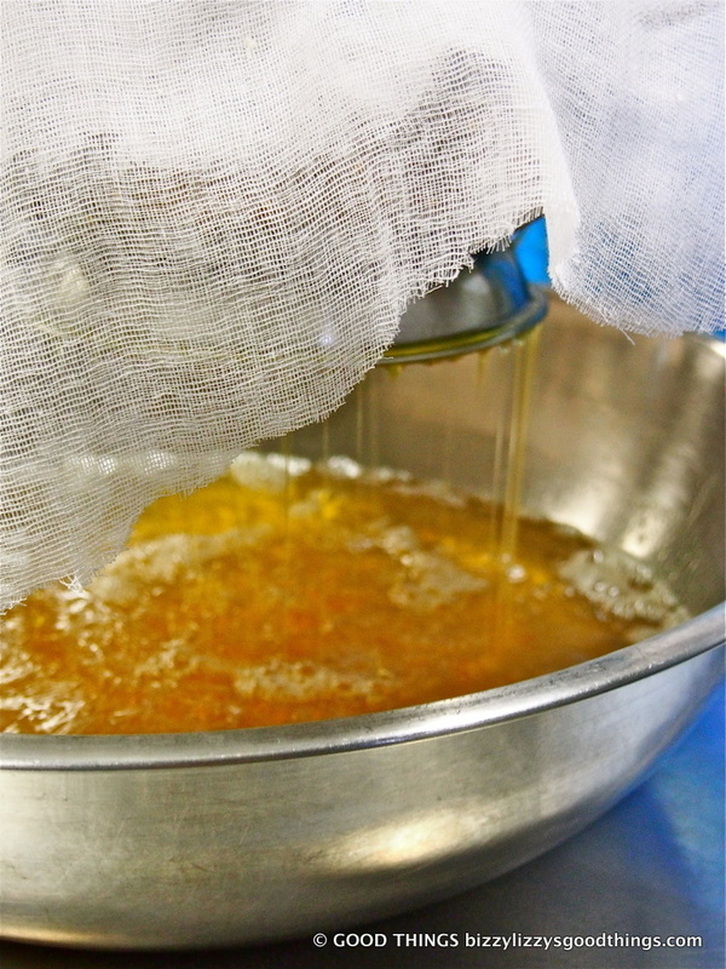 The golden brown ghee trickles through to the basin 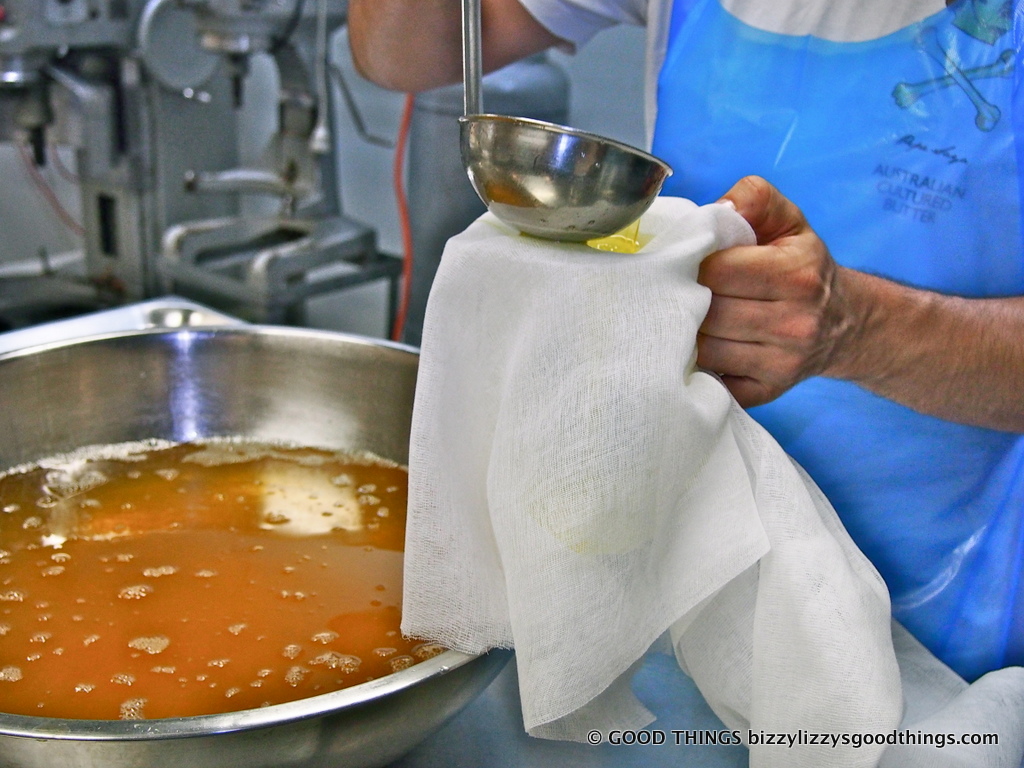 Pepe then pours the ghee into a jug that is double lined with muslin 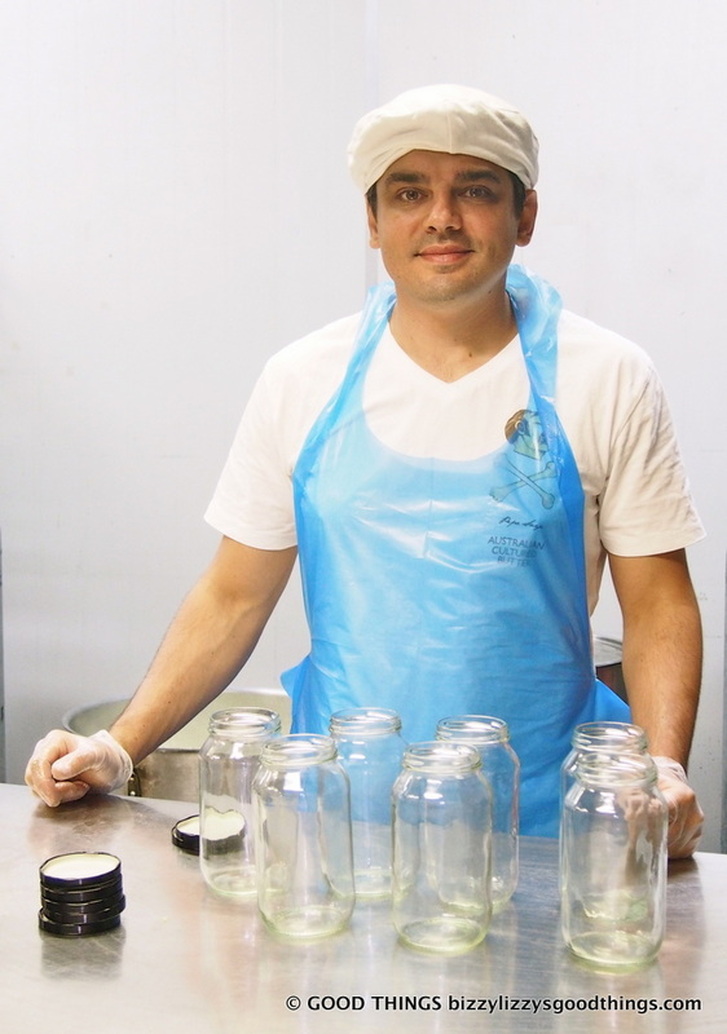 The jars are sterilised and lined up ready for the ghee 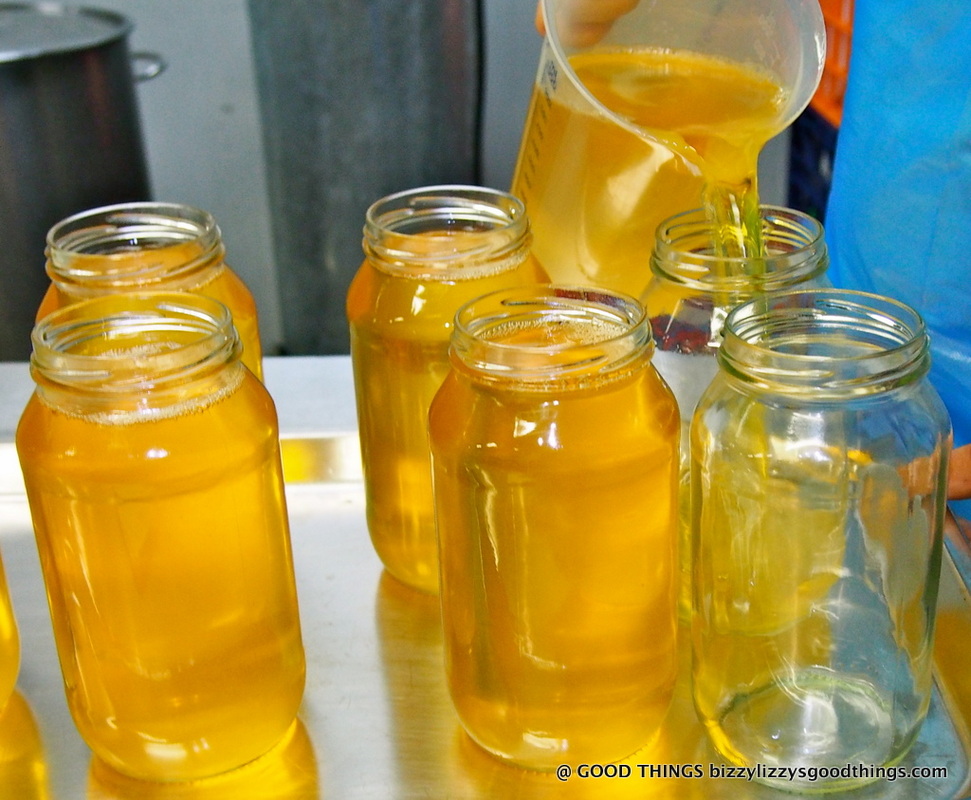 The twice-strained liquid is poured into the sterilised jars 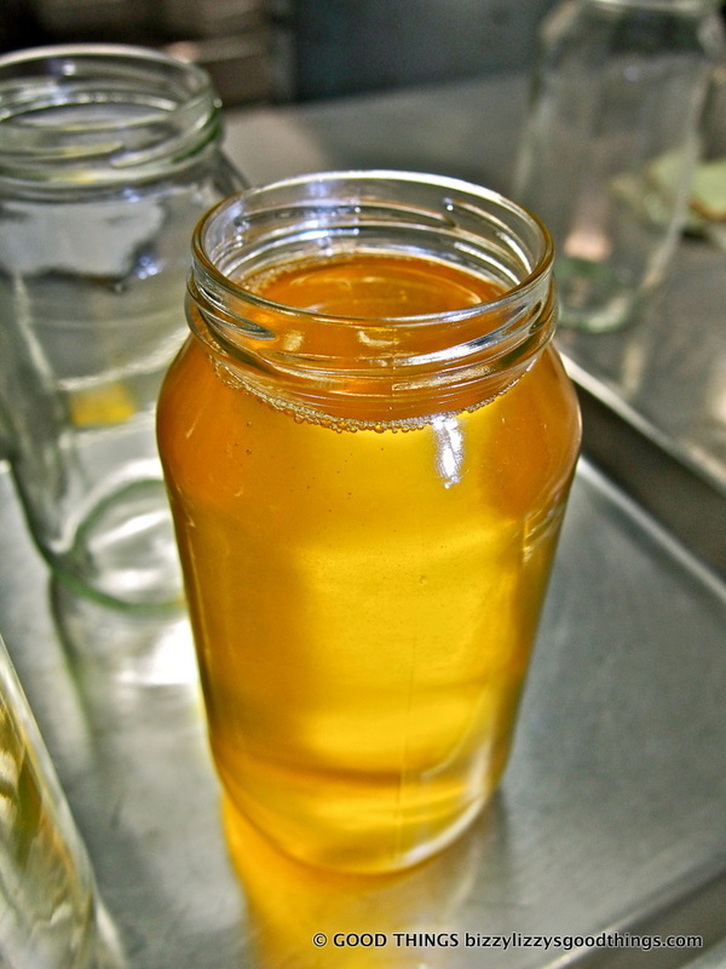 So, there's the ghee, says Pepe. Pepe Saya's ghee has a deep golden colour and sweet flavour and aroma 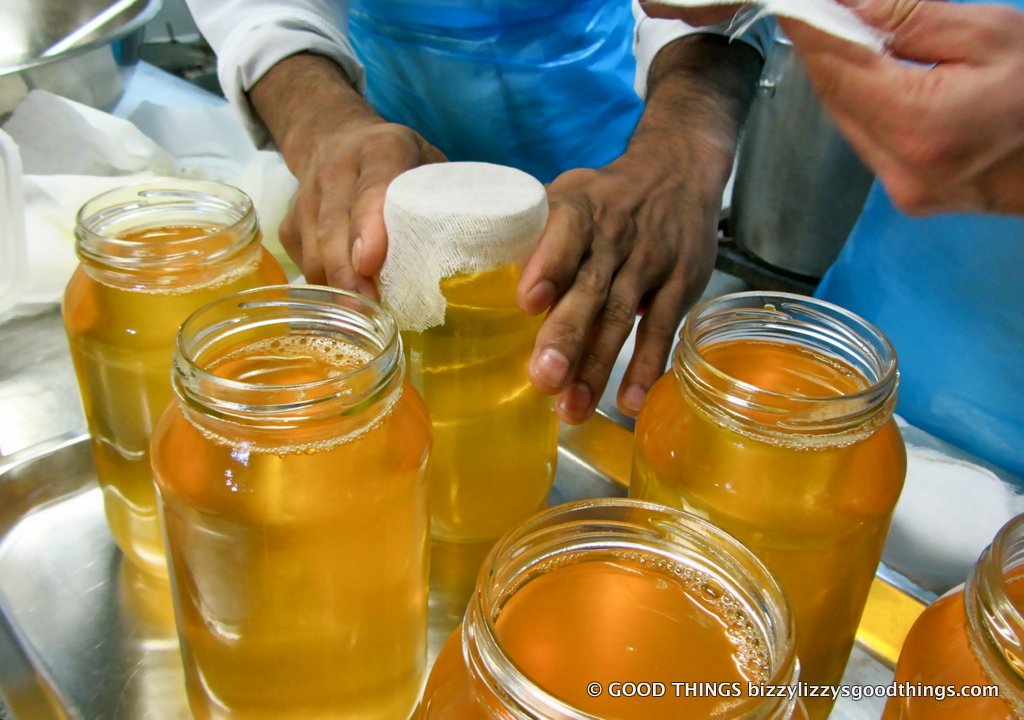 Hiren assists Pepe with placing squares of muslin over the jars 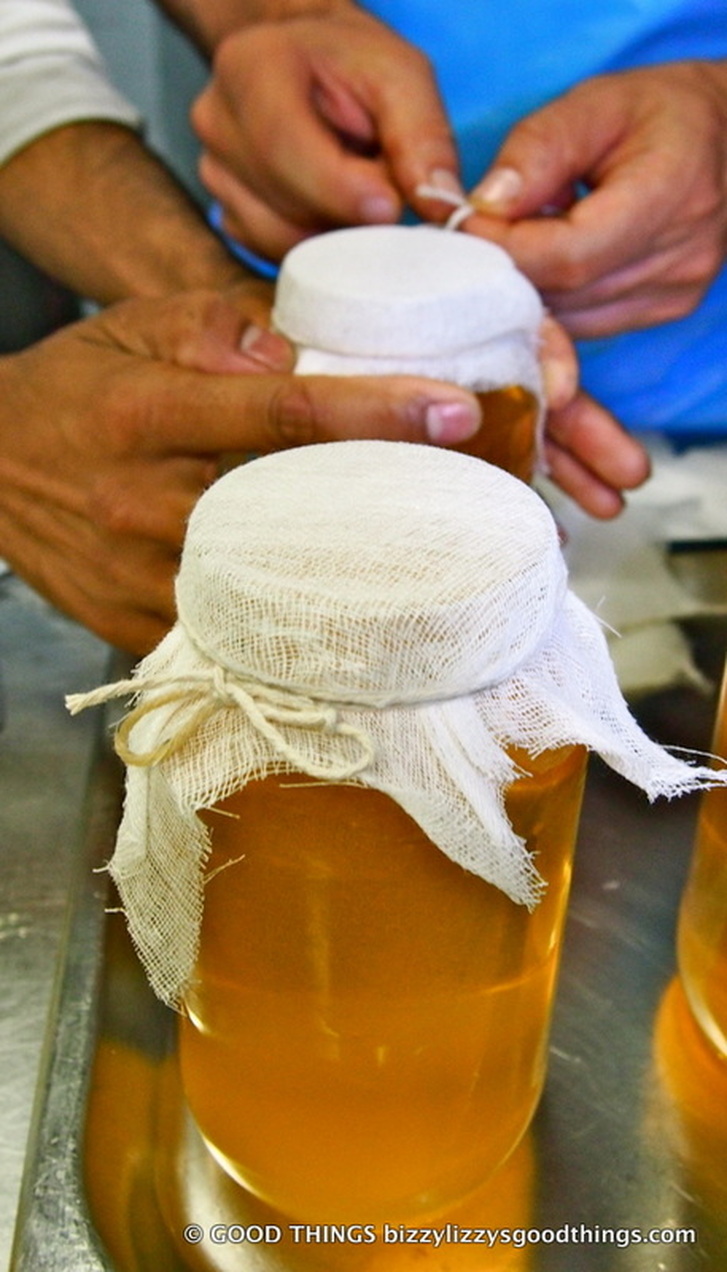 The muslin is secured with string 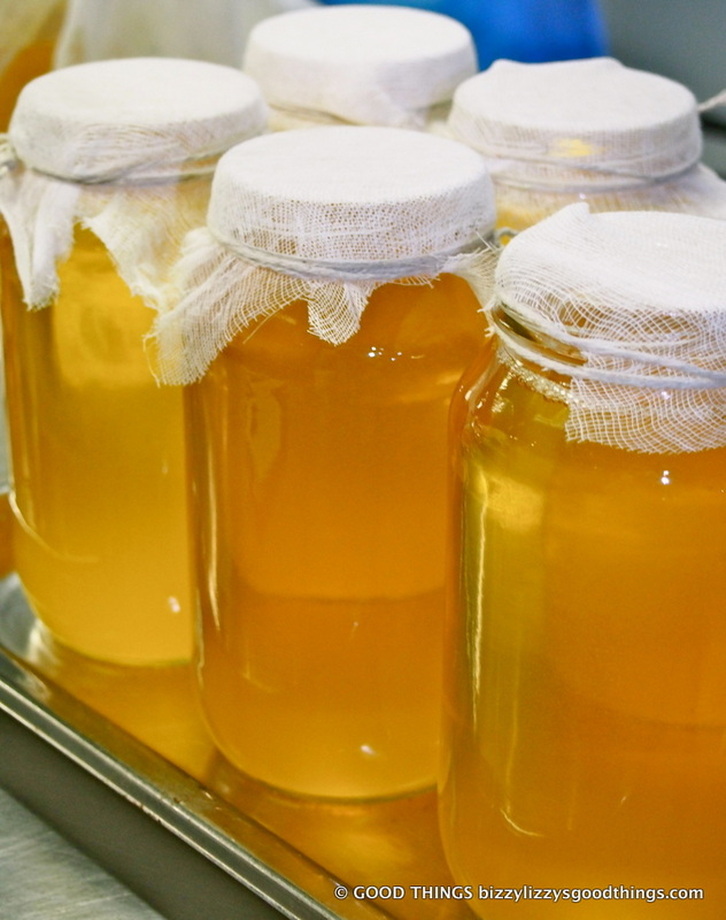 The ghee is allowed to cool, before being sealed with a lid 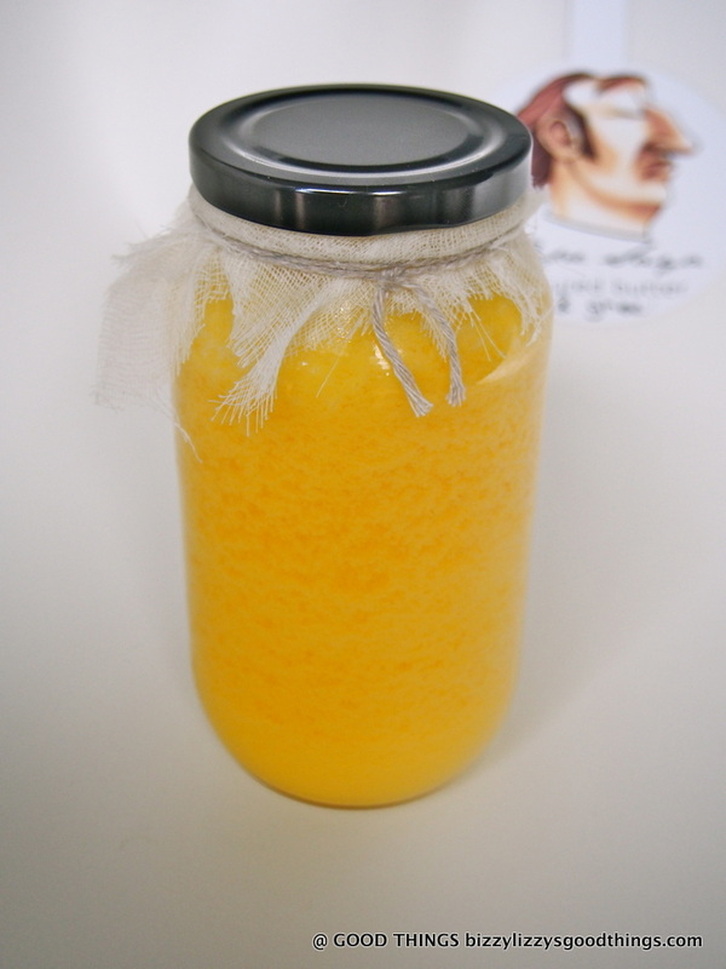 Ghee will keep for months if stored in an airtight container in the refrigerator Pepe made a large batch of ghee using 8 kilos of butter. If you would like to make it at home, Charmaine Solomon recommends using 200-250g of unsalted or cultured butter into a heavy enamelled pan, cutting the butter into pieces first. In her Encyclopedia of Asia Food, Charmaine suggests: 'Melt over a low heat, then simmer for ten minutes or so, during which time it will crackle as moisture is driven off. When it stops crackling, the thin crust on the surface may be lifted off. The ghee should then be stirred and the cooking continued until the solids on the bottom of the pan have turned nut brown. Let it cool sufficiently to handle, then pour the clarified butter off into a lidded jar. Ghee prepared this way will keep for months under refrigeration'. Interestingly, Charmaine also notes that in India most people use a much cheaper vegetable ghee called vanaspati, which is made from saturated vegetable oils that have been hydrogenated. Like all fats, ghee is high in kilojoules/calories and will add to your waistline. With this in mind, here's a note about ghee from my friend and colleague, Catherine Saxelby, Australia's leading nutritionist: 'Ghee is made from unsalted butter heated to separate and remove the milk solids. It is used in traditional Indian cuisine, and for shallow-frying, roasting potatoes and pan-frying meat without burning. It has a very high smoke point, so doesn’t burn or smoke easily during pan-frying and deep-frying. It has a nutty flavour, contains vitamins A and D, and keeps for longer than butter. But it’s very high in saturated fat – 66%. A little goes a long way. Just for comparison, canola has less than 10% saturated fat, olive oil around 15%, butter 53%, and margarines 20%. Therefore, use ghee sparingly as it’s more concentrated in fat than butter. A little is fine for adding a traditional flavour and Indian cooking at high heat and so on. But don’t deep fry in it. And do use Pepe Saya’s great new product, as it sounds like a cut above anything else!' Indeed it is, Catherine. Personally, I have not been all that fond of ghee over the years. It was used in my former cooking school by a couple of well known visiting chefs who deep fried everything in it. One chef deep fried gulab jamun in ghee for well over half an hour. By the end of the day, the air in the room was thick with the rank aroma of the stuff... so much so that it almost seemed to be dripping from the ceiling. Not the case with Pepe Saya's ghee. It is quite divine. Again, as with all good things, enjoy it sparingly. Pepe Saya is making ghee weekly or on demand. If you are interested, please contact Pepe by email or telephone call to 61 2 9559 1113. About Pepe Saya cultured butter...Pepe Saya handcrafted cultured butter is made from 100% Australian cream, fresh from a local farm (John Fairley's Country Valley Dairy in Picton), delivered straight to the doors of the Pepe Saya factory at Tempe. The cream is cultured over a two-week period, churned and then shaped by the hardworking and loving hands of Pepe Saya's passionate team: Elena, Rhida, Hiren, Pabu and Maria. 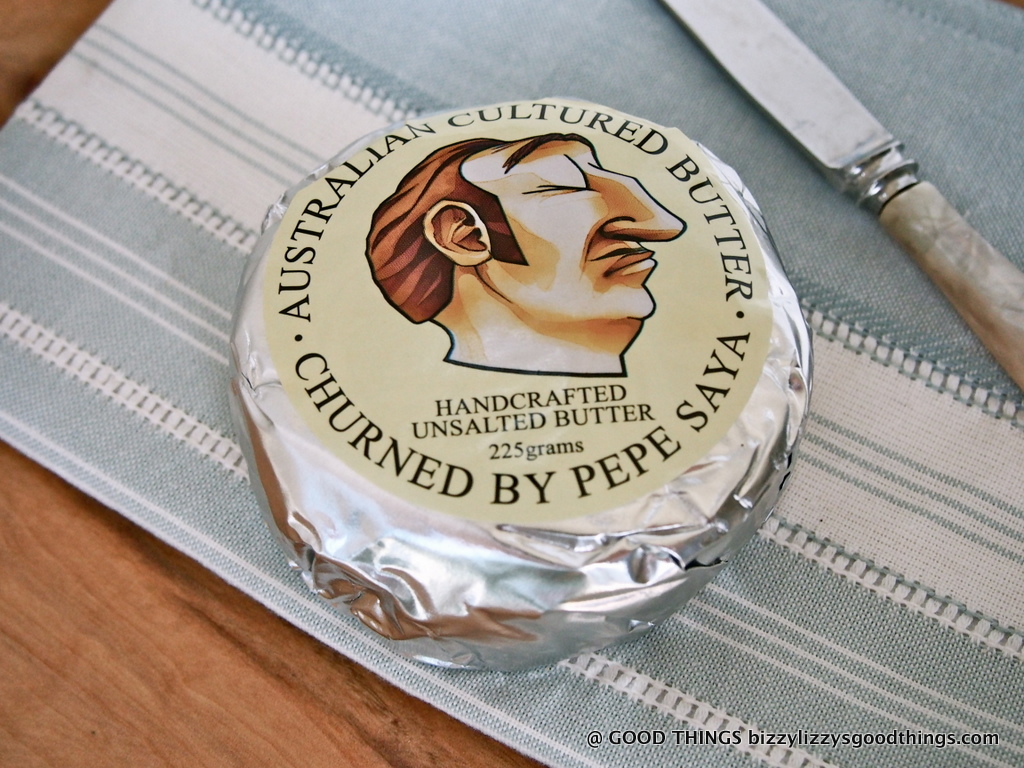 Pepe Saya handcrafted cultured butter, made in Australia by Pierre Issa Have you ever made ghee? Tell me how you use it in your cooking. Do you enjoy Pepe Saya's cultured butter?
7/1/2013 06:29:09 pm
Dear Lizzy,
Lizzy
7/1/2013 06:37:41 pm
Hello Chopinand... ah, Roti Canai, delicious! We ate some from Jackie M when we were in Sydney and it was worth waiting a year!!! The white milk solids are discarded. And isn't the colour just beautiful!!!
Ally
7/1/2013 07:53:14 pm
I straight away imagined the beautiful ricotta that could be made from those milks solids! 7/1/2013 07:21:22 pm
Looks like an amazing (and fattening) product. I bet it tastes amazing.
Lizzy
7/1/2013 07:42:52 pm
Hello Mel.... yes, yes and yes! ; )
Hiren
7/1/2013 07:30:19 pm
Dear Lizzy,
Lizzy
7/1/2013 07:43:21 pm
Dear Hiren, it was such an honour to meet you and see you work! You are a star! Thank you.
Ally
7/1/2013 07:48:03 pm
It's nice to see Pepe making so many different products now, including here making ghee. I first got in contact with Pepe regarding bulk butter, for making ghee! I've been using Pepe's butter in all sorts of recipies including my various pastries. It's great to be able to get such a passionately made, artisan product like Pierre's cultured butter, locally.
Lizzy
7/1/2013 08:24:04 pm
Hello Ally, how wonderful! Tell me, do you make ricotta with the milk solids? I'm curious.
Lizzy
7/1/2013 08:23:14 pm
Thanks Pepe... if I can get a vimeo up there, I will... just not quite sure on the editing yet. Thanks again to you and the entire team for an awesome adventure. And hello Mel! What a doll! See you in Canberra my friend.
Fouad Kassab (via FB)
7/1/2013 09:47:08 pm
Mine... all mine. And excuse me Lizzy, but I'll take any saturated fat you don't want, gladly. And I won't be using anything sparingly... hehehehe.
Lizzy
7/1/2013 09:48:16 pm
Ha! All but ONE jar, sir.... he he he. Do tell, what will you be cooking with yours? 7/1/2013 10:47:30 pm
What a fun day it would be to get a peek at how they make their ghee. Its such a beautiful colour - reminds me of honey :)
Lizzy
9/1/2013 11:40:56 am
It was fun, Christine. Pepe is one of my food heroes and a friend so it was doubly good!
Lizzy
9/1/2013 11:41:57 am
Thanks Celia, so glad you enjoyed it! Oh, I wish I had known you live nearby. We might have had time for a coffee! ; D
Lizzy
20/1/2013 02:30:04 am
Celia, thank you for the follow up post and shout out for Pepe, Hiren and myself. ; )
Lizzy
9/1/2013 11:42:36 am
Hi Melissa... sounds yummy! I hope you will try Pepe's products. 8/1/2013 08:42:25 am
I've never used ghee with spice in it before, but I can imagine that if would 'lighten' and freshen the taste up beautifully. I use ghee sparingly and more for authenticity of taste, otherwise I use olive our rice Bran oil for everyday :)
Lizzy
9/1/2013 11:43:32 am
It does, Bec... much sweeter, fresher aroma and flavour. It's good to use it sparingly and just for the authenticity of taste. 8/1/2013 09:21:33 am
Hey Liz. Great new post with great pics. I didn't know that much about ow ghee was made so this was my first close-up look at the whole process. Thank you HIren, Pepe and Melissa. A handy summary of a niche ingredient. And had no idea how handsome Pepe is in his white cap!!
Lizzy
9/1/2013 11:44:31 am
Catherine, thank you for your kind words and also for the guidance on ghee.... important methinks... all good things in moderation! Yes, Pepe is handsome, and isn't Melissa so lovely!
Lizzy
9/1/2013 11:45:33 am
LOL, thank you Maureen, you are a sweetie! Perhaps Pepe can send by post to you... or make your own via the recipe and pics provided! 8/1/2013 11:18:34 am
How fascinating Lizzy, I enjoyed the ghee journey through your beautiful photos. I have not cooked with ghee before. Yes, I do love Pepe Saya's butter although my closest supplier is hours away!
Lizzy
9/1/2013 11:46:30 am
Hello Jane! So glad that you enjoyed my postcards and morsels! I was wondering, do you make your own butter?
Lizzy
9/1/2013 11:47:29 am
Glenda, thanks so much! It was a great experience... I'm so delighted that Pepe is a friend. 9/1/2013 11:08:37 am
I love what Pepe is doing - such a great product! This ghee sounds fab and your pics are just wonderful!
Lizzy
9/1/2013 11:48:43 am
JJ, thank you! Pepe is certainly a master at his craft, isn't he!
Peter
9/1/2013 11:50:17 am
Just a note from me to say how much Lizzy and I enjoyed the visit to Pepe Saya's factory. Seeing the ghee being made (and the butter being hand prepared) was a great experience. Love your work Pepe, Merna and the team!!!
Lizzy
11/1/2013 04:17:50 pm
We did have a great morning, didn't we Petey! xox 9/1/2013 12:19:31 pm
Pierre is wonderful! I first met him when he ran Home made Fine Foods and he was so welcoming then. I'm so glad to see that he has had such success with Pepe Saya butter!
Lizzy
11/1/2013 04:17:30 pm
Hi Lorraine, Pepe is a wonderful person and so dedicated to producing quality food! 17/1/2013 04:34:49 pm
Looks fab, I must try atrack down some of this ghee. There has been some recent rethinking of the benefits of eating ghee (and extra virgin coconut oil) and I have been increasing my use of boththese - and reducing the olive oil. Worth researching.
Lizzy
19/1/2013 02:25:10 pm
Thank you for stopping by. Use both in moderation is my recommendation. Whereabouts are you?
Sarah
7/3/2013 05:26:25 pm
I love this stuff, its in my fridge at the moment. i use ghee quite a bit! Saturated fat is not the demon we used to think it was. ghee is also extremely stable at high temps which mean less nasties that can creep into your oil when it starts the process of oxidation.
Joanna
26/12/2014 11:03:06 am
I LOVE Pepe Saya ghee... This was so interesting to see how it's made. I use it for so many things, including the most gorgeous ice cream. Comments are closed.
|
Welcome...Üdvözölöm
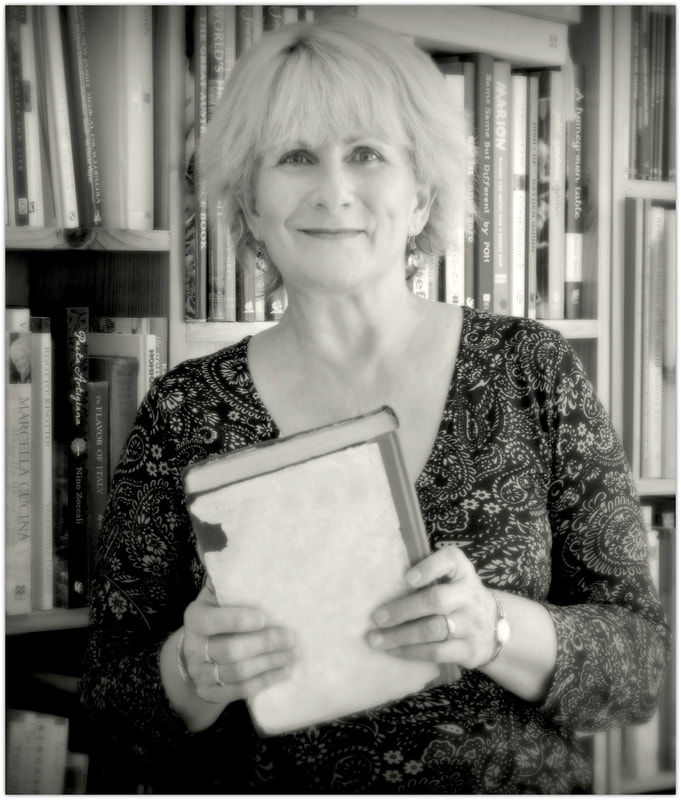
Cooking and writing have been a lifelong passion. Join me as I share with you my favourite recipes; postcards and morsels from my travels; conversations with cookery writers and chefs; and news on food, cookbooks and cooking. - Liz Posmyk
All
NB: I use Australian standard measuring cups and spoons in my recipes.

Winner ABC's 2015 Australia Cooks competition,
ACT (mains category)



Meet the Chefs - recipes featured on Australian Asparagus Council website
|